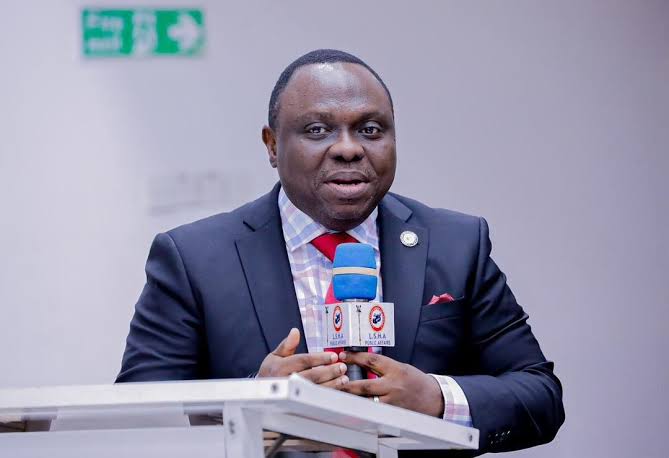
Lagos State is signaling a major shift in how it plans to solve its electricity shortfall. With demand estimated at roughly 12,000 megawatts, the government says current supply from the national grid falls well short of what Africa's largest city needs to power homes, factories, and businesses. At the Lagos Energy Summit 2026, the state's Commissioner for Energy and Mineral Resources, Biodun Ogunleye, made the case for private capital to help build generation and distribution capacity. The message is clear: Lagos wants partners, not just policy, to close its energy gap.
What Happened
Speaking at the Lagos Energy Summit 2026, Commissioner Biodun Ogunleye revealed that Lagos requires approximately 12,000 megawatts of electricity, while supply from the national grid remains significantly below that level. The state is actively seeking private investment in embedded generation, off-grid systems, and distribution infrastructure to improve reliability for households and businesses.
Ogunleye referenced the Beyond Gensets study, which points to strong commercial opportunities in Lagos's existing off-grid generation market. He also presented a Seven-Point Energy Agenda covering regulatory cooperation between federal and state bodies, market sustainability, wheeling and off-grid frameworks, embedded power, distribution and metering, subnational regulation, and technology.
The state emphasized that its plans are not intended to disconnect Lagos from the national grid. Instead, the goal is to strengthen local networks and diversify where power comes from.
Separately, the government has set a target to raise electricity supply to more than 3,000 megawatts by March 2027, up from below 1,000 megawatts. Governor Babajide Sanwo-Olu announced that goal at the Lagos Business School Africa Energy Conference in October 2026, with Deputy Governor Dr. Kadri Obafemi Hamzat representing him.
Why This Matters
Electricity reliability is a core constraint on Lagos's competitiveness. Manufacturers, small businesses, and residents often rely on costly self-generation, which raises operating expenses and limits growth. By inviting private investors into generation and distribution, Lagos hopes to reduce that burden and create a more stable power market.
The move also fits within broader changes to Nigeria's power sector. The Lagos State Electricity Regulatory Commission (LASERC), created under the Lagos State Electricity Law 2024, now oversees regulation and consumer protection in the state. Since May 2026, LASERC has approved 14 licences and permits covering off-grid and embedded generation, independent distribution, metering services, and mini-grid operations.
Private projects are already moving forward. Fenchurch Power is rebuilding the 26MW Akute Independent Power Project under a state concession. Elektron Energy is developing a 40MW project on Victoria Island, while Sahara Power is working on a 12MW facility in Ogba. Together with Mainland Power and Viathan, these efforts could lift local generation from under 60MW to between 200MW and 400MW within two to three years.
Key Takeaways
- Lagos estimates its electricity demand at around 12,000 megawatts.
- The state is seeking private investment in generation, distribution, and off-grid power.
- A Seven-Point Energy Agenda outlines priorities including metering, wheeling, and subnational regulation.
- Lagos does not plan to leave the national grid; it wants to supplement and diversify supply.
- The government targets more than 3,000MW of supply by March 2027.
- LASERC has approved 14 electricity licences and permits since May 2026.
- Private projects such as Akute, Victoria Island, and Ogba are already under development.
Conclusion
Lagos's 12,000MW estimate underscores the scale of the challenge facing Nigeria's commercial hub. Closing that gap will require more than government spending; it will depend on private capital, clear regulation, and coordinated infrastructure upgrades. With LASERC now issuing licences and several independent power projects already in development, the state is laying the groundwork for a more diversified electricity market. Whether Lagos can move from below 1,000MW to its 3,000MW target by 2027 and eventually toward its full 12,000MW need will depend on how quickly investors respond and how effectively regulators and utilities execute the plan.
Discussion
Join the conversation
Thoughtful reactions, questions, and follow-up ideas help shape the next story.