Introduction
A string of recent computer failures across major American institutions has prompted lawmakers on both sides of the aisle to ask whether the disruptions are unrelated technical glitches or signs of a broader problem. From banking networks to air traffic control and national security communications, several high-profile systems experienced outages within days of one another. While some officials urge caution against jumping to conclusions, others are calling for a comprehensive briefing so Congress can better understand what went wrong.
What Happened
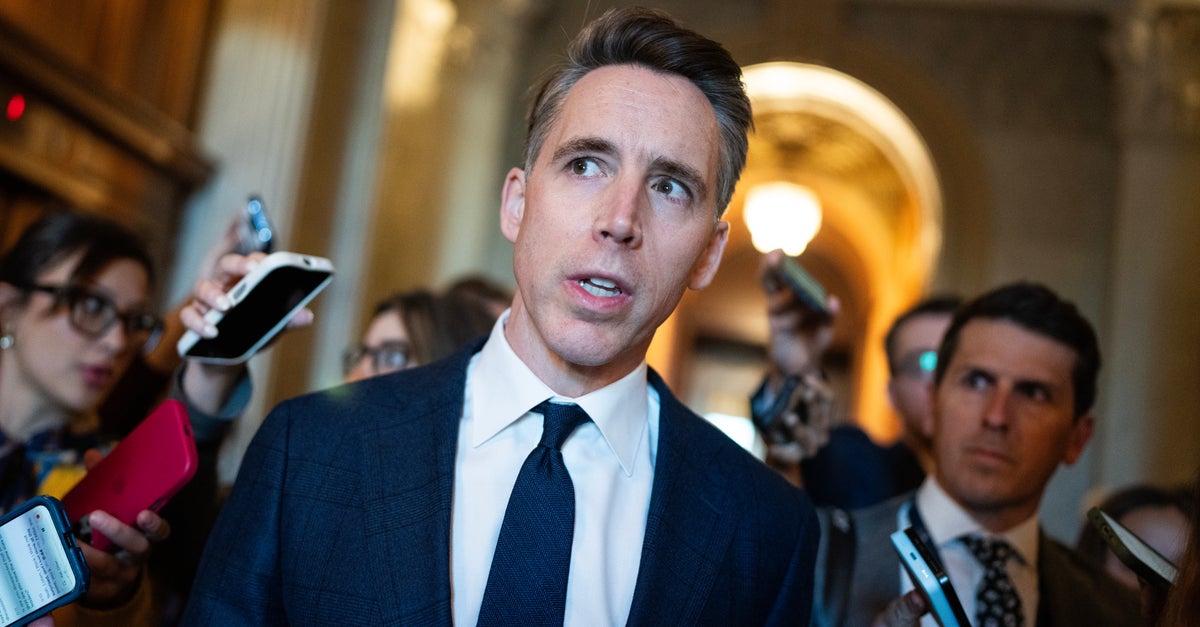
Sen. Josh Hawley (R-Mo.) told reporters he finds the timing suspicious, citing outages at the nation's largest banks, major airlines, the Federal Aviation Administration, and the National Security Agency. The NSA attributed its internal communications outage to routine software upgrades. Separately, the FAA ordered a rare nationwide ground stop last week after a single component malfunctioned during an upgrade, triggering a cascade that halted flights nationwide. Transportation Secretary Sean Duffy met with Republican senators to explain the aviation disruption and the administration's request for funding to modernize aging infrastructure.
Sen. Mark Warner (D-Va.), the top Democrat on the Senate Intelligence Committee, said the incidents appear to be coincidental so far. However, he warned that recent reductions at the Cybersecurity and Infrastructure Security Agency under FBI Director Kash Patel could leave the country more exposed. Warner stressed that no confirmed connection has emerged between the events.
Why This Matters
The cluster of outages has fueled speculation online, with some commentators suggesting foreign cyberattacks or deliberate chaos. Lawmakers note that public trust in government explanations is already fragile, pointing to past incidents such as the 2024 drone sightings scare as evidence of how quickly uncertainty can spiral. Sen. Andy Kim (D-N.J.) suggested that organizations may be patching systems more aggressively due to fears of AI-enabled cyber threats, which could inadvertently create instability.
Hawley acknowledged he does not possess classified or private evidence linking the outages, but he supports a unified briefing. He argued that if the session is held in an unclassified setting, lawmakers could share findings with the public.
Key Takeaways
- Multiple major systems—including banks, airlines, the FAA, and the NSA—reported outages in close succession.
- Officials have attributed the incidents to routine causes such as software updates and aging infrastructure.
- Sen. Mark Warner said no evidence of a coordinated attack exists, though he raised concerns about cybersecurity staffing reductions.
- Sen. Josh Hawley called for a comprehensive congressional briefing on the disruptions.
- Some lawmakers worry that frequent patching in response to AI-related threats may be contributing to technical instability.
Conclusion
Whether the recent wave of system failures amounts to an unfortunate coincidence or a warning sign of deeper vulnerabilities remains unresolved. What is clear is that Congress wants answers, and lawmakers from both parties agree that transparency will be essential to maintaining public confidence. As agencies continue to modernize legacy technology, the balance between rapid security updates and system reliability will likely remain under close scrutiny.
Discussion
Join the conversation
Thoughtful reactions, questions, and follow-up ideas help shape the next story.