Introduction
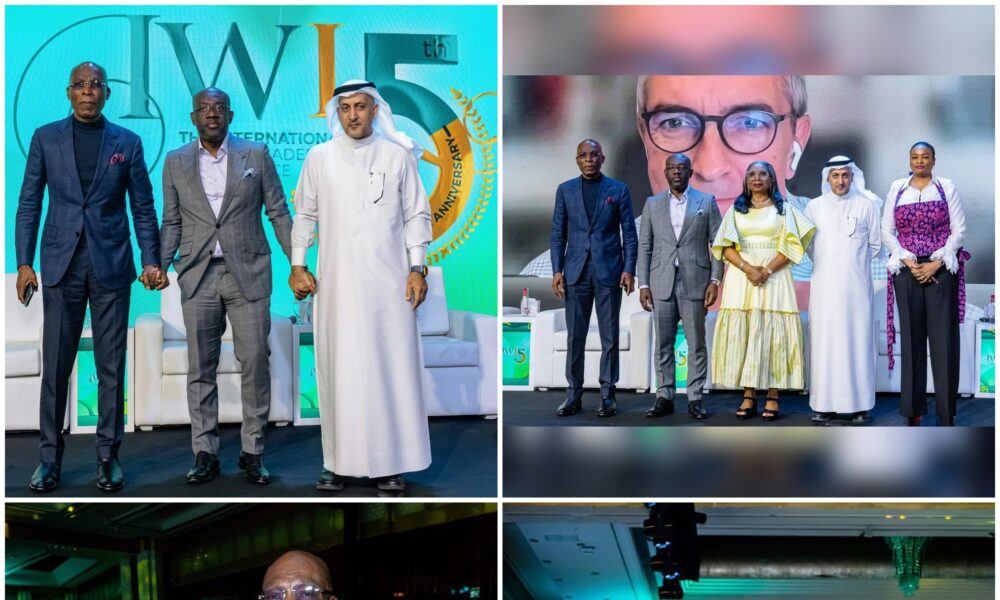
Leo Stan Ekeh, the chairman of Zinox Group and a prominent figure in African technology, recently took the stage at The International Women Leadership Conference in Dubai. Speaking under the theme 'Losing the Fear,' Ekeh addressed more than 600 women leaders from across the globe, sharing a personal account of risk, conviction, and the early days of building a tech industry where none existed.
What Happened
Ekeh described his decision to pursue technology in Africa as corporate suicide in the eyes of his family and contemporaries. After studying Economics in India, he was advised against a computer science postgraduate degree in Europe because many believed the continent would have little use for computers for decades. He instead earned qualifications in risk management and business law, but ultimately redirected his law school tuition toward launching a technology venture.
He recalled turning down offers from international technology firms before returning to Nigeria, where banking and oil dominated career ambitions. His first company, Task Systems Ltd, launched more than 35 years ago at the Sheraton Hotel in Ikeja and introduced desktop publishing and computer graphics to Nigeria. At that event, he argued that a country cannot be truly independent without control over its own technology.
Later, he founded Zinox Technologies, which became one of Africa’s first computer manufacturers to earn Microsoft WHQL and Intel certification. Ekeh said the goal was never simply to assemble machines, but to prove that Africa could produce technology to global standards. He also acknowledged the personal cost: for more than three years, he lived on a single meal a day and slept in a small office room.
The journey was not without conflict. Ekeh described experiencing controversial patronage, corporate blackmail, and the pressures of running a visible business in a difficult operating environment. He suggested these hardships help explain why some wealthy Africans hesitate to discuss the struggles behind their fortunes. He also announced that a book detailing the full story is expected before the end of 2027.
Why This Matters
Ekeh’s remarks arrive amid growing conversations about women’s leadership, economic inclusion, and Africa’s place in the global technology economy. By framing his career as a deliberate rejection of the safe path, he offered a model of risk-taking for founders and executives navigating uncertain markets.
He also highlighted concrete efforts to expand opportunity. Through TD Africa Distributions Ltd and its TecHerdemy initiative, more than 1,000 women have received training in cybersecurity, artificial intelligence, software development, data science, and professional etiquette. Many of those graduates now hold leadership positions across the technology sector. Within Zinox Group itself, women lead several business units as chief executives.
Key Takeaways
- Leo Stan Ekeh called his move into African technology corporate suicide because peers viewed it as a reckless career choice.
- He studied Economics in India and later pursued risk management and business law before committing fully to entrepreneurship.
- Task Systems Ltd, founded over 35 years ago, pioneered desktop publishing and computer graphics in Nigeria.
- Zinox Technologies became one of Africa’s first Microsoft WHQL- and Intel-certified computer manufacturers.
- Ekeh endured significant hardship, including living on one meal a day for more than three years.
- TD Africa’s TecHerdemy program has trained over 1,000 women in tech disciplines such as AI, cybersecurity, and data science.
- Women currently serve as chief executives of multiple business units within Zinox Group.
- A book chronicling Ekeh’s full entrepreneurial journey is planned for release before the end of 2027.
Conclusion
Leo Stan Ekeh’s address at TIWLC Dubai was ultimately a call to courage. He reminded the audience that fear may always speak, but it should not dictate decisions. For women leaders and aspiring entrepreneurs, his story underscores the value of competence, determination, and the willingness to build something new even when the conventional path looks safer.
Discussion
Join the conversation
Thoughtful reactions, questions, and follow-up ideas help shape the next story.