Introduction
The debate over whether a four-year degree is still worth the cost has intensified across Silicon Valley and Wall Street. While some technology investors encourage students to leave school early, a former Goldman Sachs leader is making the case that college remains a vital stepping stone for ambitious professionals.
What Happened
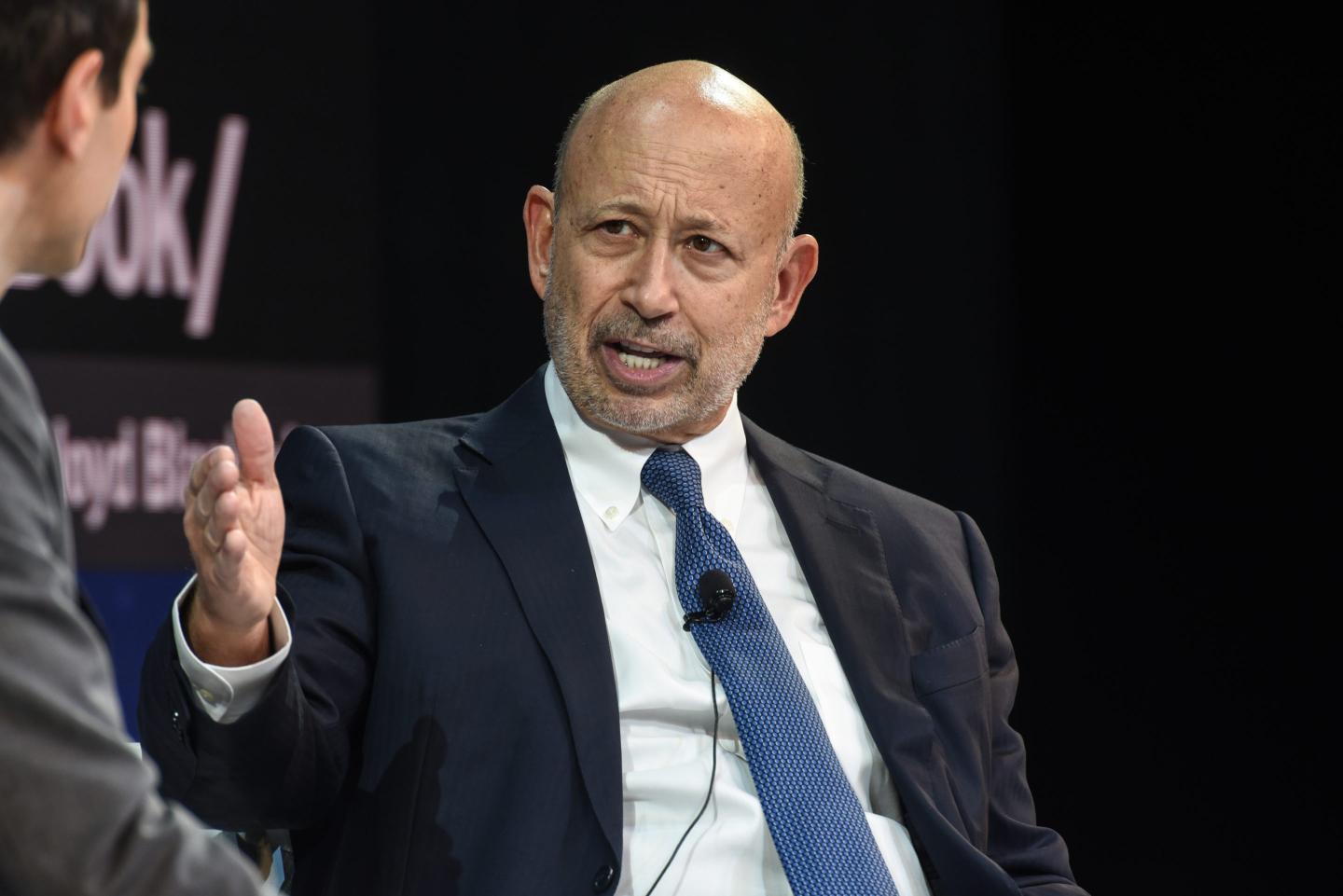
Lloyd Blankfein, who led Goldman Sachs for years, recently pushed back against Peter Thiel's well-known skepticism of higher education. Writing in an excerpt from his memoir, Streetwise, which was shared with Vanity Fair, Blankfein said he strongly disagrees with the idea that college is a corrupt institution. He argued that technical skill alone is not enough; professionals also need to become well-rounded people that others want to work with.
Blankfein, who attended Harvard University and Harvard Law School, acknowledged that he did not especially enjoy his undergraduate years. Still, he credited the experience with building his confidence, sharpening his writing, and deepening his interest in history and current events. He described college as a rare chance to become uncomfortable in ways that spark curiosity.
Meanwhile, Thiel has spent more than a decade funding young entrepreneurs who leave college through the Thiel Fellowship, which offers grants of $200,000. Palantir, the company Thiel co-founded, also runs the Meritocracy Fellowship, a paid internship for recent high school graduates that markets itself as an alternative to traditional university.
Why This Matters
The disagreement reflects a broader cultural shift. As student debt rises and tech founders promote nontraditional paths, many young people are questioning whether a diploma still leads to better opportunities. Blankfein's position adds weight to the argument that higher education offers intangible benefits, such as communication skills and personal growth, that are harder to replicate outside a campus setting.
Other executives agree. Daniela Amodei of Anthropic has said that humanities and critical thinking will become more valuable as technology advances. Musician Usher, speaking at an Emory University commencement, told graduates that while a diploma matters, the real value comes from the ambition and effort a person brings after graduation.
Key Takeaways
- Lloyd Blankfein rejects Peter Thiel's view that college is a corrupt institution, calling a degree useful for becoming a "complete person."
- Blankfein attended Harvard and Harvard Law School, and says his undergraduate years helped develop his writing, confidence, and curiosity.
- The Thiel Fellowship has provided $200,000 grants to students willing to drop out since 2011, helping launch companies such as Figma and Scale AI.
- Palantir's Meritocracy Fellowship offers a paid, four-month internship to high school graduates who are not enrolled in college.
- Anthropic cofounder Daniela Amodei and musician Usher have also voiced support for continued learning, even as they question whether a diploma alone guarantees success.
Conclusion
Whether college is essential depends on the individual, but Blankfein's argument reminds us that education is about more than job training. For many aspiring professionals, the classroom can be a place to grow as a person, not just as a worker. As business leaders continue to debate the future of higher education, the decision ultimately comes down to personal goals, financial circumstances, and what kind of professional someone wants to become.
Discussion
Join the conversation
Thoughtful reactions, questions, and follow-up ideas help shape the next story.