Introduction
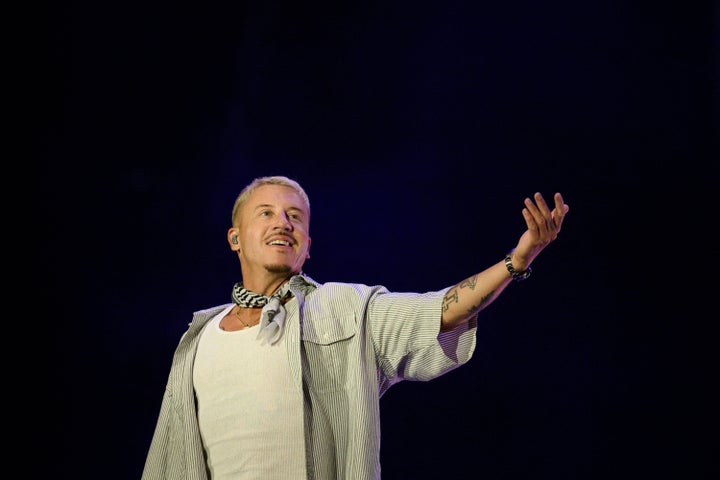
After rapper Macklemore was abruptly removed from Ed Sheeran's massive stadium tour, a firestorm of criticism erupted online, spotlighting a glaring double standard in live entertainment. While Macklemore faced venue backlash and ultimatums over his pro-Palestine comments, Kanye West -- now going by Ye -- continues to perform despite a well-documented history of antisemitic remarks and even a song titled Heil Hitler. The controversy has reignited debates about hypocrisy, free speech, and the politics behind concert cancellations.
What Happened
The chain reaction began when Macklemore took the stage for the first two dates of Sheeran's tour, declaring Free Palestine and addressing both Palestinian supporters and Jewish fans with a message of peace and dignity. His comments immediately drew fire from pro-Israel advocacy groups and prompted several venue owners to warn the tour's promoter that keeping Macklemore on board could cost them gigs. Robert Kraft, the Jewish owner of the New England Patriots and Gillette Stadium, confirmed Macklemore would not be allowed to perform at his venue, though he remained tight-lipped about whether he pressured other owners. Ed Sheeran echoed the sentiment the next day, stating that venue concerns forced his hand. Meanwhile, Kanye West's ongoing tour steamrolls forward -- all U.S. dates proceeding as of Tuesday -- even though the rapper once dropped a track called Heil Hitler and faced bipartisan backlash when his Tampa shows were announced years ago. A reported contract clause bars Tampa stadiums from canceling Ye based on his past statements, and Ye previously took out a full-page ad in The Wall Street Journal apologizing for his antisemitic comments, attributing them to bipolar disorder.
Why This Matters
The stark contrast between Macklemore's swift removal and Ye's unchecked tour raises uncomfortable questions about consistency in the live-events industry. Critics argue that the reaction highlights a selective application of cancel culture, where political stance and identity heavily influence which artists are sidelined and which are protected. The situation also underscores how contract language, stadium ownership, and First Amendment considerations intersect in real time, setting a precedent for how future tours handle controversial artist statements. For fans and industry watchers alike, the episode serves as a case study in the tangled relationship between art, activism, and commerce.
Public figures from Jemele Hill to journalist Noor Noman have weighed in, calling the disparity fucking absurd and pointing to the hypocrisy that fuels the divide. As stadiums -- some publicly owned, some private -- weigh political pressure against contractual obligations, the ripple effects could reshape tour routing and artist vetting for years to come.
Key Takeaways
- Macklemore was canceled from Ed Sheeran's tour due to pro-Palestine comments, while Kanye West's Ye continues performing despite antisemitic history.
- Venue ultimatums from venue owners played a central role in Macklemore's removal.
- Robert Kraft and Ed Sheeran both supported the decision, but Kraft avoided commenting on pressuring other venues.
- Ye's contract includes a clause preventing Tampa stadiums from canceling his shows based on past remarks.
- First Amendment concerns arose regarding publicly owned stadiums, though they didn't stop a Macklemore boycott.
- Media personalities and journalists have publicly labeled the situation as hypocritical, amplifying the debate.
Conclusion
The Macklemore cancellation versus Ye's continuing tour is more than a single-week headline -- it's a revealing moment about how the entertainment industry navigates politics, controversy, and profit. As tour promoters, venue owners, and artists themselves grapple with where to draw the line, audiences are left watching closely. Whether this leads to concrete policy changes or simply fuels more online debate remains to be seen, but one thing is clear: the conversation about accountability, freedom of expression, and the cost of taking a stand in the spotlight isn't going away anytime soon.

Discussion
Join the conversation
Thoughtful reactions, questions, and follow-up ideas help shape the next story.