Introduction
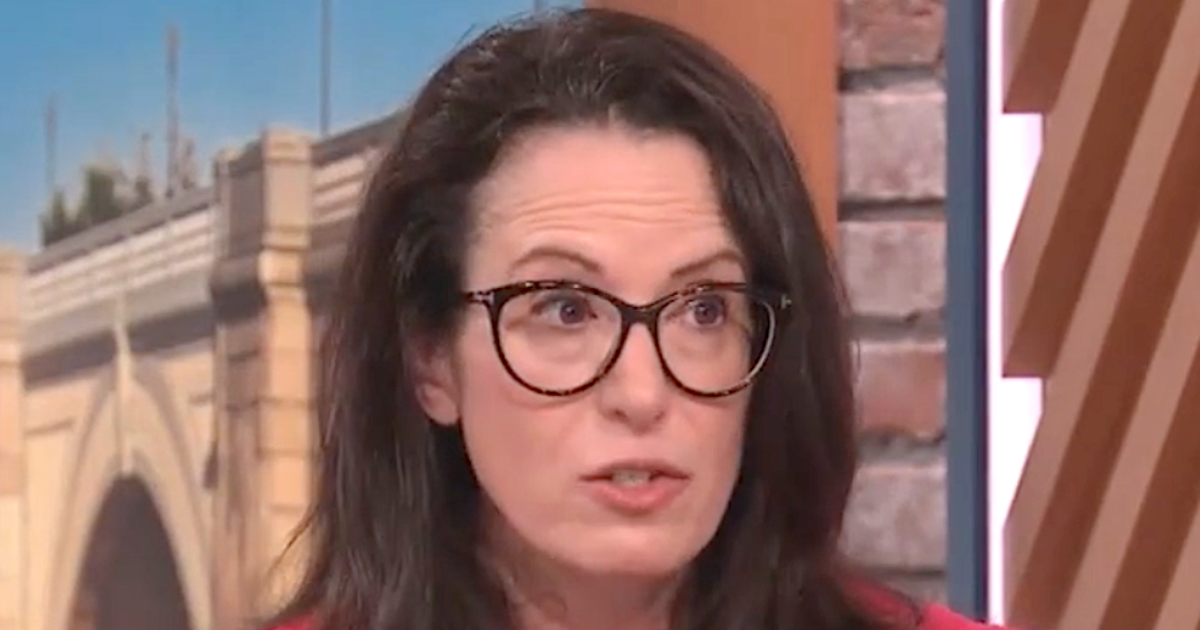
Veteran New York Times journalist Maggie Haberman has drawn attention to a noticeable thinning of the ranks inside the West Wing, describing the current staffing level as striking and indicative of a broader pattern of exhaustion among those working closest to the president.
What Happened
During a recent appearance on MSNBC's Deadline: White House Haberman noted that the number of personnel regularly engaging with reporters has dwindled significantly. She pointed out that several staff members who previously served as media liaisons are gone and not being replaced, leaving only a small team remaining. The reporter also highlighted the recent departure of Taylor Budowich, former deputy chief of staff overseeing communications, as another sign of the shrinking team. Haberman emphasized that the reduction isn't just about numbers--it reflects the wear and tear on staffers who operate in a high-pressure environment. She described the situation as remarkably thin, drawing comparisons to periods when only a handful of aides appeared at the president's off-site locations.
Why This Matters
The shrinking West Wing presence has direct implications for how journalists cover the president. With fewer staffers available for press interactions, access becomes more limited, and the dynamics of daily briefings and informal exchanges shift. Haberman noted that even as former outlets face media bans, the broader media landscape is changing, making physical presence in the West Wing less necessary for comprehensive coverage. Host Nicolle Wallace suggested that Chief of Staff Susie Wiles could influence staffing decisions, but Haberman cautioned that ultimately, the president dictates who remains in his inner circle. The conversation also touched on whether staffers who feel overwhelmed should step back, with Haberman noting that many stay because they understand the president's patterns and preferences.
Key Takeaways
- Haberman describes the West Wing staff as notably thin in its current state.
- Several former media liaisons have departed without replacement, leaving a reduced team.
- Taylor Budowich's exit underscores the broader turnover in communications leadership.
- Staff exhaustion and high-pressure dynamics are central factors in the staffing shift.
- Reduced on-site presence does not necessarily limit coverage quality, given evolving media habits.
Conclusion
The current state of West Wing staffing reflects both personal exhaustion and strategic calculations within the president's inner circle. As the comments suggest, the reduction in personnel signals a changing dynamic that affects how access is granted and how stories are reported. Whether through fewer staffers on the ground or a shifting media ecosystem, the way the White House engages with the press is undergoing a meaningful transformation.

Discussion
Join the conversation
Thoughtful reactions, questions, and follow-up ideas help shape the next story.