Introduction
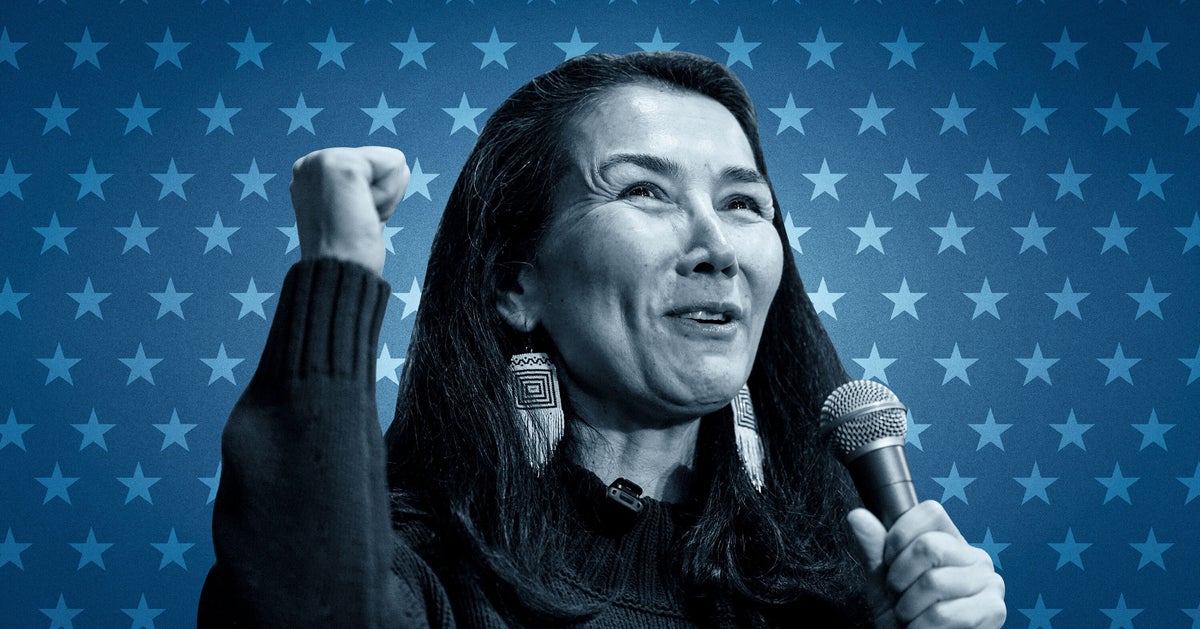
Mary Peltola has claimed victory in Alaska's closely watched Senate contest, defeating incumbent Republican Dan Sullivan and returning the seat to Democratic control for the first time in more than a decade. The outcome concludes one of the final undecided races of the 2026 midterm cycle and adds to a broader wave of Democratic gains across the country.
What Happened
Peltola, a former one-term member of the U.S. House, secured just over half of the vote, which allowed her to win outright without triggering additional rounds under Alaska's ranked-choice voting system. Election officials needed two weeks after Election Day to finish counting absentee and early ballots, many of which came from regions that historically favor Democratic candidates.
The race also featured an unusual sideshow. A retired teacher from Petersburg, also named Dan Sullivan, appeared on the ballot alongside the incumbent. The Alaska Supreme Court had previously ruled that he could remain a candidate, rejecting arguments that he was an improper spoiler. Ultimately, he captured only a small share of the vote and did not alter the final result.
Why This Matters
Peltola's win ends a 12-year Republican hold on this Alaska Senate seat. The last Democrat to hold it was Mark Begich, who lost to Sullivan in 2014. Her victory is also historically significant: as an Alaska Native and enrolled member of the Orutsararmiut Traditional Native Council, she is among the first Indigenous women ever elected to the U.S. Senate, alongside Minnesota's Peggy Flanagan.
The result contributes to a larger shift in the Senate. Democrats picked up nine seats in the midterms, their largest gain in nearly half a century, and are set to hold a 56-seat majority when the new Congress convenes in January.
Key Takeaways
- Mary Peltola defeated incumbent Senator Dan Sullivan by nearly five percentage points.
- The seat flips to Democratic control for the first time since 2008.
- Peltola won with just over 50% support, avoiding a ranked-choice runoff.
- She is one of the first Indigenous women elected to the U.S. Senate.
- Democrats will hold a 56-seat majority in the Senate starting in January.
- A second candidate named Dan Sullivan appeared on the ballot but received less than 2% of the vote.
Conclusion
Despite legal challenges and questions about ballot access, Peltola's campaign held steady and prevailed. Her victory signals a notable shift in Alaska's political landscape and gives Democrats a stronger hand in the Senate as they prepare to take office. For Peltola, the focus now turns to representing Alaska's working families and delivering on her campaign promises.
Discussion
Join the conversation
Thoughtful reactions, questions, and follow-up ideas help shape the next story.