Introduction
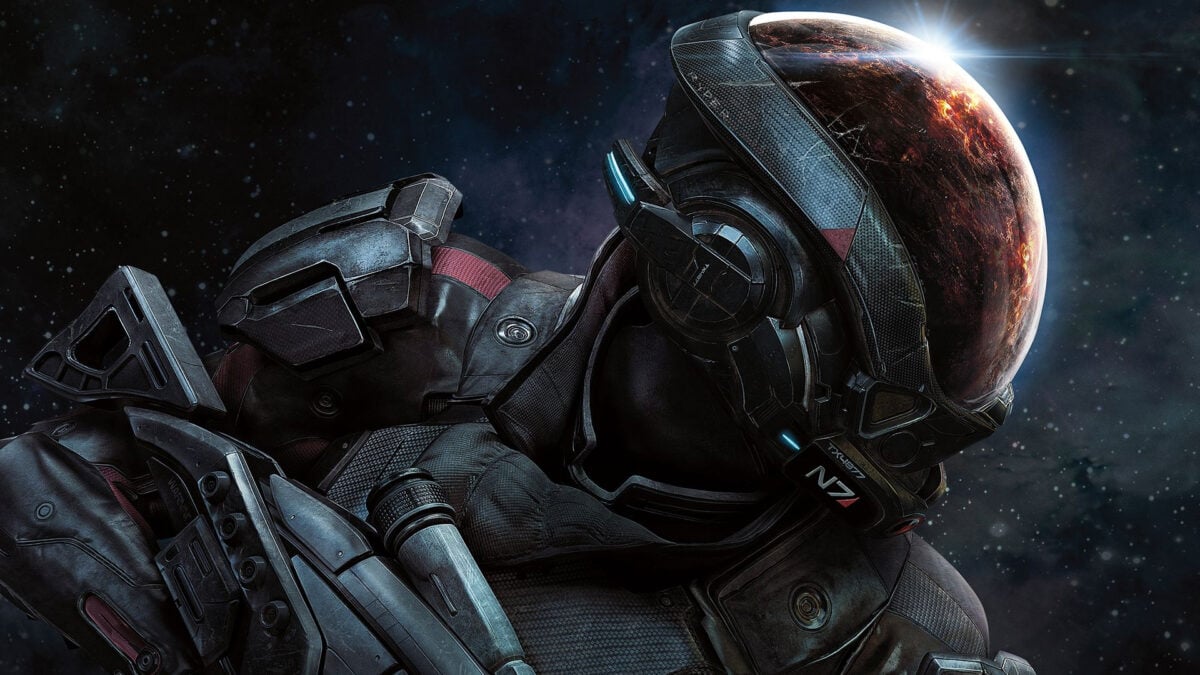
When Mass Effect Andromeda launched in March 2017, it arrived as the series' first major foray beyond the Milky Way, aiming to carry the franchise forward after Commander Shepard's story concluded. Set in a new galaxy, the game tasked players with leading the Andromeda Initiative, but a bumpy development cycle and fierce competition from contemporaries like Zelda: Breath of the Wild and Horizon Zero Dawn meant the open-world sci-fi RPG faced an uphill battle at launch.
What Happened
Originally released for PC, PlayStation 4, and Xbox One on March 21, 2017, Andromeda carried the weight of high expectations following Mass Effect 3's controversial ending. Its development was famously troubled, with resources stretched thin and creative vision compromised, resulting in a game that launched with technical hiccups and design compromises. Despite a rough start, ongoing patches and player patience gradually smoothed out many of the rough edges, allowing the core experience to shine.
Why This Matters
Andromeda matters because it represents a pivotal moment for BioWare and the Mass Effect franchise, illustrating how a troubled launch doesn't have to define a game's legacy. Its shift from class-based combat to a flexible Profile system, emphasis on exploration, and focus on humanity's role as visitor rather than conqueror in the Heleus Cluster offered a fresh if imperfect take on the series' core themes. The game also sparked important conversations about studio-EA dynamics, creative risk, and how time, community support, and iterative updates can redeem a once-polarizing entry.
Key Takeaways
Key takeaways from Andromeda's journey include the effectiveness of its Profile-based combat system, which blended tech, biotic, and combat powers with jetpack mobility for fluid, satisfying fights. Its emphasis on planetary exploration, Remnant vault puzzles, and a living galaxy gave players a strong sense of discovery. The narrative's focus on the Pathfinder role, Ryder's arc after losing father Alec, and the moral weight of being an outsider in the Angara's homeworld added unexpected depth. Moreover, Andromeda's slow climb from criticism to cult status proves that player patience, developer support, and post-launch improvement can transform perception.
Conclusion
In hindsight, Mass Effect Andromeda stands as a testament to what happens when ambition meets resource constraints, and how a game's story continues long after its release date. While it may never rival the polish of Shepard's trilogy, its willingness to experiment with combat, exploration, and the ethics of colonization earned it a second life. For BioWare, Andromeda served as a costly but necessary lesson—one that, coupled with the success of the Legendary Edition remaster, reinforced the idea that every series, no matter how flawed its entry, has room to grow, evolve, and ultimately find its place in gaming history.
Discussion
Join the conversation
Thoughtful reactions, questions, and follow-up ideas help shape the next story.