Introduction
Healthcare affordability has emerged as a defining issue in the 2026 midterm elections, as voters across key states grapple with rising costs and limited access. The phrase 'Medicare for All' is echoing at campaign rallies, town halls, and kitchen tables, reflecting a deepening voter concern over medical bills that feel increasingly unmanageable.
What Happened
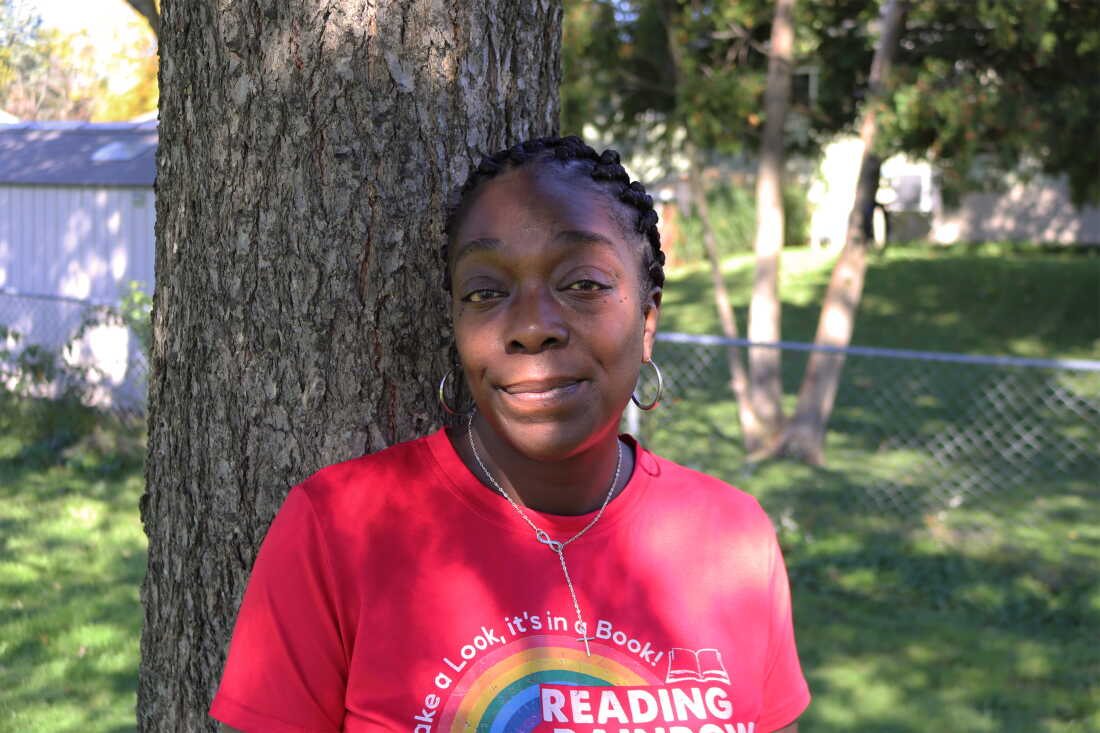
Democratic Senate candidate Abdul El-Sayed has made 'Medicare for All' the centerpiece of his campaign in Michigan, drawing crowds who see it as a solution to personal financial strain. At a recent Lansing town hall, attendees shared stories of dental debt, skipped diagnostics, and insurance gaps. Christina Starks-Clay, a special education paraprofessional, revealed she paid $1,000 to reduce her son's dental bills and still owed $389, even with coverage. A KFF poll released alongside the story found that two-thirds of Americans favor expanding the government health program that covers seniors, yet many remain unclear on what 'Medicare for All' actually entails. Voters described choosing between medications and groceries, skipping necessary tests, and facing deductibles as high as $9,000.
Why This Matters
The resonance of 'Medicare for All' reflects broader frustration with a system where fewer than half of Americans say they can afford their care. In Michigan, a battleground state, the issue is central to the Senate race, with El-Sayed framing it as a promise to stick to, while his opponent, Mike Rogers, warns of trillion-dollar costs and potential disruption to existing private coverage. Beyond the race, the KFF data shows support for expanded government healthcare is at its highest in at least a decade, even as political and industry opposition highlights the difficulty of systemic reform. Voters are watching closely to see whether campaign rhetoric translates into concrete policy proposals.
Key Takeaways
- Two-thirds of Americans support expanding Medicare, according to a new KFF poll, but understanding of 'Medicare for All' varies widely.
- Voter anxiety over medical costs is driving the phrase's popularity in midterm races, particularly in states like Michigan, Minnesota, and Maine.
- Estimates suggest Medicare for All could cost roughly $4 trillion annually, though some studies indicate potential long-term savings.
- Michigan alone could see up to 355,000 residents lose Medicaid coverage in 2028 under current federal proposals.
- Campaign trails are now featuring personal health-care stories as powerful political tools, with candidates using them to shape voter perception.
Conclusion
As the 2026 midterms approach, 'Medicare for All' remains more than a slogan, it's a signal of voter desperation and a litmus test for candidates willing to challenge the status quo. Whether it translates into legislative action remains uncertain, given strong opposition and entrenched industry influence. What is clear is that health care affordability is no longer a peripheral issue; it's at the heart of the electorate's decision-making.



Discussion
Join the conversation
Thoughtful reactions, questions, and follow-up ideas help shape the next story.