Introduction
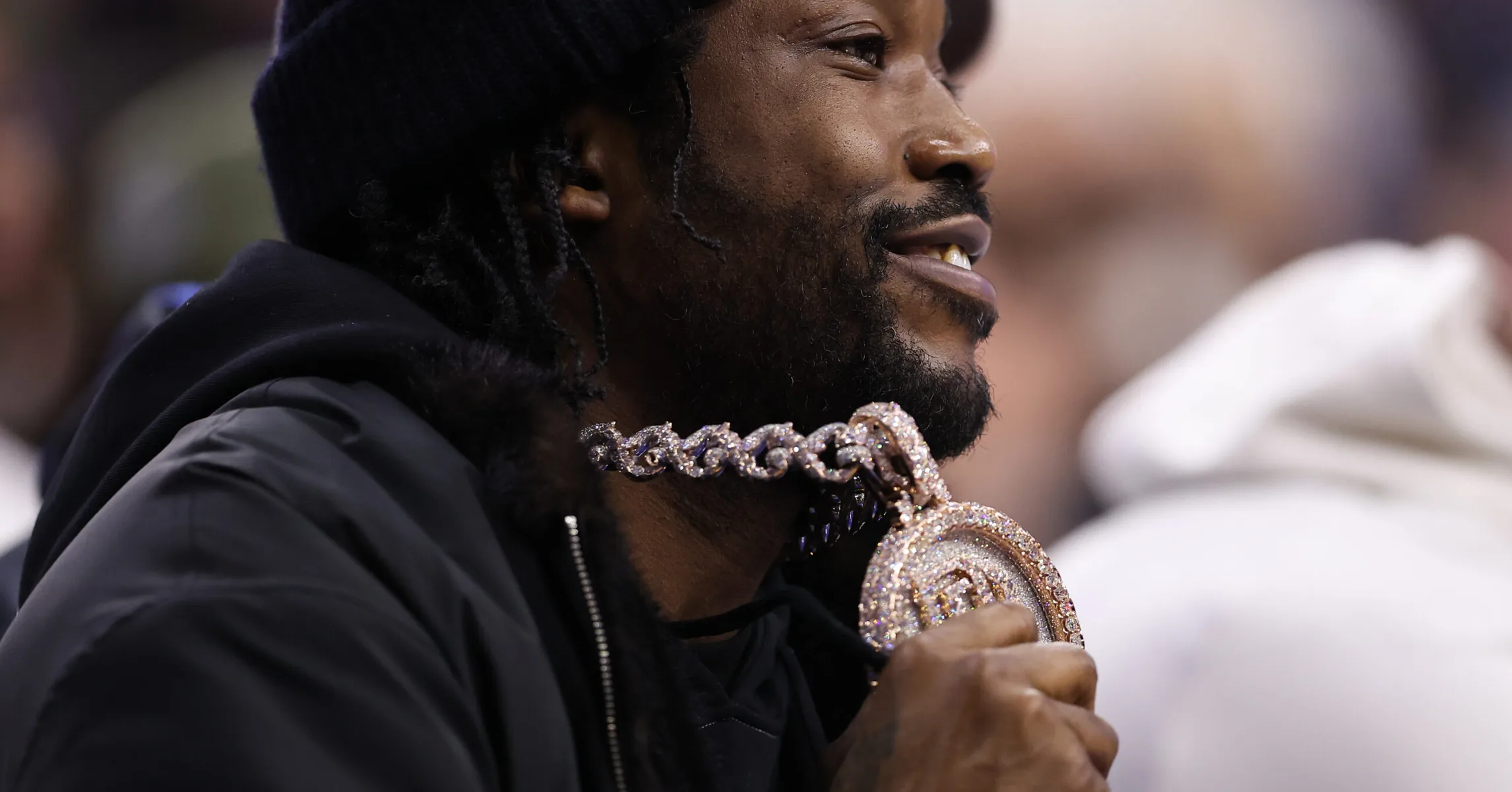
Philadelphia rapper Meek Mill recently addressed the sentencing of fellow artist Yella Beezy, using the moment to reflect on how the justice system affects families. In a social media post, Meek pointed to Beezy's own history of surviving violence without convictions, and questioned what it means for a child to learn hard truths about race and the legal system in America. The comments arrive after Beezy was handed a life sentence in a high-profile murder case.
What Happened
Yella Beezy, whose legal name is Markies Conway, was convicted of capital murder in the death of Melvin Noble, better known as MO3. The jury delivered the verdict on November 11, marking six years since the 2020 shooting that took Noble's life. Beezy received a sentence of life without parole.
Prosecutors argued that Beezy paid Kewon White $40,000 to carry out the killing, citing a long-running feud between the two rappers. White was convicted earlier in September and also received life in prison. Beezy's legal team has maintained his innocence, saying the case relied on speculation rather than concrete evidence. A third defendant, Devin Brown, is set to face trial in November.
The courtroom scene was emotional. Reports indicate Beezy asked to kiss his young son before the boy left the room in tears, and others present were crying. Some outlets later reported that Beezy collapsed after the proceedings.
Meek Mill's reaction referenced a 2018 highway shooting in which Beezy was shot multiple times but no one was convicted. Meek, who has been vocal about criminal justice reform following his own legal struggles and through his work with the REFORM Alliance, wrote that explaining the realities of growing up Black in America to Beezy's son would be a heavy burden.
Why This Matters
The case touches on more than one courtroom verdict. A man has lost his life, another man will spend the rest of his life behind bars, and a child will grow up without his father at home. Meek Mill's comments highlight how criminal cases ripple through families and communities, especially when they involve questions about violence, accountability, and race. His platform brings attention to the human cost behind the headlines, regardless of where people stand on the conviction itself.
Key Takeaways
- Yella Beezy (Markies Conway) was sentenced to life without parole for the capital murder of MO3 (Melvin Noble).
- The verdict came on November 11, the sixth anniversary of the 2020 shooting.
- Prosecutors said Beezy paid Kewon White $40,000 to carry out the killing amid a long-standing feud.
- Beezy's defense team maintains his innocence and argues the evidence was speculative.
- A third defendant, Devin Brown, is scheduled for trial in November.
- Meek Mill referenced Beezy's 2018 shooting and expressed concern for Beezy's young son.
- Meek Mill has been involved in criminal justice reform through the REFORM Alliance.
Conclusion
Meek Mill's statement does not change the legal outcome, but it frames the sentencing in a broader social context. For Beezy's son, the coming years will involve understanding a complicated legacy shaped by violence, a murder conviction, and a father serving life. As the legal process continues with Devin Brown's upcoming trial, the case remains a reminder of how criminal justice decisions extend far beyond the defendant.
Discussion
Join the conversation
Thoughtful reactions, questions, and follow-up ideas help shape the next story.