Introduction
Meta's new AI agent, Muse, debuted to significant attention, promising to browse, fill forms, book travel, and handle payments with a single interface. Within days, it topped the US App Store charts, sparking a wave of reactions from developers, security experts, executives, and everyday users. The conversation quickly moved beyond features to deeper questions about data privacy, platform access, and whether personal AI agents can truly earn trust.
What Happened
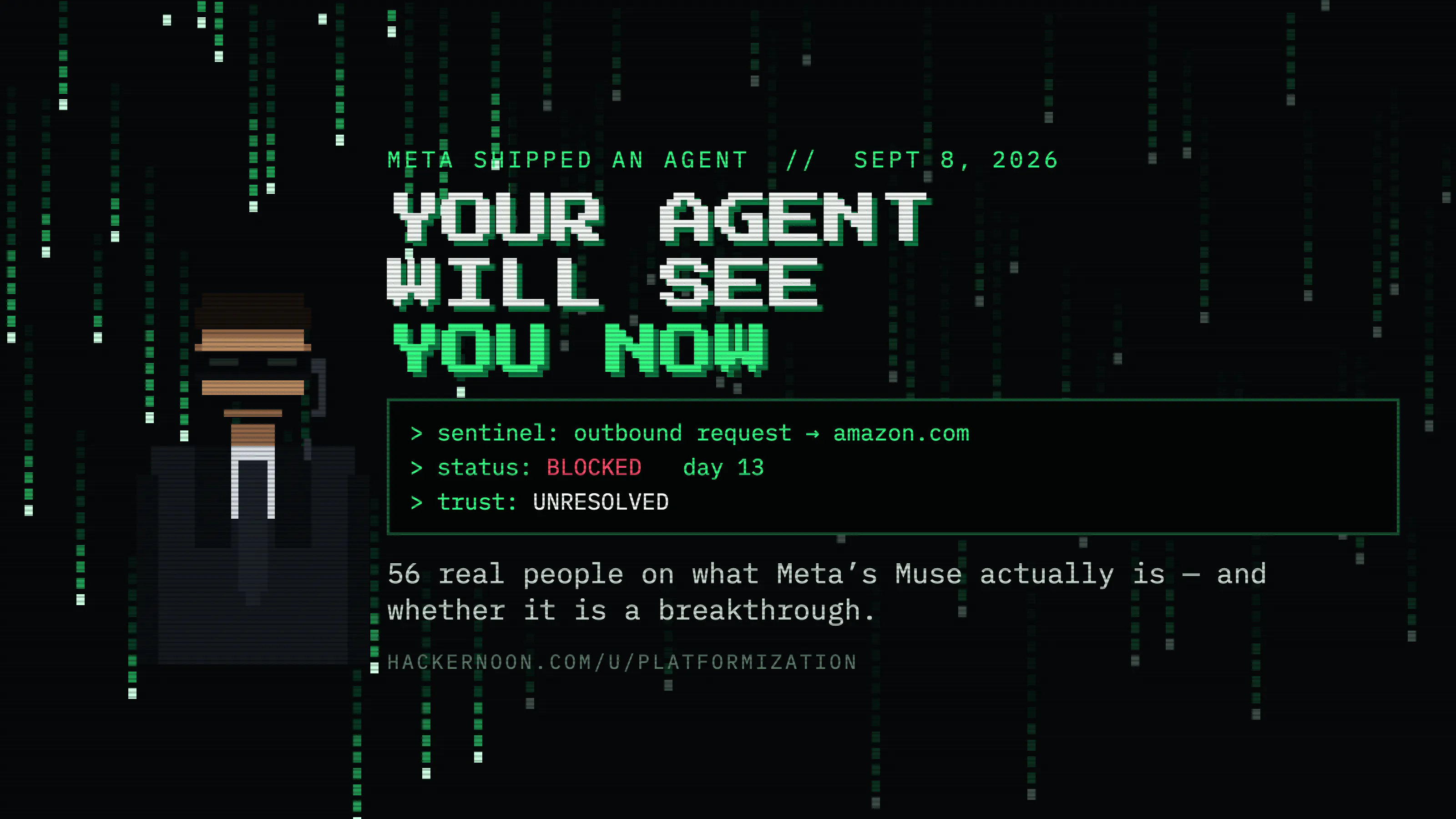
Muse launched as Meta's first personal AI agent built for general users. Within five days, it crossed 600,000 downloads and reached No. 1 in the US App Store. However, the momentum hit a wall when Amazon blocked Muse from shopping on its platform, citing concerns about undisclosed agentic commerce and credential safety. The article captures 100 distinct reactions, ranging from cautious optimism to sharp criticism, organized by the core issues each commentator raises.
- Key voices include former Meta employees, AI researchers, and industry analysts, each dissecting Muse's strategy, security, and market potential.
- The launch triggered discussions about Meta's AI strategy, the viability of personal agents, and the company's track record with user data.
- Security experts highlighted both architectural safeguards and fundamental unresolved risks around prompt injection and data exposure.
Why This Matters
The Muse launch is significant because it represents one of the first wide-release attempts at a personal AI agent that can act across apps, websites, and real-world tasks. Its reception reveals the industry's current divide: on one side, enthusiasm for what an always-on assistant could automate; on the other, deep skepticism about the data concessions required. The Amazon blockade underscores that even a capable agent faces gatekeeping from major platforms, and the security commentary exposes how unprepared the industry remains for prompt injection and credential misuse. For readers, the stakes involve what they are willing to share, and for Meta, whether Muse can transition from novelty to infrastructure.
Key Takeaways
- Muse achieved rapid adoption but faces immediate platform resistance, notably Amazon's blockade over undisclosed agentic activity.
- Trust remains the central barrier: users are asked to hand over inbox, calendar, and credit card data, and Meta's privacy record fuels resistance.
- Security architecture includes layered defenses, but prompt injection is still classified as an open industry problem, with bug bounties up to $130,000.
- Business model questions linger: Meta's massive AI spending contrasts with user willingness to pay, and the company's history of data-driven advertising raises concerns.
- The agent landscape is split between those excited about automation potential and those warning of a trust deficit that may be hard to bridge.
Conclusion
Muse's debut has sparked more than a product reaction, it is igniting a broader conversation about the future of personal AI, the data users are willing to surrender, and whether major platforms will open their ecosystems or close them off. The coming months will show whether Meta can address security, trust, and platform barriers, or whether Muse becomes a cautionary example of what happens when ambition outpaces user confidence. For now, the agent exists, the debates are loud, and the line between helpful assistant and data-hungry surveillance remains sharply drawn.



Discussion
Join the conversation
Thoughtful reactions, questions, and follow-up ideas help shape the next story.