Introduction
Microsoft 365 users faced a prolonged service disruption on Thursday that stretched well into the evening. Core productivity tools such as Outlook and Teams remained unreliable for much of the day, leaving businesses and remote workers grappling with interrupted email, messaging, and cloud access. While Microsoft reported partial progress restoring some servers, the company acknowledged that returning infrastructure to full stability was proving difficult.
What Happened
According to updates on Microsoft's cloud status page, the root cause involved a process on affected servers that handles secure connections. That process became overwhelmed, which caused the servers to stop processing incoming requests. By early Thursday evening, the status page flagged nearly every Microsoft 365 service tied to Exchange Online and email functionality as potentially affected.
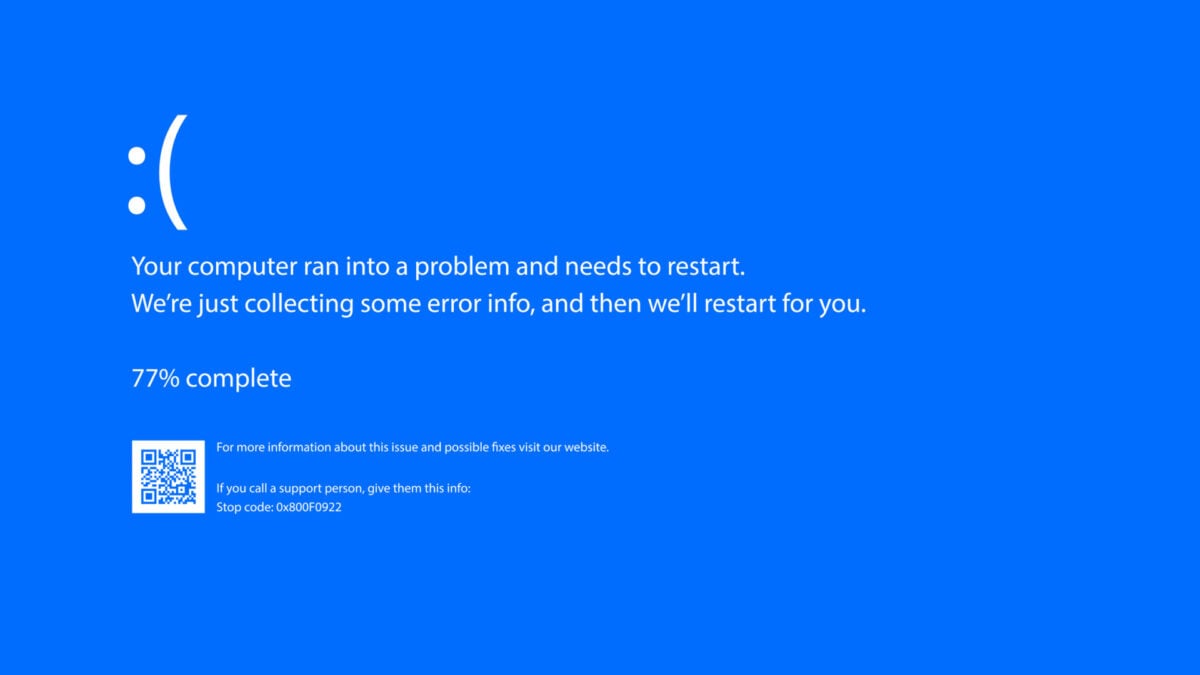
The disruption reached beyond email. Users reported problems accessing Outlook mailboxes, Microsoft Teams, SharePoint, Intune, Defender XDR, and AI-powered assistants. The Microsoft Store was also unavailable for much of the day, according to The New York Times. Wired reported that no evidence of a cyberattack had emerged, and while observers drew comparisons to the 2024 CrowdStrike-related Azure incident, this outage did not produce the widespread blue-screen failures associated with that earlier event.
Microsoft issued several updates after 7:00 p.m. ET. The company said some servers that had been returned to service could become unresponsive again once traffic resumed. Engineers were analyzing diagnostic data and temporarily restricting certain traffic types to the affected infrastructure in some regions. Around 9:00 p.m. ET, Microsoft said it was seeing positive results from restarting systems, though recovery remained isolated. A later update said capacity was being added where possible.
Third-party outage tracker Downdetector recorded more than 32,200 Outlook-related problem reports around 8:38 p.m. ET, down from a peak of over 129,500 reports near 1:28 p.m. ET. By roughly 9:40 p.m. ET, reports had eased to around 25,000, though the article noted that serious problems were likely ongoing given that fewer people may have been checking email after learning of the disruption.
Why This Matters
Extended outages of Microsoft 365 can ripple across organizations that depend on Exchange Online for email, Teams for collaboration, and SharePoint for document storage. Remote teams are especially vulnerable when messaging and calendar access become unreliable. The incident also highlights how a single overwhelmed connection process can cascade across multiple enterprise services, disrupting workflows well beyond a single application.
Key Takeaways
- Microsoft 365 services, including Outlook and Teams, experienced a sustained outage on Thursday that continued into the evening.
- The company traced the issue to a server process responsible for secure connections that became overwhelmed and stopped processing requests.
- Affected services reportedly included Exchange Online, SharePoint, Intune, Defender XDR, AI assistants, and the Microsoft Store.
- Microsoft said some restored servers could fail again under traffic and that it was limiting certain traffic types while investigating.
- Downdetector data showed Outlook issue reports peaked above 129,500 earlier in the day before declining to roughly 25,000 by late evening.
- No cyberattack was alleged, and the incident did not match the scale of the 2024 CrowdStrike-related Azure disruption.
Conclusion
Microsoft was still working to stabilize its 365 environment late Thursday, with engineers adding capacity and monitoring whether restored servers could handle live traffic without failing again. For businesses relying on the platform, the episode serves as a reminder that cloud-dependent tools can remain fragile even after a provider reports partial recovery. Customers were advised to keep checking Microsoft's status page for updates as the situation developed.
Discussion
Join the conversation
Thoughtful reactions, questions, and follow-up ideas help shape the next story.