Introduction
The mining community in Minna, Nigeria, was plunged into mourning following the recovery of 37 miner bodies in what has become one of the deadliest industrial incidents in the region this year. The incident has reignited debates over safety standards in artisanal and small-scale mining operations across the country.
What Happened
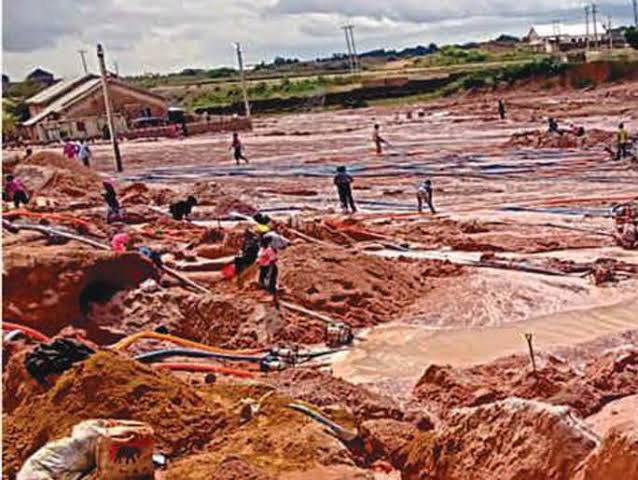
Reports indicate that the miners were working in shallow pits when a sudden event claimed their lives. Emergency responders and government officials rushed to the site, but the scale of loss was immediate and devastating. While the exact cause remains under official investigation, witnesses point to factors such as poor ventilation, lack of protective equipment, and the hazardous nature of unregulated mining pits. The tragedy underscores the daily risks faced by thousands of informal miners who rely on such work for their livelihoods.
Why This Matters
Beyond the immediate human cost, the Minna incident highlights systemic gaps in mining regulation and enforcement. Nigeria's artisanal mining sector employs millions, yet safety infrastructure remains critically inadequate. Calls for mandatory safety training, proper ventilation systems, and stricter licensing are growing louder. Policymakers and industry stakeholders are under pressure to implement reforms that could prevent future fatalities and protect the lives of workers who often operate without basic protections.
Key Takeaways
- The loss of 37 lives emphasizes the urgent need for comprehensive mining safety reforms.
- Informal mining operations frequently lack essential safety measures such as gas detection and ventilation.
- Government agencies must accelerate policy implementation and monitoring to address regulatory voids.
- Community awareness and worker education can play a role in reducing preventable deaths.
- Sustained advocacy and legislative action are essential to translate commitments into tangible safety improvements.
Conclusion
The Minna mining tragedy serves as a stark reminder of the cost of neglecting worker safety in high-risk industries. As investigations continue, the focus must shift from reaction to prevention, ensuring that such a devastating loss becomes a catalyst for lasting change. Stakeholders at all levels - government, industry, and civil society - must collaborate to build a mining sector where every worker returns home safely.



Discussion
Join the conversation
Thoughtful reactions, questions, and follow-up ideas help shape the next story.