Introduction
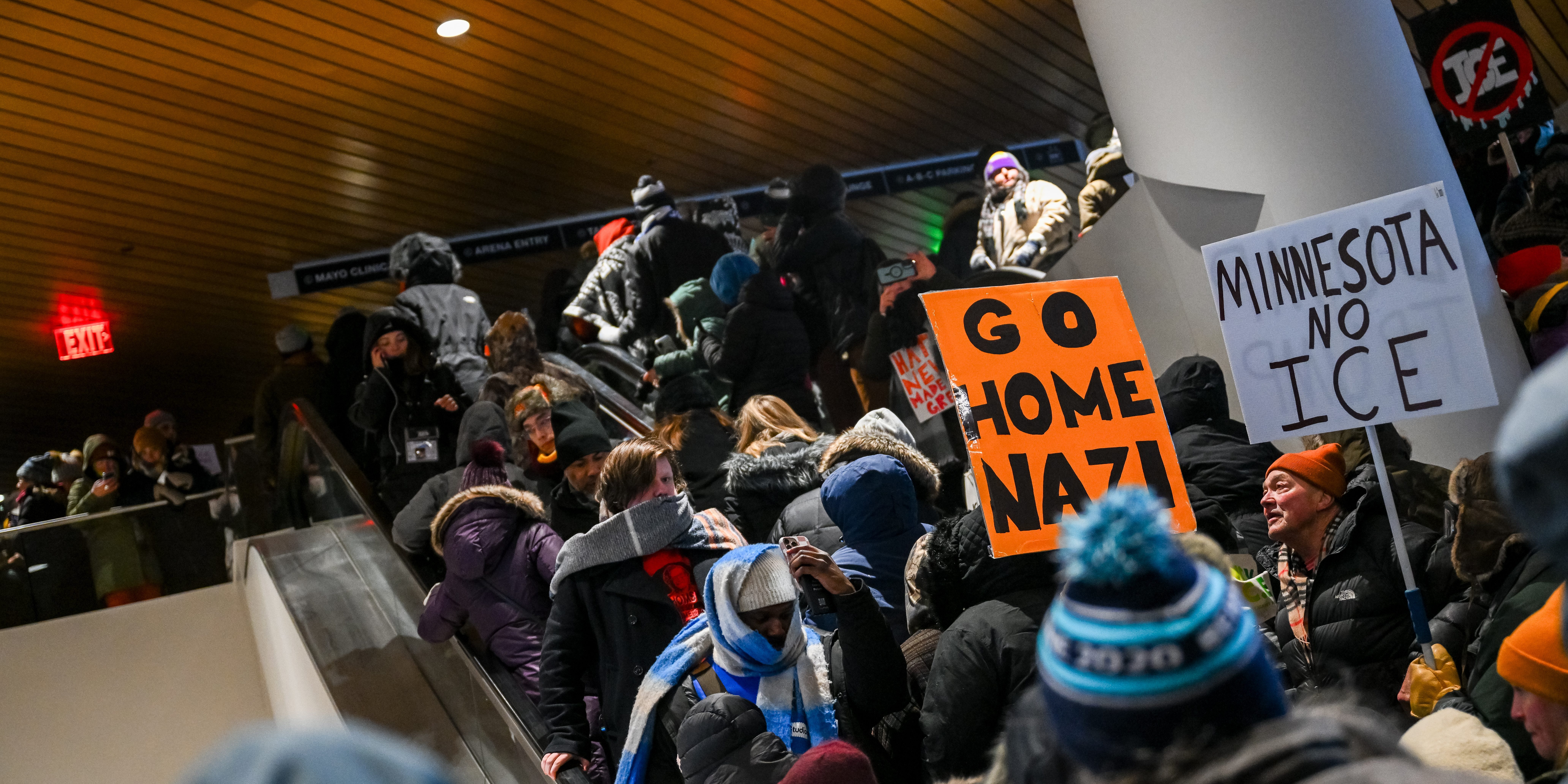
The Trump administration's 2026 indictment of 15 anti-ICE activists in Minneapolis has become a flashpoint for labor and left-wing solidarity. What began as federal charges following winter enforcement operations has evolved into a broad movement demanding the case be dropped, with unions and community groups rallying behind the defendants known as the Minneapolis 15.
What Happened
In January 2026, ICE agents conducted a sweeping enforcement operation in Minneapolis, leading to a 94-page indictment against 15 defendants, including labor organizer Emmett James Doyle and special-education teacher Treasure Thoreson. Prosecutors allege the group, centered around Direct Action Minnesota, conspired to target ICE agents through protests, blocking access, and private messages. The case has drawn comparisons to the Prairieland prosecution in Texas, where mainstream groups distanced themselves, but in Minnesota, powerful unions have rallied instead.
- Undercover agents infiltrated nonviolent groups, including labor unions and nonprofits, seeking evidence for federal charges.
- Prosecutors relied heavily on private messages and social media posts to build the conspiracy case.
- Defendants have maintained a unified joint defense, rejecting plea deals and asserting their actions were protected protest activity.
Why This Matters
The case underscores a broader Trump-era strategy to label left-wing activism as terrorism under a homeland security directive. Legal experts argue the charges stretch ordinary protest tactics into federal crimes. Meanwhile, unions like CWA Local 7250 and Education Minnesota have poured resources into the defense, framing the fight as essential to protecting the right to protest. The outcome could set precedents for how broadly the government can target dissent.
Key Takeaways
At least 11 of the 15 defendants have union ties, and supporters have raised funds, held marches, and refused plea deals. Undercover agents infiltrated nonviolent groups, and prosecutors relied heavily on private messages. The case has united labor factions across the Twin Cities, with hundreds marching downtown on October 3. Despite federal pressure, defendants maintain a unified front, and community solidarity continues to grow.
Conclusion
The Minneapolis 15 case is more than a legal battle; it's a test of whether federal power can silence mass dissent or whether organized labor and community networks can resist repression. As the legal proceedings continue, the solidarity shown across Minnesota suggests the movement's momentum is unlikely to fade soon.







Discussion
Join the conversation
Thoughtful reactions, questions, and follow-up ideas help shape the next story.