Introduction
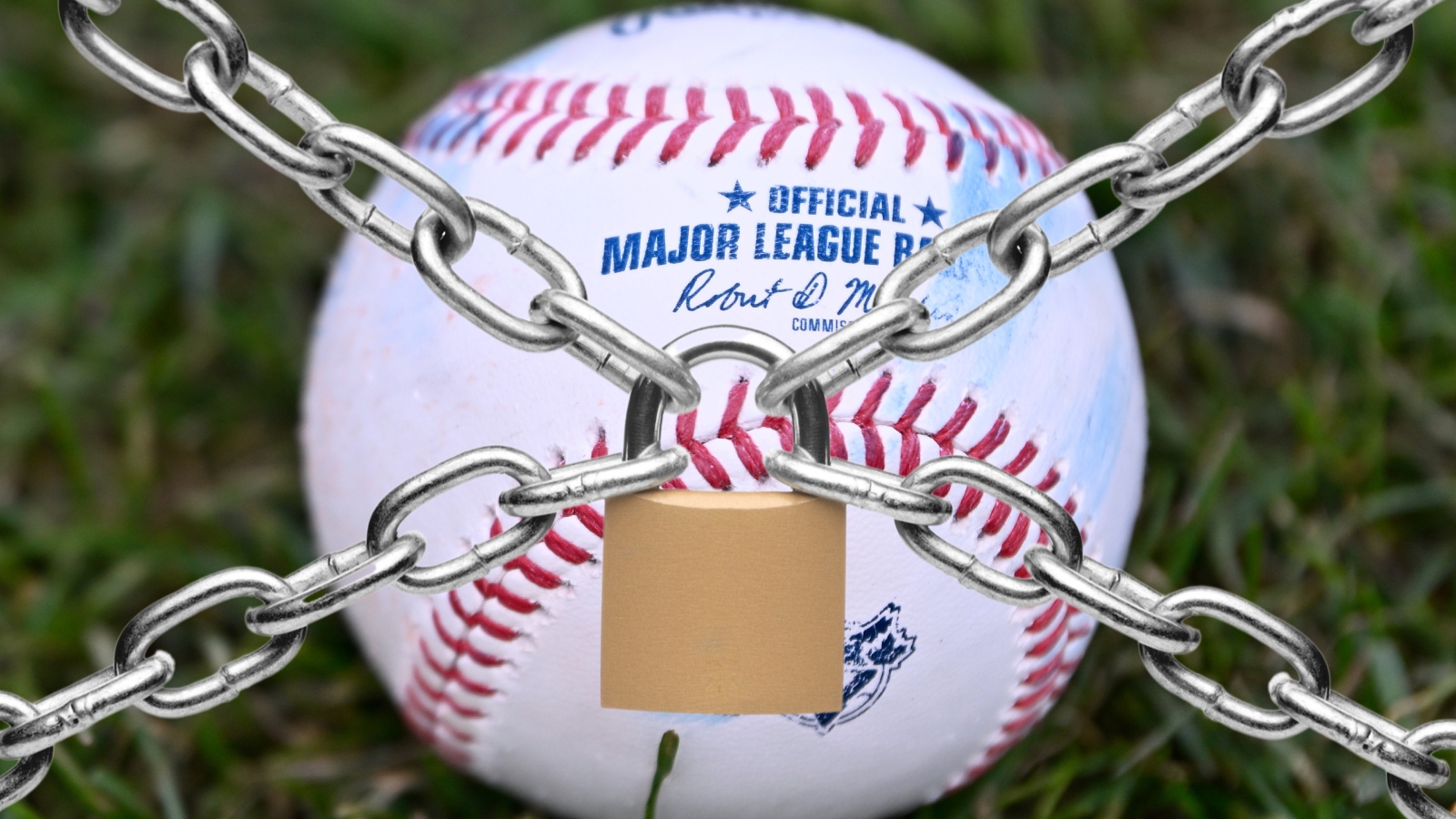
MLB owners preparing for a potential work stoppage in 2027 are discovering that the length of a lockout could have consequences beyond immediate labor disputes. A specific contract clause tied to television broadcasting could automatically extend current media agreements if enough games are canceled, fundamentally shifting the calculus for both sides.
What Happened
Most of MLB's national television arrangements contain language that would trigger a one-season extension from 2028 through 2029 if a labor pause eliminates at least 60 games from each club's schedule. Missing that benchmark means broadcasters gain an extra year of rights, pushing back the league's opportunity to renegotiate a new media package until the following cycle. Reporting from The Athletic highlighted how Game No. 60 could become one of the most closely watched deadlines in the upcoming negotiation.
Why This Matters
With MLB already generating roughly $2 billion each year from national media rights across partners including Fox, TNT Sports, ESPN, NBC, Apple, and Netflix, the stakes of any work stoppage extend far beyond ticket sales. Several of the existing deals are already scheduled to expire after the 2028 season, meaning the league was preparing to bring all rights to market simultaneously—a move that could significantly boost revenue, especially given the NBA's new agreements average about $7 billion annually and the NFL's take exceeds $11 billion per year. A lockout that reaches the 60-game threshold would inadvertently protect the current broadcast terms, delaying that potential windfall and potentially costing owners billions in future negotiation power. Additionally, national networks would continue paying their contracted 2027 fees even during cancellations, with the 2029 extension serving as compensation, meaning television revenue could actually help owners sustain a work stoppage before becoming a reason to end one.
Key Takeaways
- A 60-game shutdown per team would automatically extend current MLB TV deals through 2029
- The clause was likely unintentional but gives networks significant leverage during labor talks
- Owners risk postponing a future media rights windfall if the lockout lasts too long
- Broadcasters continue paying during cancellations, effectively using TV revenue to offset lost ticket income
- The 60th game is projected to arrive around late May 2027, creating a specific pressure point in the lockout timeline
- The situation underscores how media contracts can shape labor dynamics in professional sports
Conclusion
The prospect of a season-long work stoppage is never simple, but this television clause adds a fascinating layer of financial complexity. Owners may enter negotiations willing to sacrifice games to achieve their desired labor framework, but they likely want to avoid missing Game No. 60, since doing so could lock in current broadcast terms and push back a much-anticipated revenue surge. As the 2027 season approaches, all eyes will be on whether the league and players can reach an agreement before that magic number is reached.



Discussion
Join the conversation
Thoughtful reactions, questions, and follow-up ideas help shape the next story.