Introduction
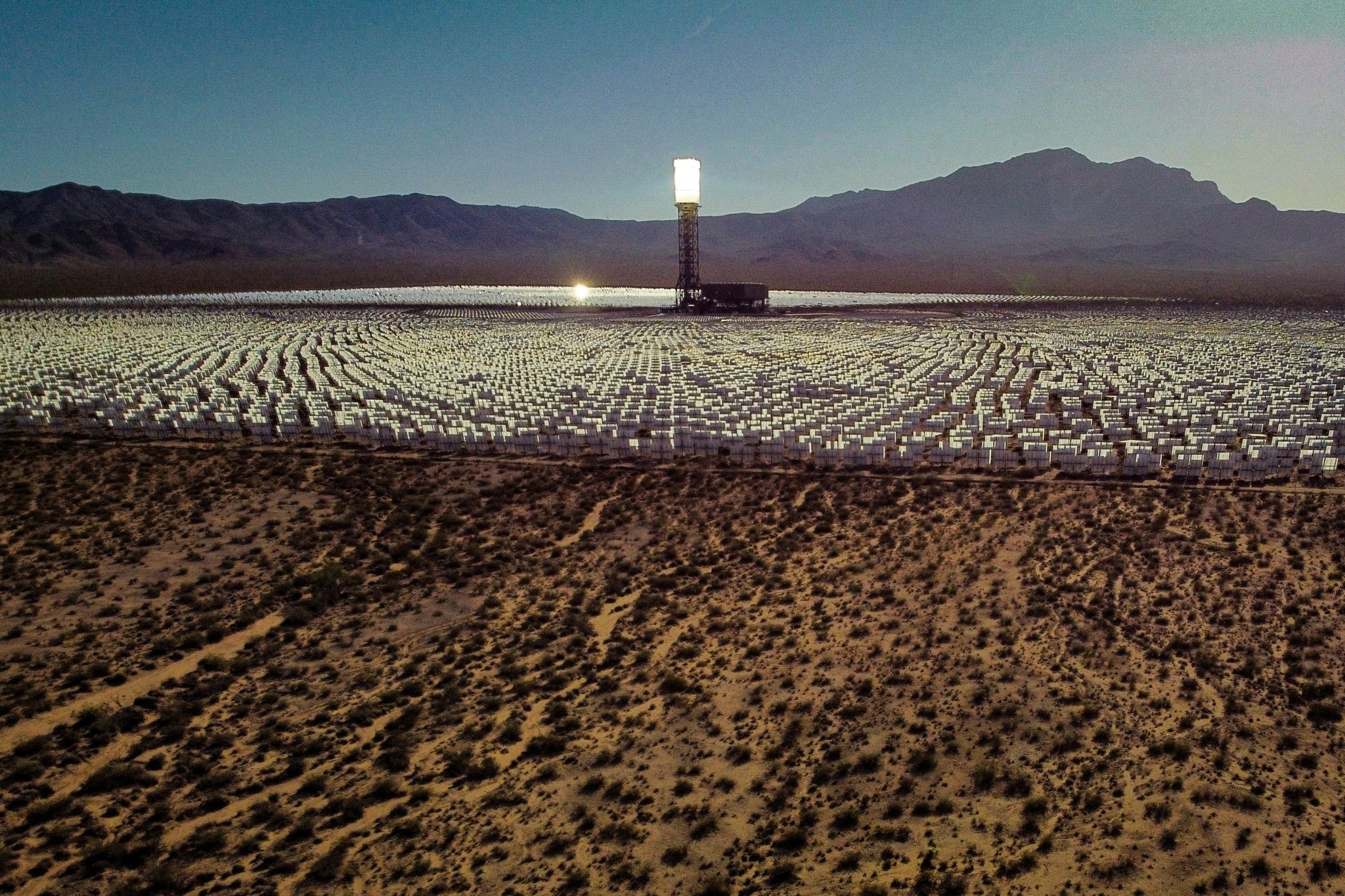
The Bureau of Land Management push to industrialize vast stretches of the Mojave Desert with large-scale solar farms has sparked fierce debate among conservationists Indigenous nations and climate advocates While renewable energy is essential the method and location of development matter profoundly
What Happened
In 2024 BLM announced its Western Solar Plan designating 22 million acres of public land across five states for future solar development Seven major projects covering approximately 140 square miles are already proposed or underway The plan would industrialize open desert habitat with millions of solar panels The plan would industrialize habitat critical to countless species and culturally significant lands
Why This Matters
Deserts like the Mojave play a disproportionate role in carbon sequestration with biological soil crusts storing significant amounts of atmospheric carbon Industrial solar development can crush these living soil layers release stored carbon and destroy habitat for species including desert tortoises and bighorn sheep The projects also threaten sacred Indigenous sites and disrupt ecosystems that support countless species
Key Takeaways
- BLM Western Solar Plan could industrialize over 22 million acres of public land for solar energy
- Desert ecosystems sequester carbon through living soil crusts making large-scale panel installation potentially counterproductive for climate goals
- Basin and Range Watch and Indigenous groups have successfully blocked or halted several solar projects to protect biodiversity and cultural sites
- Placing solar on rooftops parking canopies and already-disturbed land offers a lower-impact alternative to developing pristine desert habitat
- Major environmental organizations have largely remained silent or offered uncritical support leaving grassroots groups to lead the defense
Conclusion
As the push for desert solar accelerates the tension between renewable energy expansion and ecosystem preservation intensifies Experts argue that thoughtful siting prioritizing built environments and degraded land can meet clean energy goals without sacrificing the wild places that help mitigate climate change in the first place



Discussion
Join the conversation
Thoughtful reactions, questions, and follow-up ideas help shape the next story.