Introduction
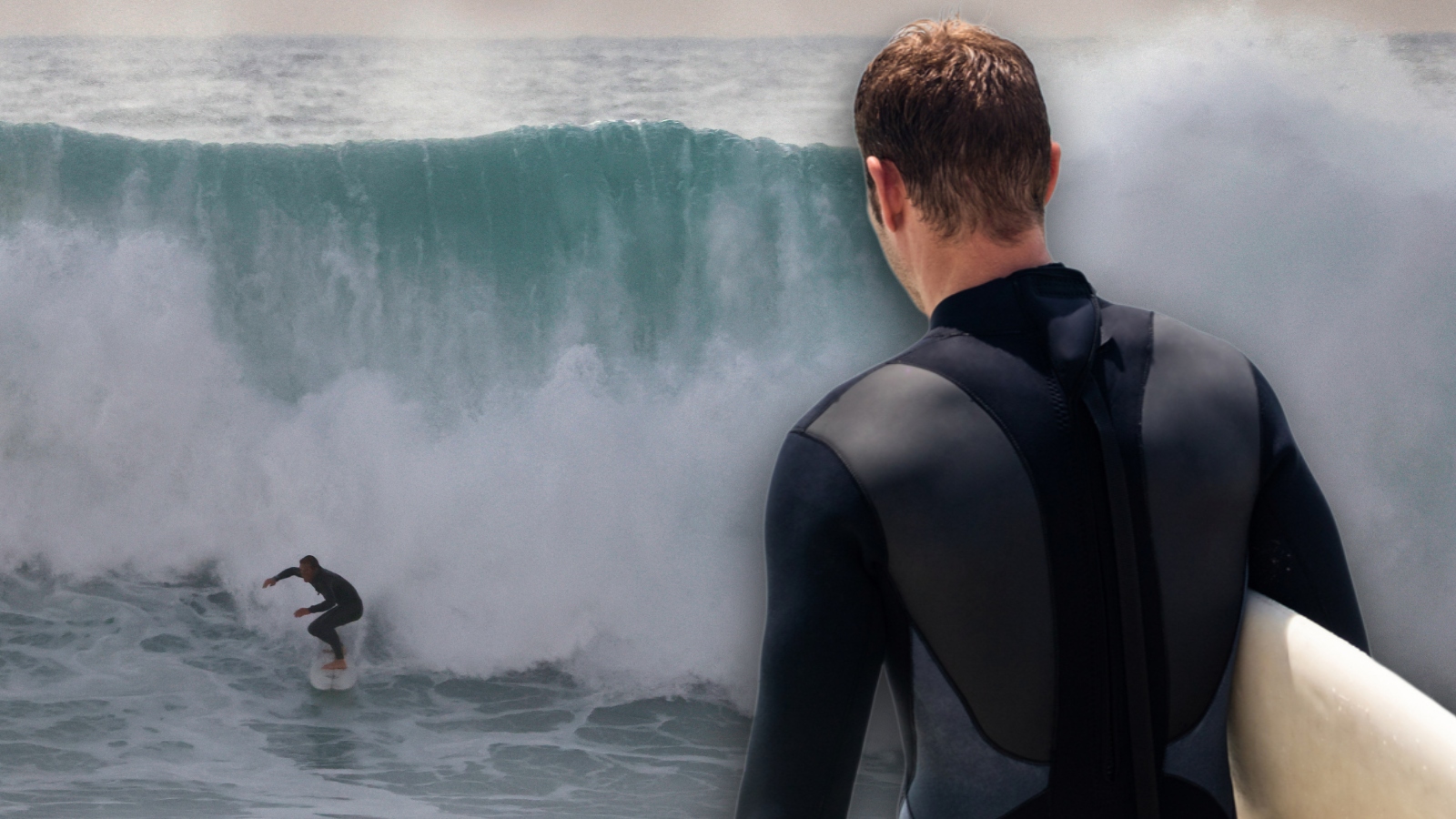
California’s coastline has long drawn big-wave hunters, but the surf that rolled in over the weekend of November 14–15, 2026, was something else entirely. A rare climate pattern known as a Super El Niño has pushed Pacific Ocean temperatures above 30 degrees Celsius for the first time on record, helping generate what observers are calling a 1,000-year swell. At Mavericks, the legendary break near Half Moon Bay south of San Francisco, waves reportedly topped 50 feet, turning the spot into a proving ground for the world’s best surfers and a danger zone for anyone caught off guard.
What Happened
The swell arrived as part of a broader pattern affecting the entire West Coast, which saw its largest surf in more than a decade. At Mavericks, veteran watermen including Kai Lenny paddled out to face walls of water that reached skyscraper proportions. Social media footage showed Lenny completing a 360 on a 40-foot face, while other clips from Pacifica and the Oregon coast captured waves towering over cliffs and shorelines.
Not everyone in the water was prepared. While experienced surfers knew the risks, several beachgoers underestimated the ocean’s power. Officials and weather services issued urgent warnings about sneaker waves, powerful run-up, and rip currents, stressing that even standing on the sand can be hazardous during high-surf events.
Why This Matters
El Niño is expected to peak in December, which means the current conditions may only be the beginning. The event is already being described by some observers as potentially the strongest in the past millennium, and its effects are being felt far beyond the surf zone. Coastal communities in Southern California have dealt with damaging surf for months, and forecasters warn that more intense swells are likely as winter approaches. For surfers, it is a once-in-a-generation opportunity. For public safety officials, it is a test of preparedness and public awareness.
Key Takeaways
- A Super El Niño has driven Pacific temperatures to record highs, fueling a historic swell along the California coast.
- Waves at Mavericks near Half Moon Bay exceeded 50 feet, drawing elite surfers such as Kai Lenny.
- The event has been described as a 1,000-year swell and produced the West Coast’s largest surf in over a decade.
- Officials warned beachgoers about sneaker waves, rip currents, and dangerous wave run-up, even for people staying on shore.
- El Niño is forecast to peak in December, suggesting more powerful surf is likely in the coming weeks.
Conclusion
The images and video emerging from Mavericks offer a vivid reminder of the ocean’s raw power. As the Super El Niño builds toward its winter peak, California’s coastline will likely remain a stage for extraordinary surf—and extraordinary risk. Whether you are a professional chasing the ride of a lifetime or a spectator watching from the bluffs, respecting the water and heeding official warnings is more important than ever.
Discussion
Join the conversation
Thoughtful reactions, questions, and follow-up ideas help shape the next story.