Introduction
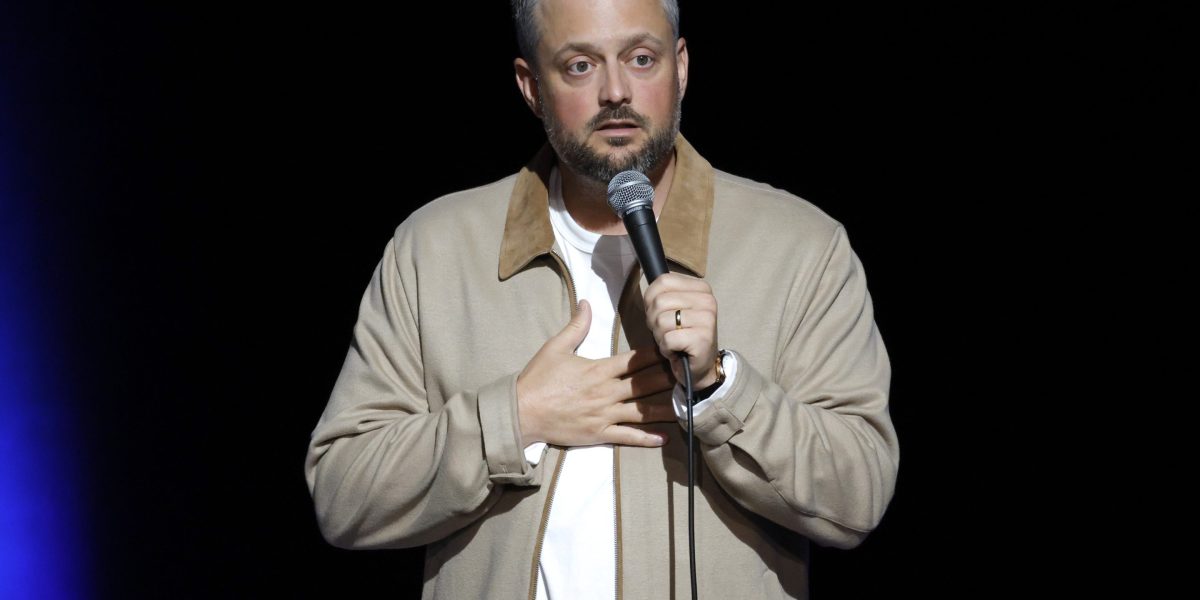
Nate Bargatze's career has taken an unexpected turn, from reading water meters for a living to headlining arenas across the country. His path helps explain why Ford recently enlisted the comedian to advocate for skilled-trades careers at a time when the U.S. faces a critical shortage of electricians, technicians, and other hands-on workers essential to keeping the physical economy running.
What Happened
Bargatze's Big Dumb Eyes World Tour recently surpassed 2.016 million tickets sold, earning a Guinness World Record for the most tickets sold by a stand-up comedy tour. Pollstar named him the highest-grossing stand-up comic of 2025, with $77.5 million in reported ticket sales. Outside the comedy circuit, he's planning Nateland, a $350 million theme park in Tennessee. His rise also includes early moments on Marc Maron's WTF podcast, notably a 2012 garage session and a 2013 live appearance at South by Southwest, which helped build his profile. Ford tapped Bargatze as a spokesperson for the Ford Pro dealership business, using his story to highlight the value of noncollege pathways into stable, skilled work.
Why This Matters
The skilled-trades labor gap is significant: nearly a quarter of the current workforce is 55 or older, while only 11 percent are under 25. Ford has pledged $300 million in 2026 toward trades training, with CEO Jim Farley calling skilled trades the backbone of the American Dream. Bargatze, who did not pursue college, relates to the appeal of learning a trade on the job. He has spoken about artificial intelligence's role in work, noting that while AI can make information more accessible and assist with preliminary research, it cannot replace the need for workers who must be physically present to install, maintain, and repair systems. He told Fortune the workers will be very protected.
Key Takeaways
- Bargatze's journey from water meter reading to arena stardom demonstrates that nontraditional routes can lead to rewarding, well-compensated careers.
- The U.S. needs approximately 1.7 million new skilled-trades workers each year through 2035, yet current training pipelines deliver only about 55 workers for every 100 openings.
- Ford's $300 million commitment and high-profile spokesperson role underscore a major corporate effort to close the labor gap.
- Bargatze's views on AI suggest the technology will support rather than substitute hands-on jobs, making research more accessible while preserving the necessity of physical presence on the job.
- As digital content dominates daily life, Bargatze's emphasis on live experiences from comedy tours to his upcoming theme park reflects a growing appetite for in-person, irreplaceable moments.
Conclusion
Nate Bargatze's story intersects comedy, business, and the urgent need for skilled labor. His support for trades careers, paired with a realistic take on AI's boundaries, offers a compelling perspective on which jobs will matter most in the coming decades. As audiences increasingly value live, tangible experiences, demand for hands-on expertise may continue to rise.



Discussion
Join the conversation
Thoughtful reactions, questions, and follow-up ideas help shape the next story.