Introduction
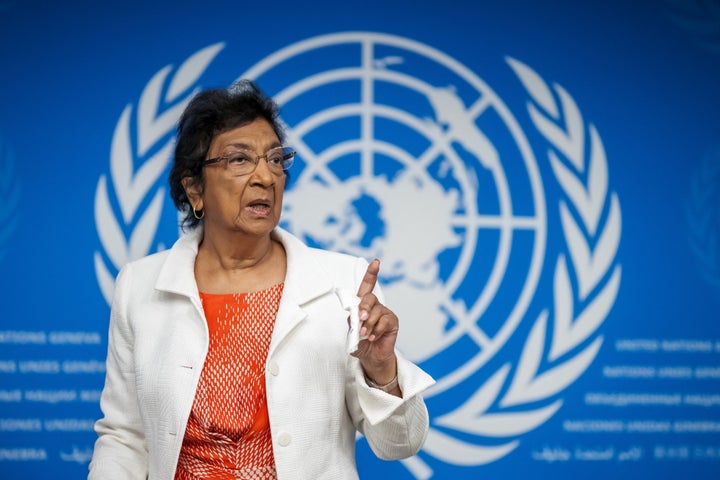
Navi Pillay, the 85-year-old South African-born jurist and former United Nations human rights chief, was honored with the 2026 Nobel Peace Prize for her enduring commitment to international law and human dignity. The announcement, made in Oslo, Norway, marks a significant moment for global justice advocacy.
What Happened
Pillay received the Nobel Peace Prize on Friday during a ceremony at the Nobel Institute, where Committee Chair Jørgen Watne Frydnes highlighted her work as a source of hope and inspiration. The decision follows her leadership of a UN-backed commission that concluded Israel committed genocide in Gaza, with specific intent to destroy Palestinians. Pillay's recognition also comes amid ongoing political pressure on international courts, including U.S. sanctions against the International Criminal Court.
Why This Matters
At a time when wars and conflicts are rising and judges of international law face political attacks, the Nobel Committee said the prize serves as a reminder that peaceful resolution depends on the international rule of law. Pillay's win underscores the importance of independent judicial bodies holding powerful actors accountable, even as major governments challenge the legitimacy of such institutions.
Key Takeaways
- Pillay, 85, is the latest laureate honored for advancing peace through legal advocacy.
- Her chairing of the Commission of Inquiry on Palestine brought global attention to genocide allegations in Gaza.
- The Nobel Committee's message reinforces support for international legal systems under siege.
- The prize includes 12 million Swedish kronor, roughly $1.2 million.
- Other Nobel categories were announced earlier in the week, setting a broader context for the peace prize's timing.
Conclusion
Navi Pillay's Nobel Peace Prize win reaffirms the enduring power of international law to inspire hope and drive accountability. As global conflicts persist and institutions face unprecedented scrutiny, her recognition stands as a testament to the vital role of independent jurists in the pursuit of lasting peace.








Discussion
Join the conversation
Thoughtful reactions, questions, and follow-up ideas help shape the next story.