Introduction
The Nigeria Democratic Congress has entered the debate surrounding President Bola Tinubu's latest $7.7 billion external borrowing request, igniting discussion over the nation's rising debt profile. As the proposal moves through legislative channels, attention focuses on its implications for Nigeria's fiscal trajectory and the role of voters in the upcoming 2027 general elections.
What Happened
President Tinubu formally submitted a request for a $7.7 billion (approximately N10.79 trillion at the current exchange rate) external loan to part-finance the 2026 budget deficit. The request, conveyed in a letter dated October 26, 2026, was read by Senate President Godswill Akpabio during Wednesday's plenary session. This replaces an earlier, larger proposal of $20.52 billion and €1.05 billion that the administration withdrew after facing public and legislative scrutiny. The Senate has since referred the new proposal to its relevant committees for further consideration.
Why This Matters
Critics, including the Nigeria Democratic Congress, argue that the borrowing spree deepens the nation's debt burden and mortgages the economic future of coming generations. The party's National Presidential Campaign Council described the pattern as a One Week! New Loan cycle, underscoring the urgency of demanding transparent fiscal policies. Beyond immediate fiscal implications, the controversy underscores the growing call for accountability, responsible governance, and a shift toward people-powered change through the ballot box.
Key Takeaways
- The $7.7bn request would significantly increase Nigeria's external debt commitments, raising sustainability concerns among economists and opposition groups.
- The NDC has urged Nigerians to use their voting power in the 2027 elections to demand fiscal responsibility and accountability from elected officials.
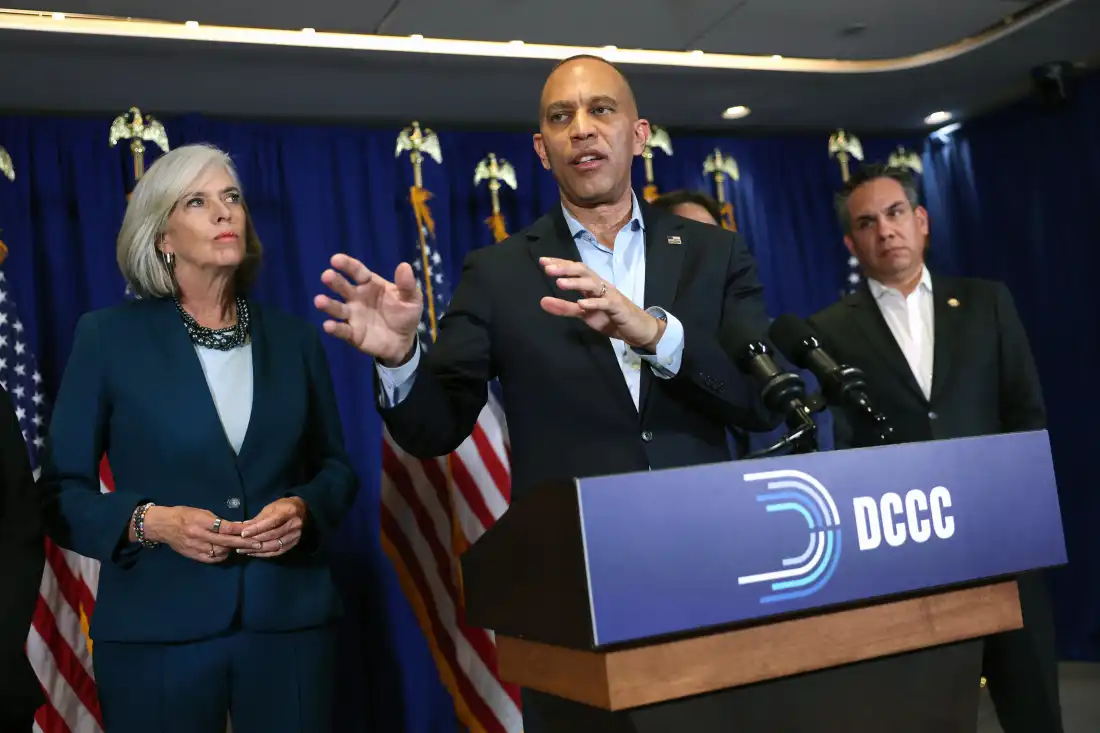
- Comparisons to voter turnout in the United States' November 2026 elections highlight the power of participatory democracy as a model for Nigerian citizens.
- The Senate's referral of the proposal to committees indicates a formal, though potentially procedural, path toward approval or rejection.
Conclusion
As Nigeria grapples with the implications of another major external loan, the emphasis remains on informed civic engagement and demanding prudent management of public resources. The upcoming elections present a pivotal opportunity for voters to shape the country's fiscal future and reject unsustainable borrowing practices. Ultimately, the path forward depends on whether leaders prioritize transparent, accountable governance or continue down a path of debt-dependent financing.





Discussion
Join the conversation
Thoughtful reactions, questions, and follow-up ideas help shape the next story.