Introduction
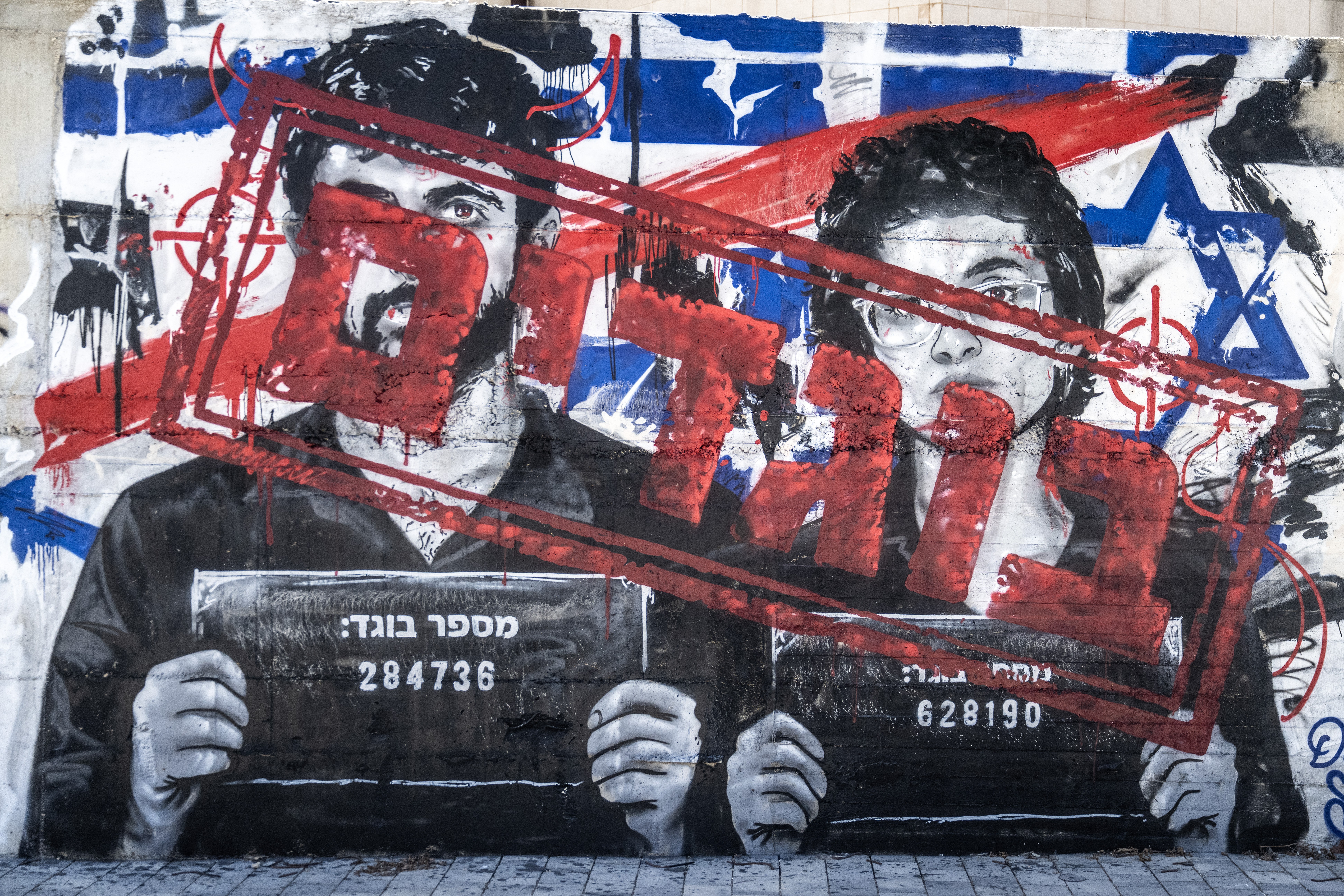
Israeli Prime Minister Benjamin Netanyahu has intensified controversy by threatening to revoke citizenship of two Jewish filmmakers behind the documentary NAZA, a move that reveals how fragile national belonging can become when political dissent collides with state power.
What Happened
The documentary NAZA, co-directed by Yuval Abraham and Rachel Szor, emerged from three years of secret production and anonymous interviews with Israeli military and intelligence personnel. The film reportedly details extensive confessions of participation in the mass targeting and killing of Palestinian civilians, centering on an Israeli military system designed to assess collateral damage. One anonymous confessor in the film notes the system can map every building in Gaza and predict what civilians may be killed in an airstrike, with one instance citing a strike calculated to kill 500 Palestinians without distinguishing between adults and children. Netanyahu's September 16 social media video announced plans to strip citizenship from anyone who defames IDF supporters abroad, accompanied by a twentyfold increase in defamation fines to nearly $330,000. The filmmakers, both born in Israel with no Palestinian ancestry, now face the unprecedented prospect of having their nationality questioned merely for producing a critical work.
Why This Matters
The controversy extends far beyond two directors. Historical analysis reveals that revoking Israeli citizenship has largely targeted Palestinian citizens, with Jewish revocations rare and typically rejected by the Supreme Court. The Law of Return, intended to grant Jewish people worldwide a right to settle in Israel, has historically been paired with restrictive citizenship definitions that can be weaponized against dissent. Critics argue the current push reflects a broader love it or leave it mentality, where opposition to government policy is equated with disloyalty. If implemented, the precedent could reshape who counts as Israeli and under what conditions citizenship can be unilaterally stripped.
Key Takeaways
- The NAZA documentary has become a flashpoint for debates over Israeli citizenship, military accountability, and freedom of expression.
- Netanyahu's proposal would mark the first time a sitting Israeli leader actively advocates stripping citizenship from Jewish citizens for artistic or political critique.
- Historical precedent shows citizenship revocation in Israel has predominantly affected Palestinian citizens, making this shift legally and socially significant.
- The move reignites discussions about the Law of Return, the Citizenship Law, and how broadly security exceptions can be applied.
- Legal experts note the Israeli Supreme Court has previously blocked similar attempts, but a future aligned court could greenlight such actions.
Conclusion
As the North American premiere of NAZA approaches at the New York Film Festival, the filmmakers find themselves treated by their own government much like Palestinian citizens have been for decades: as though their citizenship is conditional, contingent on political conformity. Whether the citizenship revocation plan gains traction remains uncertain, but the episode already reveals how quickly national belonging can be framed as a political weapon and why the stakes extend well beyond a single documentary.



Discussion
Join the conversation
Thoughtful reactions, questions, and follow-up ideas help shape the next story.