Introduction
Nevada's 2nd Congressional District has long been considered a reliably Republican stronghold, but the 2026 midterm cycle has turned the race into one of the most competitive contests in the state. A combination of a controversial Republican nominee and a well-organized Democratic challenger has turned heads across the political landscape.
What Happened
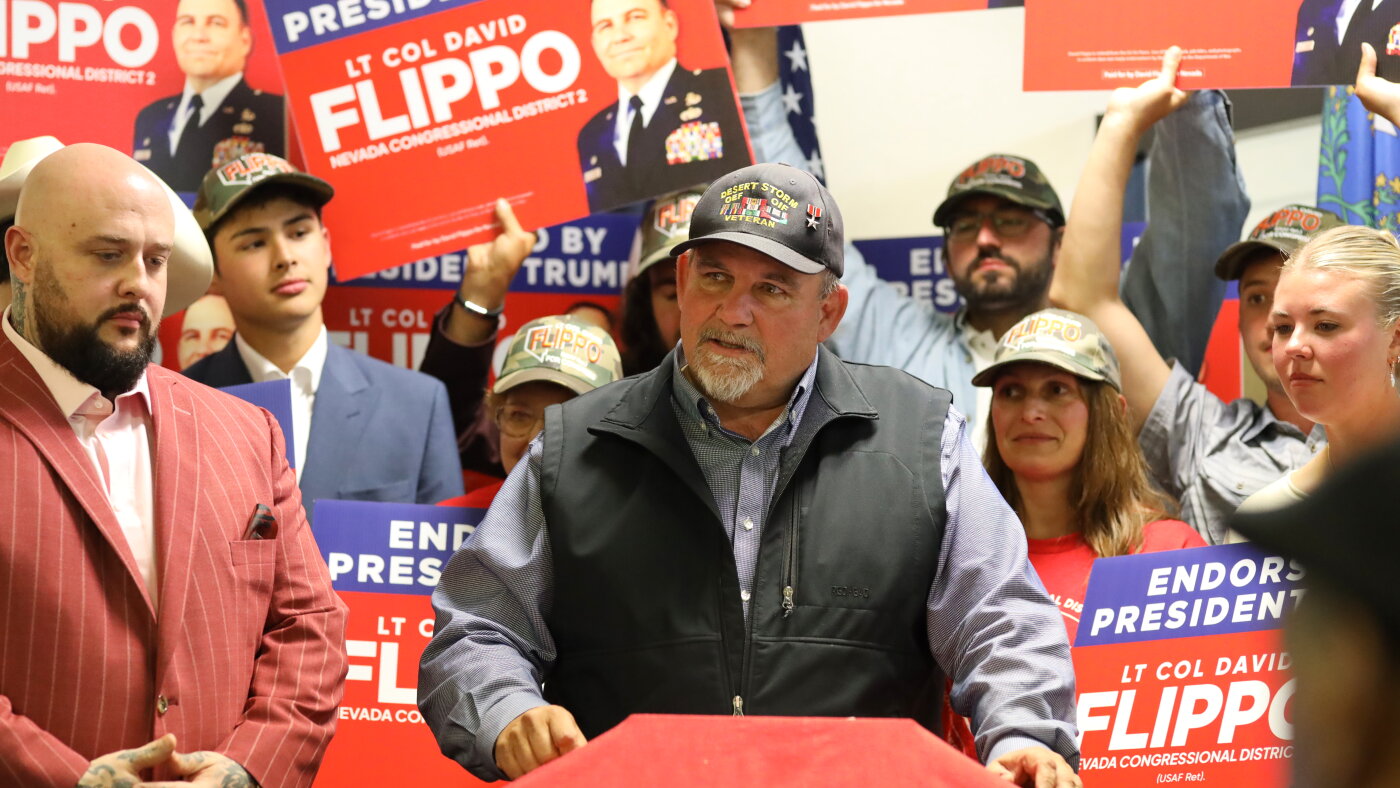
David Flippo, a Republican candidate with a 24-year Air Force background, entered the race for an open Nevada House seat after the incumbent announced retirement. His campaign quickly ran into controversy when outlets reported that he exaggerated his military decorations, claiming a Bronze Star with V for valor when his unit received the award collectively. Flippo attributed the mix-up to young staff and grandchildren rearranging pins on his campaign hat, an explanation that drew both skepticism and headlines.
The Democratic nominee, Teresa Benitez-Thompson, leaned into her deep roots in the district, emphasizing affordability and kitchen-table issues while campaigning alongside voters from across the political spectrum. Republican strategists and outside PACs poured six-figure ad buys into the district, signaling that party leadership views the contest as genuinely winnable for the opposition.
Why This Matters
The race challenges the notion of safe seats, showing how candidate credibility and local connection can reshape electoral dynamics. Flippo's military narrative and the V pin controversy have become central themes, with voters weighing personal integrity against party loyalty. Meanwhile, Benitez-Thompson's message of affordability and cross-district outreach highlights the shifting priorities of Northern Nevada residents.
- Military service claims are under intense scrutiny in congressional races.
- Outside spending and PAC ad buys often signal a race's true competitiveness.
- Voter concerns about cost of living and affordability are driving campaign messaging.
Key Takeaways
Even in a district that voted for Donald Trump by 14 points just two years ago, the combination of a carpetbagger label, military service questions, and a disciplined Democratic challenge has forced Republicans to spend heavily to protect the seat. The outcome may set a precedent for how future candidates navigate service records and district residency in closely watched battlegrounds.
Conclusion
As the midterms approach, all eyes will be on Nevada's 2nd District to see whether the competitive surge sticks or if the incumbent's party machinery can restore the status quo. Whatever the result, the race offers a case study in how candidate history, voter concerns, and outside money intersect in modern congressional contests.



Discussion
Join the conversation
Thoughtful reactions, questions, and follow-up ideas help shape the next story.