Introduction
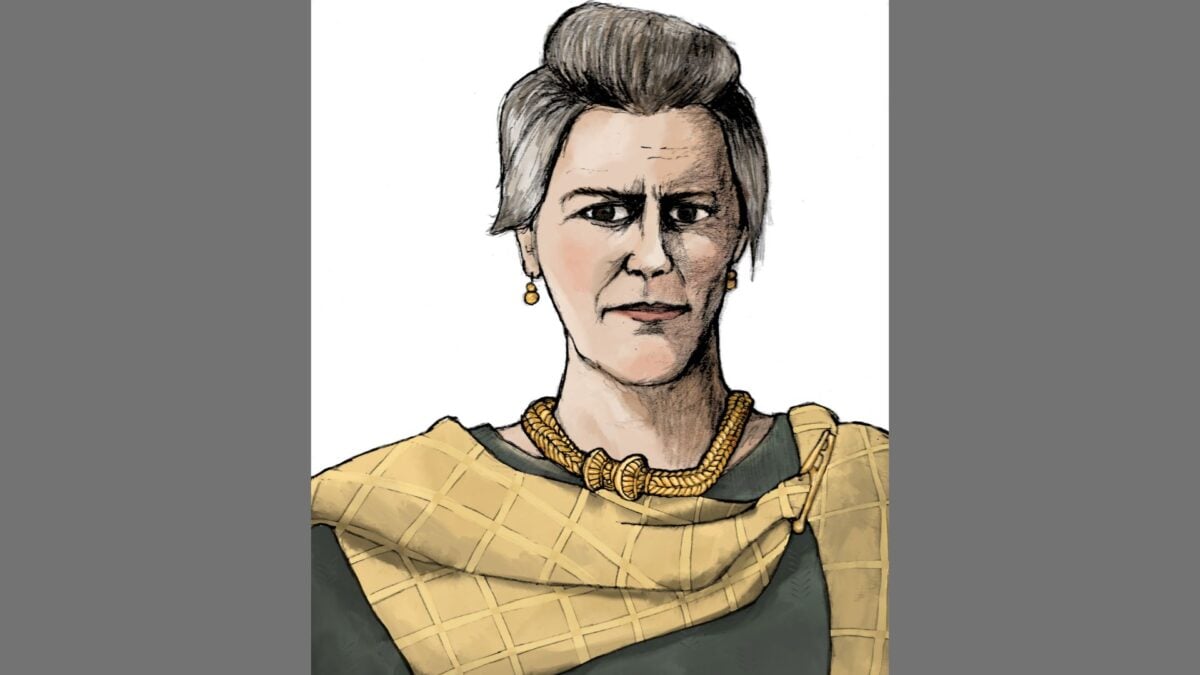
\nArchaeologists are reexamining one of the Iron Age’s most discussed figures after concluding that Verica, long portrayed as a male king, was likely a woman. The reassessment comes from Bournemouth University researchers who argue that centuries of misgendering have obscured Verica’s true role in Britain’s transition to Roman rule.
\nWhat Happened
\nVerica governed the Atrebates tribe in southern Britain during the late Iron Age, a period defined by the spread of ironworking and increasing social complexity. Around 40 CE, Verica was displaced from power and sought refuge in Rome, where they allegedly convinced Emperor Claudius to authorize an invasion of Britain. This appeal is widely credited with triggering the Roman conquest that established the province of Britannia.
\nNumismatic evidence forms the core of the reassessment. Coins attributed to Verica carry the inscription Rex, a term Russell notes is gender-neutral. More compelling, however, is a gold coin depicting a bare-breasted female warrior on horseback, spear raised. No other Iron Age British coinist featured such imagery, making Verica's iconography distinct.
\nWhy This Matters
\nIf Verica's gender is correctly identified, the political landscape of Iron Age Britain shifts to include three powerful female leaders: Cartimandua of the Brigantes, Boudica of the Iceni, and Verica herself. Russell argues that Verica may be the most significant, as without her appeal to Rome, the invasion may never have occurred.
\nThe reassessment also aligns with broader archaeological DNA evidence suggesting a matrilocal society, where men joined their wives' communities and land likely passed through the female line. Earlier Roman historians, including Cassius Dio, omitted Verica's gender specifics, and later scholars may have defaulted to male assumptions shaped by contemporary biases.
\nKey Takeaways
\n- \n
- Verica's likely gender shift redefines a key figure in Britain's pre-Roman political landscape. \n
- Unique coin imagery featuring a female warrior sets Verica apart from all other Iron Age British mintmasters. \n
- Verica's appeal to Claudius directly precipitated the Roman invasion of Britain. \n
- Verica joins Cartimandua and Boudica as a documented woman who wielded significant political power. \n
- Emerging DNA evidence supports a matrilocal society, suggesting women held central roles in land and lineage. \n
Conclusion
\nVerica's story underscores how much of early British history has been filtered through later male-centric lenses. As new evidence and analytical methods emerge, the narrative of Iron Age Britain is becoming more nuanced, giving due weight to women's agency in shaping political outcomes. Russell encourages readers to approach ancient accounts with skepticism and an openness to reinterpretation.
Discussion
Join the conversation
Thoughtful reactions, questions, and follow-up ideas help shape the next story.