Introduction
Nigeria’s Ministry of Defence has entered into advanced discussions with the European Union regarding the delivery of a €20 million defence assistance package. The talks, held in Abuja, aim to finalize how the bloc will provide non-lethal equipment, technical training, and maintenance support to the Nigerian Armed Forces. The package represents the EU’s first bilateral defence support initiative for Nigeria and is being coordinated under the European Peace Facility.
What Happened
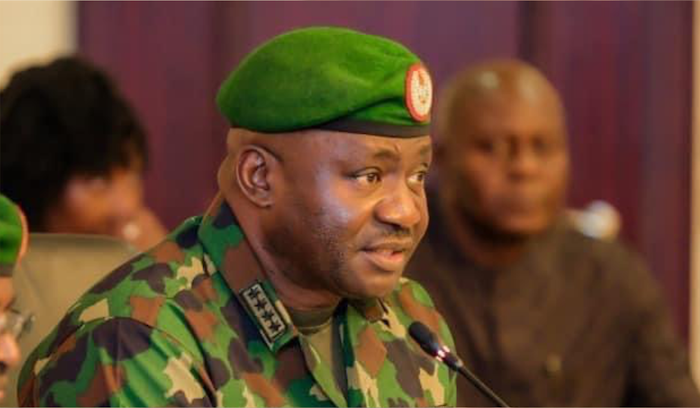
Retired General Christopher Musa, Nigeria’s Minister of Defence, met with a delegation from the European External Action Service led by Claire Gaudin. According to a statement from Leah Katung-Babatunde, Special Assistant to the Minister on Media, the meeting focused on implementation details for the €20 million facility. The support will cover Counter-Improvised Explosive Device equipment, Counter-Unmanned Aircraft Systems, night vision gear, and individual protective equipment for troops. The package was initially announced in October during talks between Musa and EU Ambassador Gautier Mignot, and the November meeting advances plans for delivery.
Why This Matters
The assistance arrives as Nigerian forces continue counter-terrorism operations in the Lake Chad Basin and other insecure regions. By prioritizing non-lethal support, the EU is helping Nigeria strengthen field operations without supplying weapons. The initiative also fits within broader regional stabilization efforts, including work through the Multinational Joint Task Force. For Nigeria, the package offers an opportunity to modernize capabilities while the government simultaneously pushes for greater indigenous defence production and reduced reliance on foreign military suppliers.
Key Takeaways
- The EU’s €20 million package is its first bilateral defence support programme for Nigeria.
- Support is limited to non-lethal items such as protective gear, night vision equipment, and technical maintenance.
- Discussions were led by Defence Minister Christopher Musa and EEAS representative Claire Gaudin in Abuja.
- The initiative falls under the European Peace Facility, which currently supports 30 beneficiaries worldwide.
- Nigeria hopes future phases may include military medical services and advanced surveillance capabilities.
- The government has asked the EU to support local defence production lines following the recent Africa Defence Exhibition.
Conclusion
The latest Abuja talks signal a deepening security partnership between Nigeria and the European Union, even as both sides navigate the specifics of equipment delivery and training schedules. While the current package focuses on non-lethal assistance, Nigerian officials have signaled interest in expanding cooperation into medical support and surveillance in the future. At the same time, the federal government remains committed to building domestic defence capacity, suggesting that EU support may serve as one component of a broader national security strategy.
Discussion
Join the conversation
Thoughtful reactions, questions, and follow-up ideas help shape the next story.