Introduction
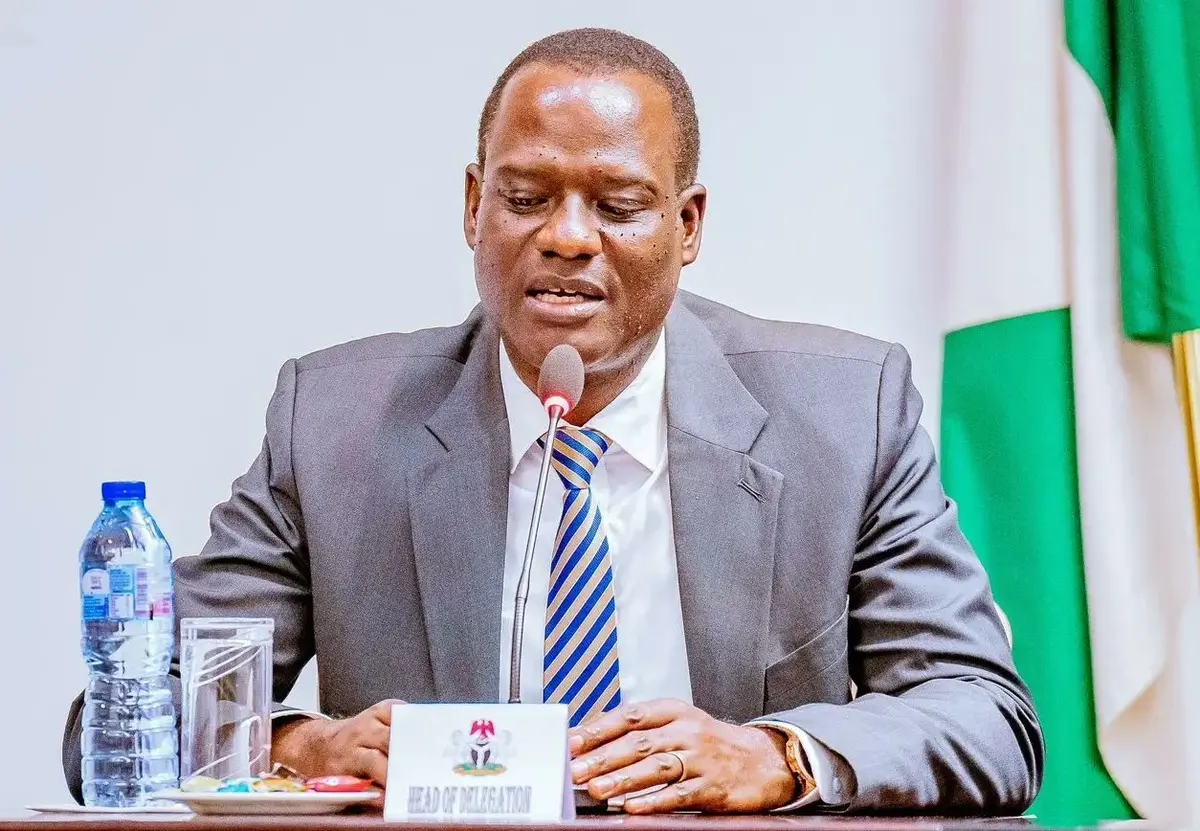
Nigeria is pushing for a continent-backed peace initiative worth $10 billion, arguing that the African Union must rely less on external donors and more on its own resources. Finance Minister Taiwo Oyedele presented the proposal during a gathering of African finance leaders in Accra, Ghana, framing it as a long-term strategy to secure the union’s financial future.
What Happened
At the 27th Extraordinary Session of the AU Executive Council on Financing the Union, Oyedele outlined a vision for a $10 billion African Union Peace Fund to be built over ten years. The fund would draw on levies from member states, philanthropic contributions, and African private capital, with returns managed under sovereign wealth fund principles to support peace operations across the continent.
The proposal exceeds the $1 billion target currently under discussion, though Nigeria said it remains open to the smaller figure as a starting point. Oyedele also pointed to a stark funding imbalance: African governments cover roughly one-quarter of the AU’s regular budget and only about 4 percent of programme costs, far below the union’s 75 percent self-financing goal.
Why This Matters
With international development assistance shrinking, the AU faces growing pressure to fund its own agenda. Oyedele warned that declining aid makes domestic resource mobilisation urgent rather than optional. Nigeria’s proposal ties the peace fund to three guiding principles: fiscal discipline, institutional efficiency, and smarter use of financial leverage.
The minister also identified 29 overlapping functions within the AU that could be streamlined, potentially saving up to $36 million. He called for the commission to act on pending audit recommendations and explore new income streams, such as revenue from AU-owned real estate.
Key Takeaways
- Nigeria proposes a $10 billion AU Peace Fund to be established over the next decade.
- The fund would be financed through member-state levies, philanthropy, and African capital.
- Returns would be managed like a sovereign wealth fund, with only interest used for peace initiatives.
- Member states currently fund just 25 percent of the AU budget and 4 percent of programmes.
- Nigeria wants a concrete implementation plan and progress report at the AU’s 2027 mid-year session.
- The proposal targets $779 million in member contributions by 2031, nearly four times the current level.
- Streamlining 29 duplicated AU functions could save up to $36 million.
Conclusion
Nigeria’s push for a $10 billion peace fund reflects a broader push for African financial sovereignty at a time when traditional aid is becoming less reliable. Whether the AU adopts the larger figure or starts with the existing $1 billion target, the Accra discussions signal a shift toward self-reliance. The real test will be turning these proposals into a funded, workable plan by 2027.
Discussion
Join the conversation
Thoughtful reactions, questions, and follow-up ideas help shape the next story.