Introduction
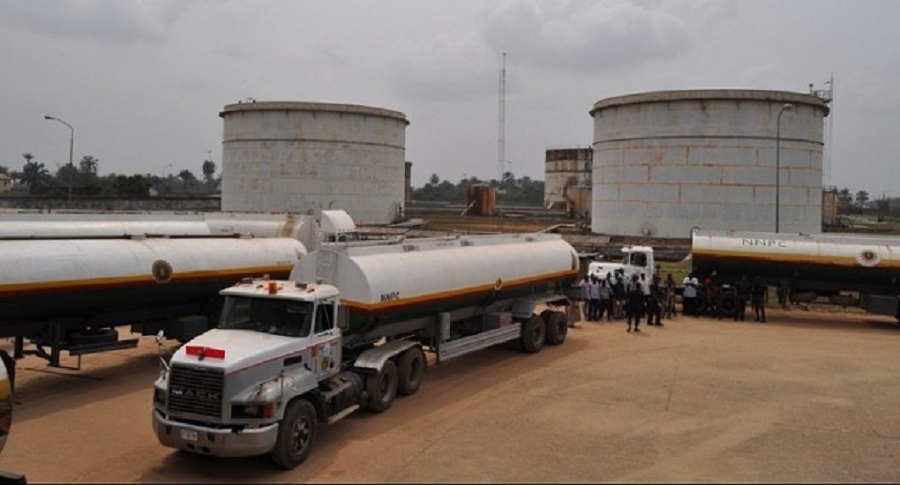
Edible oil tanker drivers across Nigeria have threatened industrial action beginning September 22, citing ongoing disputes over union jurisdiction and operational interference. The action could disrupt the distribution of food-grade petroleum products in key markets.
What Happened
The National Union of Edible Oil Tanker Drivers of Nigeria (NUEOTDN) announced the strike threat after alleging that the Petroleum Tanker Drivers branch of the Nigeria Union of Petroleum and Natural Gas Workers (NUPENG) has encroached on its authority, harassed its members, and disrupted its operations. General Secretary Tajudeen Usman stated at a Lagos news conference that the conflict centers on competing claims over which union holds rightful jurisdiction over edible oil transportation.
According to the union, the dispute stems from alleged overreach by the PTD branch of NUPENG, which NUEOTDN says has operated outside its designated scope. The union has reportedly sought intervention from the Federal Ministry of Labour and Employment, the Ministry of Health, and various security agencies, but resolution has not been reached.
- NUEOTDN leaders say the interference threatens the safe and hygienic transport of food-grade products.
- The union has demanded dedicated edible oil tankers, arguing that using petroleum-certified vessels raises food-safety concerns.
- Lagos State previously introduced a ban on petroleum tankers in the edible oil chain following a stakeholder agreement earlier this year.
Why This Matters
A strike by edible oil tanker drivers could significantly impact food supply chains, particularly in Lagos and other major urban centers where distribution networks rely on timely deliveries. The controversy also highlights broader tensions between specialized unions and broader petroleum-focused labor groups in Nigeria's transportation sector.
Regulatory bodies including NAFDAC have previously warned about substandard and unregistered edible oils circulating in Nigerian markets, emphasizing that proper transportation standards are essential for public health. The current dispute unfolds against that backdrop, making the outcome relevant for consumer safety as well as industry stability.
Key Takeaways
- The strike threat is scheduled to begin at midnight on September 22 if the dispute remains unresolved.
- NUEOTDN is demanding dedicated, food-grade certified tankers for edible oil transport.
- Lagos State has already prohibited the use of petroleum tankers in edible oil distribution following a May agreement with industry stakeholders.
- The Nigeria Labour Congress Lagos Council has called on the federal government to intervene and clarify union jurisdictions.
- NAFDAC's 2025 warning about unregistered edible oils underscores the importance of regulated transportation for consumer protection.
Conclusion
With the September 22 deadline approaching, stakeholders across Nigeria's edible oil sector are watching closely to see whether the government and union leadership can reach a negotiated settlement. The outcome will likely affect supply chain reliability, regulatory enforcement, and the ongoing effort to balance labor rights with food-safety standards in the country's transportation industry.



Discussion
Join the conversation
Thoughtful reactions, questions, and follow-up ideas help shape the next story.