Introduction
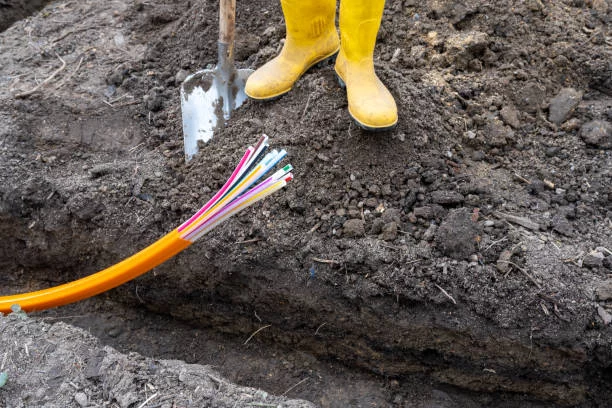
Nigeria's digital economy is facing a growing crisis as fibre optic cuts continue to disrupt connectivity across the country. Despite a 2024 government order aimed at protecting telecom infrastructure, the number of severed cables has risen sharply, threatening network reliability, investor confidence, and everyday internet users.
What Happened
In June 2024, President Bola Tinubu signed the Designation and Protection of Critical National Information Infrastructure Order, classifying fibre lines, base stations, and data centres as vital national security assets. The move was intended to deter vandalism and improve coordination between construction firms and telecom operators. However, two years later, the data tells a different story. MTN Nigeria recorded over 6,000 fibre cuts in 2023, averaging 16 to 17 severed lines per day. In the first seven months of 2025, that figure climbed to 5,478 cuts, pushing the daily average above 26. Across the broader industry, 19,384 cuts were recorded between January and August 2025, averaging 80 per day. In the first nine months of 2026 alone, networks suffered more than 44,000 fibre cuts, averaging over 160 every single day. The primary drivers remain uncoordinated road construction, ditch digging, and theft.
Why This Matters
Every severed cable has a ripple effect beyond temporary internet slowdowns. In the first half of 2026, direct repairs across 5,934 fibre incidents cost operators over ₦2.2 billion. A GSMA report shows MTN Nigeria spent ₦11.1 billion between 2022 and 2023 to repair and relocate 2,502 kilometres of fibre; funds that could have funded 870 kilometres of new greenfield fibre in underserved communities. Industry-wide, losses in 2023 alone reached an estimated ₦27 billion in direct repairs and lost revenue. With the ICT sector contributing ₦5.20 trillion (9.72%) to Nigeria's real GDP in Q2 2026, every cut cable represents an immediate drag on national economic output. Beyond finance, fibre cuts disrupt payment gateways, cripple mobile money transactions, and leave subscribers facing sluggish connections and failed transactions, especially as the NCC permitted tariff hikes of up to 50% to offset rising operational costs.
Key Takeaways
- The CNII Order has not stemmed the tide of fibre cuts; annual and monthly averages have increased since its introduction.
- Uncoordinated civil engineering projects, road expansions, and vandalism remain the primary causes of network disruption.
- Operators are forced to divert capital from network expansion to emergency repairs, slowing broadband rollout and increasing costs for consumers.
- Enforcement gaps persist: the Nigeria Security and Civil Defence Corps has roughly 63,000 personnel across 774 local government areas, making dedicated protection of thousands of kilometres of buried fibre logistically impossible.
- Without tangible improvements in prosecution, coordination, and resource allocation, subscribers and the broader economy will continue to bear the cost of an unprotected digital backbone.
Conclusion
Nigeria's digital economy cannot afford the status quo. The CNII Order's success will be measured by fewer cuts, faster remediation, and lower repair bills. Until enforcement mechanisms are strengthened and stakeholders achieve dependable early coordination, telecom operators will keep burning capital on repeated fixes instead of expanding coverage, and subscribers will ultimately foot the bill for an infrastructure gap that affects everything from mobile banking to everyday browsing.
Discussion
Join the conversation
Thoughtful reactions, questions, and follow-up ideas help shape the next story.