Introduction
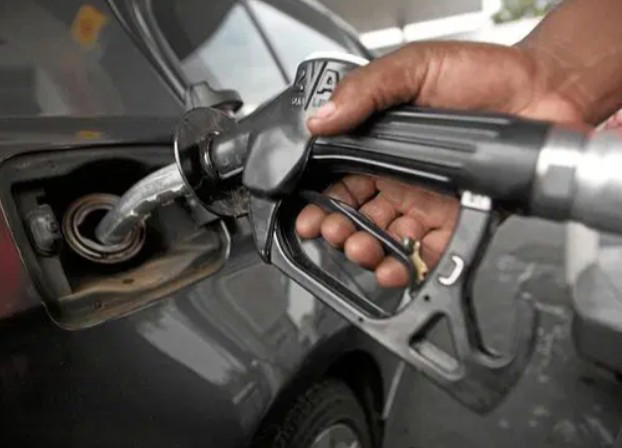
Nigerians are bracing for another round of economic pressure as fuel prices climb once more, squeezing household budgets and business operations across the country. New price adjustments from major refineries, driven by international crude trends and logistics costs, are set to raise the cost of petrol and diesel in the coming weeks.
What Happened
Dangote Petroleum Refinery announced a 6.7 per cent increase in Premium Motor Spirit (petrol) gantry price, raising it to N1,350 per litre from N1,265, effective September 12, 2026. The adjustment follows rising crude oil prices and higher transportation expenses, particularly affecting inland markets that rely on coastal supply chains. Industry data shows the seven-day average Brent crude sitting at $98.74 per barrel and Bonny Light at $104.65, while domestic seven-day averages sit at N1,308.33 for petrol and N1,855.97 for diesel per litre. Coastal ex-depot prices range from N1,265.50 to N1,285 per litre, but inland markets face significantly higher costs. In Abuja, petrol could sell between N1,400 and N1,500 per litre, with some stations exceeding N1,500. Northern cities like Kano, Kaduna, and Jos may see prices between N1,450 and N1,600 per litre. Diesel prices are also climbing, with Lagos ex-depot rates between N1,790 and N2,100, and inland prices potentially reaching N2,100 to N2,400 per litre.
Why This Matters
Fuel price hikes ripple through every sector of the economy. Higher wholesale costs translate into increased transportation, distribution, and logistics expenses, which ultimately affect the price of food, goods, and services. For households, this means tighter budgets and reduced purchasing power, especially for low- and middle-income families already dealing with headline inflation of 15.43 per cent and food inflation above 20 per cent. Businesses across manufacturing, agriculture, and retail face higher input costs, which may lead to price increases, reduced profit margins, or scaled-back operations. Experts warn that if crude prices remain above $100 per barrel or the naira weakens, the pressure on consumers will intensify. Conversely, a stronger currency or lower international prices could provide some relief. The situation underscores how deeply Nigeria's economy is tied to global oil markets and domestic supply chain logistics.
Key Takeaways
- Dangote Refinery increased petrol gantry price by 6.7 per cent to N1,350 per litre, effective September 12, 2026.
- Seven-day average Brent crude was $98.74 per barrel, with Bonny Light averaging $104.65.
- Inland petrol prices are expected to range from N1,400 to N1,600 per litre, depending on location and supply costs.
- Diesel prices may reach N2,100 to N2,400 per litre in inland markets after distribution costs.
- Fuel price increases push up transportation, food distribution, and business operating costs, worsening inflationary pressure.
- Experts recommend targeted support for households, increased crude allocation to domestic refineries, and improved logistics to reduce vulnerability to international price swings.
Conclusion
Another fuel price adjustment means more strain on Nigerian households and businesses, particularly in inland and northern regions where logistics costs add a significant premium. While international market trends drive much of the movement, the impact at the pump depends heavily on supply chain efficiency, government policy, and exchange rate stability. Readers should monitor official price updates, watch for targeted intervention measures, and consider the broader economic context when planning budgets in the weeks ahead.


Discussion
Join the conversation
Thoughtful reactions, questions, and follow-up ideas help shape the next story.