Introduction
The Central Bank of Nigeria's decision to reduce its Monetary Policy Rate by 350 basis points has created significant movement across the nation's financial markets. Investors are adjusting portfolios as the adjustment reshapes opportunities across stocks, bonds, and bank earnings.
What Happened
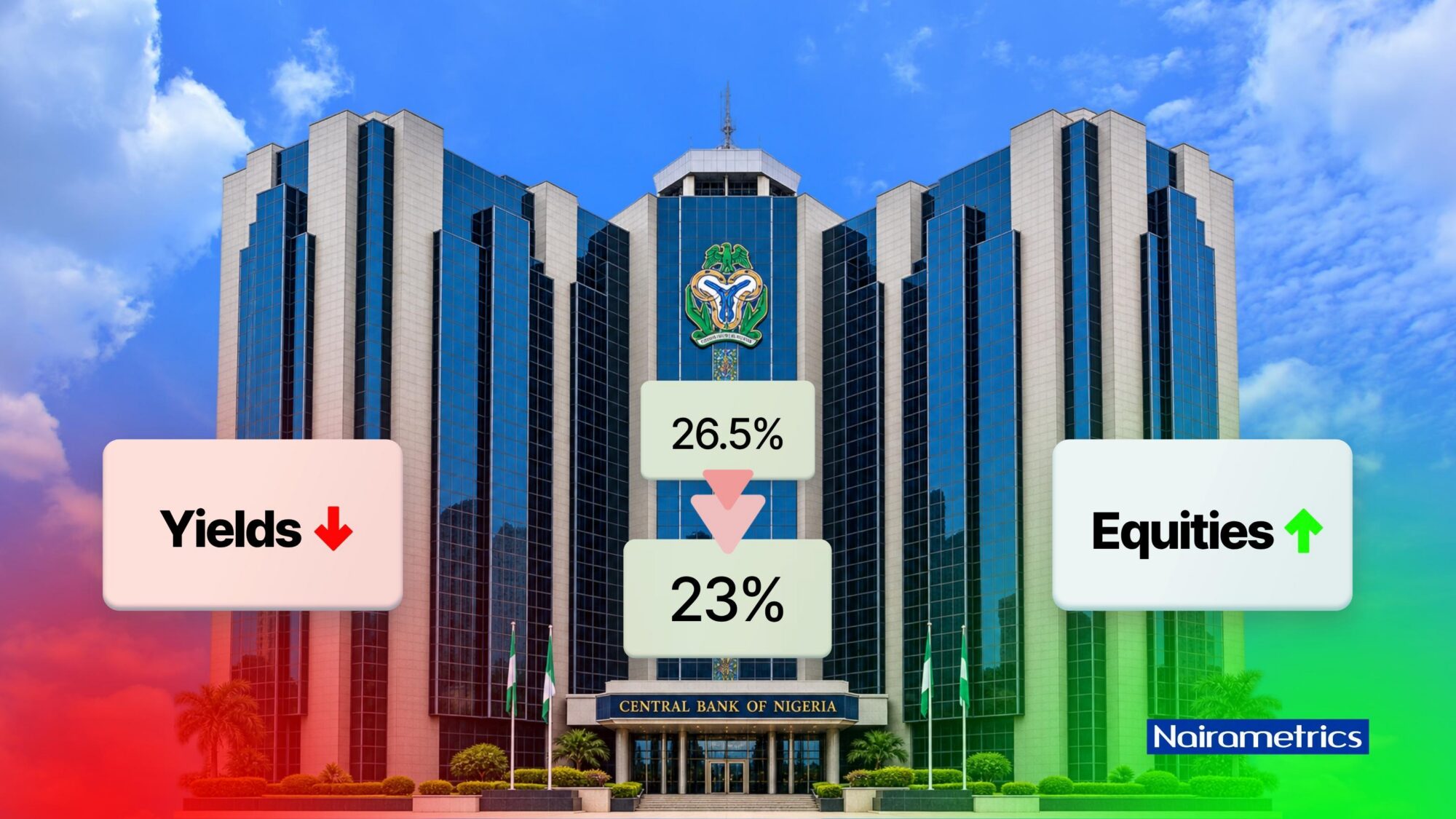
The Monetary Policy Committee lowered the benchmark rate from 26.5% to 23% in September, simultaneously resetting the standing facilities corridor to +50/-300 basis points. This configuration sets the Standing Lending Facility at 23.5% and the Standing Deposit Facility at 20%, while the Cash Reserve Requirement for Deposit Money Banks stays at 45%. Governor Olayemi Cardoso characterized the move as an operational reset designed to enhance monetary policy transmission rather than a stance change.
Why This Matters
With Treasury bill yields already on a downward trajectory—the 364-day stop rate dropping to 16.62% in September, marking its third consecutive decline—the rate cut speeds up a trend already in motion. For fixed-income investors, lower yields translate to reduced returns on new securities, while existing bonds with higher coupons may become more valuable in the secondary market. The Nigerian equities index has risen over 60% year-to-date, raising the question of how much further capital can rotate into stocks versus bonds.
As yield adjustments continue, if fixed-income yields decline materially, there's strong incentive for domestic investors to shift toward equities. However, with the market already at elevated levels, the rotation is expected to be selective rather than broad-based, favoring companies with robust earnings profiles and solid financial positions.
Key Takeaways
- The 350-basis-point reduction is among the largest recent policy moves, occurring alongside already-declining Treasury bill yields.
- Fixed-income yields may face continued downward pressure, though the adjustment is likely less than the full 350bps because rates had already moved below the previous MPR.
- Equity rotation into stocks is possible but expected to favor companies with robust earnings profiles and solid financial positions, given the market's strong year-to-date performance.
- Bank earnings present a mixed picture: lower rates reduce the cost of short-term funding from the central bank, potentially encouraging more lending, but also pressure net interest margins on excess liquidity.
- Analysts highlight banking names like Zenith Bank, GTCO, UBA, Stanbic IBTC, and Access Holdings, along with cement giants Dangote and BUA, and consumer goods firms including BUA Foods, Dangote Sugar, Nestlé, and Champion as potential beneficiaries.
- Investors should monitor transmission through Treasury yields, bank lending rates, the naira exchange rate, and foreign portfolio flows for signs of broader economic impact.
Conclusion
The rate cut serves as a catalyst for market rebalancing, but the ultimate impact depends on how quickly policy changes flow through to lending, consumption, and growth. With equities already posting strong returns, the focus shifts from broad market participation to identifying companies that can convert lower financing costs into meaningful earnings improvement.



Discussion
Join the conversation
Thoughtful reactions, questions, and follow-up ideas help shape the next story.