Introduction
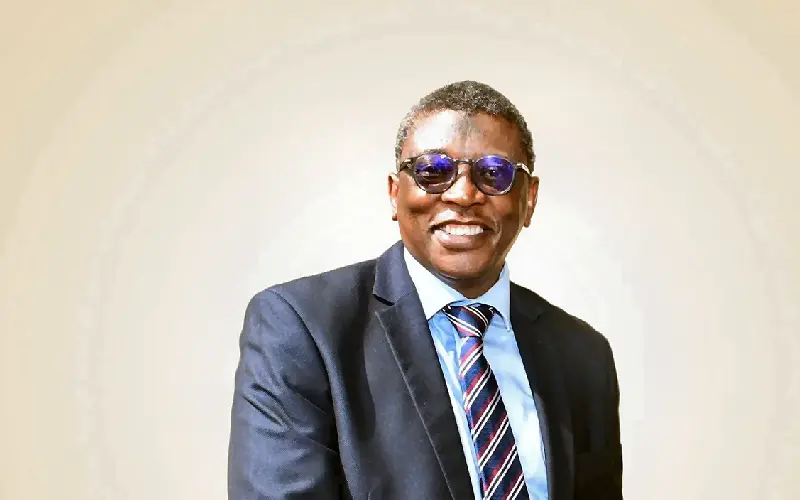
The Nigerian Economic Society (NES) is urging political actors across party lines to safeguard the country's current economic reform agenda as the 2027 general elections draw closer. Speaking at a national development forum in Abuja, NES President Dr. Baba Yusuf Musa warned that short-term political pressures could jeopardize hard-won macroeconomic gains. His remarks come at a time when Nigeria is balancing recent improvements in growth and inflation against persistent poverty and rising public debt.
What Happened
At the 2026 National Growth and Development Forum, hosted by Moneyline with Nancy on African Independent Television, Dr. Musa delivered a direct appeal to stakeholders at every level of government. Under the theme "The Nigeria We Want: The Economy, Your Money, Our Future," he called for fiscal discipline and policy continuity regardless of electoral considerations.
Musa specifically cautioned against using borrowing as a substitute for a coherent development plan. He argued that every public expenditure should be tied to clear outcomes, asking what problem it solves, who benefits, and how success will be measured.
The NES president pointed to several reforms already underway, including the removal of petrol subsidies, unification of the foreign exchange market, bank recapitalization, and tax changes. He described these as difficult but necessary steps. To support his case, he cited second-quarter 2026 economic growth of 4.43%, October inflation of 14.06%, external reserves near $55 billion, and a reduction in the monetary policy rate from 26.5% to 23%.
Why This Matters
Despite these indicators, Musa stressed that macroeconomic stability has not yet translated into shared prosperity for ordinary Nigerians. Citing World Bank data, he noted that about 63% of the population lived below the poverty line in 2025, with food inflation, weak industrial output, and informal employment continuing to strain households.
The warning is especially significant because election cycles in Nigeria have historically been associated with increased campaign spending and pressure on public finances. If political actors abandon fiscal discipline to win short-term approval, economists fear the country could reverse progress on inflation, exchange rate stability, and debt management.
Also speaking at the event, Presidential Economic Adviser Tope Fasua defended the administration's reform agenda, arguing that micro-level welfare gains depend first on macroeconomic stability. He warned against overreliance on cash transfers and monetary financing, referencing past Ways and Means advances.
Key Takeaways
- The NES is calling for fiscal discipline and policy continuity ahead of the 2027 general elections.
- Dr. Baba Yusuf Musa described debt as a financing tool, not a development strategy.
- Recent reforms include petrol subsidy removal, FX market unification, bank recapitalization, and tax reform.
- Q2 2026 growth reached 4.43%, while October inflation eased to 14.06%.
- External reserves stand at approximately $55 billion, and the monetary policy rate has fallen to 23%.
- About 63% of Nigerians were living below the poverty line in 2025, according to World Bank estimates cited by the NES.
- The Society proposed a national development compact involving government, business, academia, media, and citizens.
- Public debt rose from N87.38 trillion in mid-2023 to N159.28 trillion by the end of 2025.
Conclusion
As Nigeria moves toward the 2027 polls, the NES message is clear: economic policy should not be sacrificed for electoral convenience. While recent macroeconomic improvements offer a foundation, the society argues that lasting prosperity requires disciplined public spending, job-creating growth, affordable credit, domestic production, and investment in human capital. Whether political leaders heed this call could shape not only the next election but the country's long-term economic trajectory.
Discussion
Join the conversation
Thoughtful reactions, questions, and follow-up ideas help shape the next story.