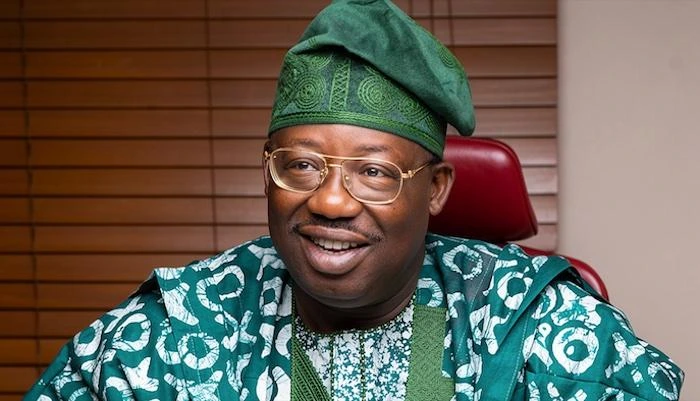
Nigeria is entering the final stretch of 2026 with a central question hanging over Abuja: can stronger macroeconomic numbers actually translate into finished roads, functioning clinics, and jobs? In a recent interview with Nairametrics, Hon. Dele Kelvin Oye, Chairman of the Alliance for Economic Research and Ethics, argues that the answer depends on whether the federal government fixes its budget delivery problems before the 2027 appropriation cycle begins. Oye’s assessment covers revenue performance, deficit financing, capital spending, and the growing debt burden, offering a roadmap for policymakers who want the next budget to deliver visible results rather than just large figures on paper.
Introduction
The 2026 Appropriation Act received presidential assent on April 17, though the Presidency said it took effect on April 1. That gap compressed the implementation window. Early economic data showed some improvement: real GDP grew 3.89 percent year-on-year in the first quarter and 4.43 percent in the second, while headline inflation eased from 15.91 percent in June to 14.63 percent in September under the rebased consumer price index.
On the fiscal side, the picture is more complicated. The President’s original December 2025 proposal sought N58.18 trillion in spending, but the approved budget expanded to roughly N68.32 trillion, with projected revenue of about N36.87 trillion and a deficit near N31.46 trillion. The government plans to finance much of that gap through N29.22 trillion in combined domestic and external borrowing, plus project-tied loans and privatisation proceeds.
Capital spending illustrates the execution gap. Although the budget allocates about N32.29 trillion to capital projects—nearly half of total spending—the Budget Office reported that implementation of the 2026 ministerial capital budget had not begun by June 30, as agencies were still spending down extended 2025 funds. Meanwhile, total public debt stood at N166.79 trillion (about US$120.93 billion) at the end of June 2026, up from N87.38 trillion three years earlier.
What Happened
Macroeconomic stability means little to a manufacturer whose inputs stall on an unfinished road or a farmer whose produce spoils before reaching a market. Oye stresses that GDP growth and lower inflation must be matched by completed infrastructure, reliable public services, and lower business costs. Without that link, improved indicators risk remaining abstract statistics rather than lived improvements for households and enterprises.
The overlap between budget cycles adds another layer of risk. The 2025 capital appropriation was extended through legislative changes to December 31, 2026, meaning old commitments are running alongside the 2026 budget. This makes it harder to track which year funded which project and weakens public oversight. At the same time, high government borrowing needs can crowd out private sector credit, potentially making it more expensive for businesses to finance equipment or hiring.
Why This Matters
- The 2026 budget grew from a N58.18 trillion proposal to an approved N68.32 trillion, with a deficit of roughly N31.46 trillion.
- Capital allocation is about N32.29 trillion, but actual delivery has lagged, with 2026 ministerial capital spending at zero as of mid-year.
- Public debt reached N166.79 trillion by June 2026, raising concerns about debt-service pressure and fiscal space.
- Overlapping budget cycles and extended 2025 capital commitments complicate accountability and project tracking.
- Oye recommends five reforms for 2027: enforce the January-to-December financial year, make revenue assumptions independently testable, require project readiness before budget inclusion, sequence projects by completion priority, and enforce disciplined borrowing with quarterly disclosure.
Key Takeaways
As Nigeria prepares for 2027, Oye’s central message is that ambition must be backed by institutions, cash plans, and transparent reporting. He supports a gradual reduction in the consolidated debt-service-to-revenue ratio from about 49.5 percent in 2025 to 40 percent by 2028, not as a magic threshold but as a credible fiscal guardrail. For the remainder of 2026, he urges the government to close out the 2025 capital programme on schedule, avoid unfunded new commitments, and publish a realistic first-quarter cash plan before the next budget cycle begins.
Conclusion
Ultimately, a budget should be judged not by the figure printed on its cover, but by the schools opened, roads completed, clinics equipped, and businesses able to borrow and grow. That is the standard Nigerians are entitled to apply as the country moves toward 2027.
Discussion
Join the conversation
Thoughtful reactions, questions, and follow-up ideas help shape the next story.