Introduction
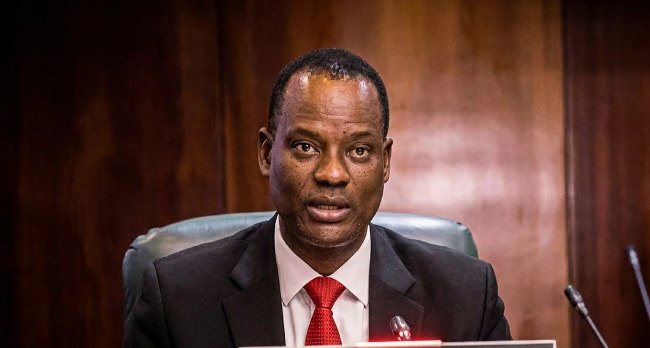
The Federal Government has positioned a $21.7 billion borrowing proposal as a strategic, multi-year investment in national assets rather than immediate consumption spending. Minister Taiwo Oyedele emphasized the plan's focus on infrastructure development and long-term economic growth during a post-Federal Executive Council briefing.
What Happened
According to the ministry, the $21.7 billion will be deployed over approximately five years, with $10.6 billion earmarked for critical transport corridors including the Sokoto-Badagry Highway, Lagos-Calabar Coastal Highway, and the Kano-Kaduna Metro Rail. Additional allocations include $3.3 billion for state-level projects and $1.45 billion for the Federal Capital Territory, while over $7.9 billion will come from multilateral and bilateral partners at an average interest rate of roughly 2.1 per cent.
Why This Matters
Oyedele argued that strategic borrowing to fund transformative assets creates net positive wealth for the country, contrasting it with harmful consumption-driven debt. The plan also supports wide-reaching social interventions, including N372.6 billion disbursed through NELFUND to over 1.5 million students, N600 billion reaching 10 million households, and single-digit interest loans extended to more than 800,000 MSMEs via the Bank of Industry.
Key Takeaways
- Transport infrastructure: $10.6 billion allocated to major highways and rail projects.
- Low-cost financing: Over $7.9 billion from development partners at ~2.1% interest.
- State and FCT funding: $3.3 billion for states and $1.45 billion for the Federal Capital Territory.
- Social impact: N372.6 billion for student loans, N600 billion for 10 million households, and 800,000 MSMEs supported through BOI.
- FEC approvals: Ten memos passed, including €155.9 million for power substations, $970 million for the Kano-Maradi rail line, €76.8 million for Bauchi road networks, and cargo inspection scanners for customs.
Conclusion
With a five-year horizon and a clear asset-focused framework, the borrowing plan aims to translate macroeconomic recovery into tangible microeconomic relief. The government pledged strict fiscal discipline through the 90-day execution framework, signaling a disciplined approach to debt and development.




Discussion
Join the conversation
Thoughtful reactions, questions, and follow-up ideas help shape the next story.