Introduction
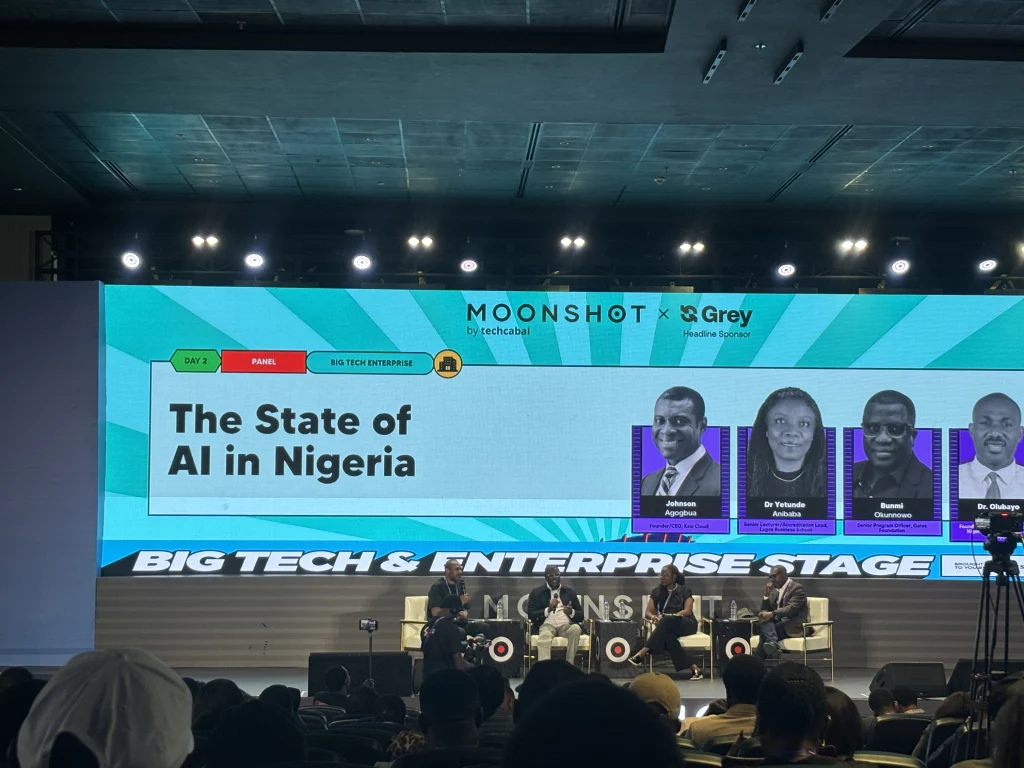
The artificial intelligence sector in Nigeria is growing rapidly, but experts caution that widespread adoption will only matter if the technology addresses challenges specific to local communities. A recent Moonshot session by TechCabal highlighted how important context is when deploying AI tools across the country.
What Happened
A session titled The State of AI in Nigeria featured Olubunmi Okunowo from the Gates Foundation, Johnson Agogbua of Kasi Cloud, and Dr Yetunde Anibaba of Lagos Business School, moderated by Dr Olubayo Adekambi of Data Scientists Network. Participants stressed that technical ability alone does not produce tools people can actually use; understanding the problem from the ground up is essential. A 2024 GSMA report reinforced this, noting that local data, skills, and infrastructure determine whether AI tools are built and used effectively, especially when local languages and working conditions are considered.
Why This Matters
The discussion concluded that Nigeria's AI progress will be judged by the local problems it solves. When AI ignores local realities, it risks excluding the very people it aims to serve. Founders were advised to work with domain experts from the start, design with end-users in mind, and account for cost, connectivity, and regulatory hurdles before launching any product.
Key Takeaways
- Technical skill must be paired with deep problem understanding to create AI tools that people actually use.
- Local data, skills, and infrastructure are non-negotiable foundations for AI that gets built and adopted in Nigeria.
- Healthcare and agriculture stand out as sectors where AI could significantly improve productivity and outcomes.
- Affordability and access remain critical barriers; policy clarity and infrastructure investment are needed to widen reach.
- Founders should engage domain experts early, build for the intended users, and plan for regulatory and cost considerations from day one.
Conclusion
As Nigeria positions itself in the broader AI landscape, the consensus is clear: lasting impact will come from technology built for, not just in, Nigeria. By centering local needs, leveraging domain expertise, and planning for access and regulation, AI can become a true engine for inclusive growth rather than a tool that widens existing gaps.




Discussion
Join the conversation
Thoughtful reactions, questions, and follow-up ideas help shape the next story.