Introduction
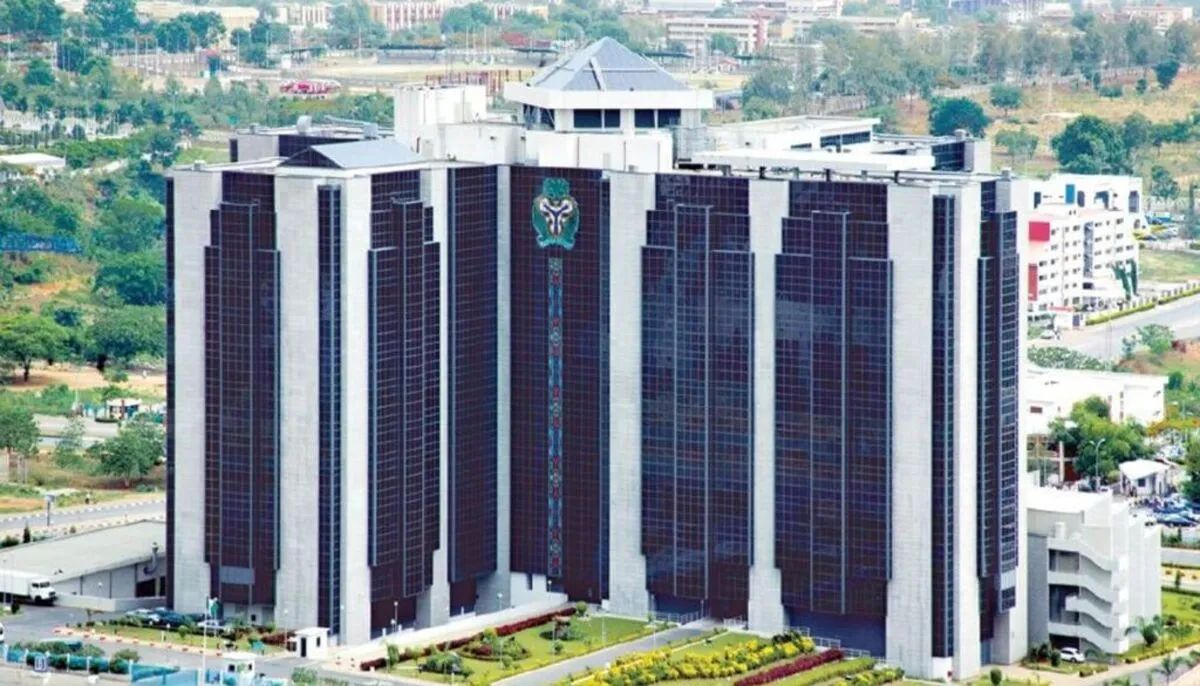
Nigeria's portfolio investment recorded a substantial 45% quarter-over-quarter increase in Q2 2026, climbing to $6.51 billion according to the Central Bank of Nigeria's latest statistical bulletin. The jump represents the strongest quarterly growth in recent months and signals renewed investor interest in the country's financial markets.
What Happened
Data from the CBN's Q2 2026 bulletin shows portfolio investment rose from $4.49 billion in Q1 2026 to $6.51 billion in Q2, an increase of approximately $2.03 billion. The growth was largely driven by debt securities, which climbed from $4.28 billion to $4.97 billion. Equity and investment fund shares saw a modest uptick, edging from $1.53 billion to $1.54 billion. Compared to Q2 2025, when portfolio investment stood at $5.15 billion, the latest figure is roughly 26.5% higher.
Why This Matters
Portfolio investment differs from direct investment because it primarily involves financial assets such as shares and debt securities rather than a lasting management interest in a business. As a result, quarterly movements can reflect real-time shifts in investor sentiment, foreign capital flows, and market conditions. The latest increase comes as the Federal Government intensifies efforts to attract both domestic and foreign capital, including the recent unveiling of 65 investment projects requiring $78.5 billion in total funding and the launch of a Nigeria Deal Room in June 2026 to streamline project approvals and address regulatory hurdles.
Key Takeaways
- Portfolio investment rose 45% quarter-over-quarter to $6.51 billion in Q2 2026.
- Debt securities accounted for the bulk of the growth, increasing by $690 million.
- Equity and investment fund shares gained only $10 million, reaching $1.54 billion.
- Year-over-year, the figure was approximately 26.5% higher than Q2 2025's $5.15 billion.
- Government-led initiatives, including the Nigeria Deal Room and a $78.5 billion project pipeline, aim to sustain momentum.
Conclusion
The Q2 2026 surge in Nigeria's portfolio investment signals renewed investor interest and a strengthening financial account, driven primarily by debt securities. As the government pushes forward with large-scale capital projects and regulatory reforms, the trajectory suggests continued pressure on foreign inflows and domestic market development. Stakeholders will be watching closely to see whether this quarterly gain translates into sustained long-term investment momentum.





Discussion
Join the conversation
Thoughtful reactions, questions, and follow-up ideas help shape the next story.