Introduction
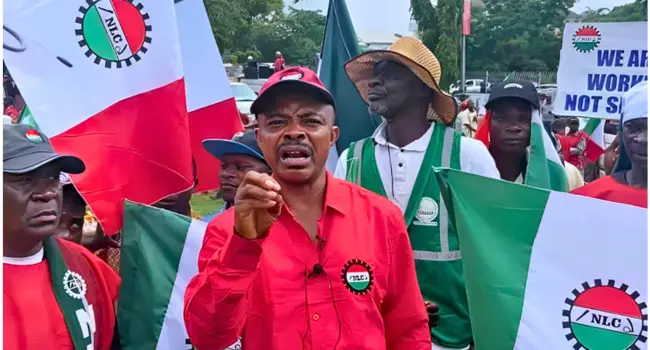
The Nigeria Labour Congress has thrown its weight behind civil servants pushing for a N500 per litre petrol price and a N500,000 minimum wage. With fuel costs soaring to N1,430 per litre in many areas and the cost-of-living crisis deepening, the demand represents a direct response to the economic strain on Nigerian workers and their families.
What Happened
In a formal letter to President Bola Tinubu, the Joint National Public Service Negotiating Council—representing 15 major unions—set a September 30, 2026 deadline for the government to address their demands. The coalition is calling for an immediate wage award for all public sector workers and a drastic reduction in petrol prices from current levels above N1,400 to just N500 per litre. The group argues that the 2023 fuel subsidy removal triggered a chain reaction of price spikes for food, transport, and medicine, leaving households increasingly strained. They also rejected the government's reliance on food handouts, describing such interventions as an unsustainable strategy that fails to address root causes and may even concentrate benefits among narrow political circles.
Why This Matters
Lowering fuel to N500 would ripple through the economy, reducing transport costs, market prices, and the daily cost of living for millions. A N500,000 minimum wage would restore lost purchasing power for civil servants whose real income has shrunk under inflation's weight. The NLC's stance underscores that without structural intervention, the gap between earnings and essential expenses will keep widening, risking deeper social friction. The demand also signals a broader rejection of temporary fixes in favor of lasting policy shifts.
Key Takeaways
- The coalition is demanding N500 petrol and N500,000 minimum wage by the end of September 2026.
- The 2023 fuel subsidy removal is identified as a primary driver of current economic pressure.
- Food and in-kind palliatives are criticized as ineffective and potentially exclusionary.
- A proposed fuel intervention fund aims to create long-term price stability across all regions.
- Wage harmonization across federal, state, and local levels is proposed as a standard moving forward.
- Labour leaders, including NLC President Joe Ajaero, have publicly thrown weight behind the campaign.
Conclusion
With the September deadline approaching, the government's response will be closely watched by labour groups and ordinary Nigerians alike. Delivering on these demands could reset the relationship between the state and its workforce, while failure to act may deepen the economic strain already felt across the country. The situation represents a pivotal moment for Nigeria's labour and fiscal policy in the coming years.



Discussion
Join the conversation
Thoughtful reactions, questions, and follow-up ideas help shape the next story.