Introduction
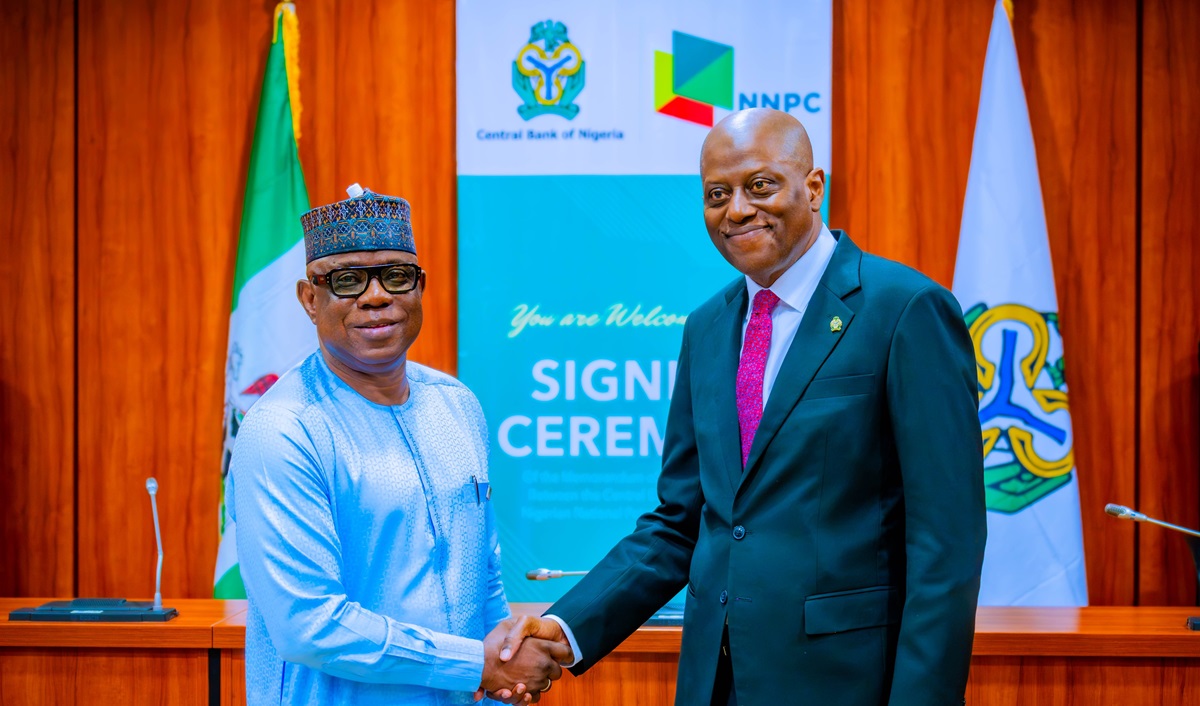
The Nigerian National Petroleum Company Limited has entered a formal financing arrangement with the Central Bank of Nigeria. The pact allows the state oil firm to use its balance sheet and physical assets to secure funding for energy projects. Officials announced the memorandum of understanding after a signing ceremony in Abuja, describing it as a new chapter in cooperation between Africa's largest oil producer and its monetary authority.
What Happened
NNPC Group Chief Executive Officer Bashir Bayo Ojulari disclosed the agreement in a statement released by Chief Corporate Communications Officer Andy Odeh on November 18, 2026. Speaking at the CBN headquarters, Ojulari said the MoU creates a structured framework for collaboration at the intersection of energy and finance. The deal is designed to help NNPC raise capital through asset-backed structures under CBN guidance.
Group Chief Financial Officer Adedapo Segun added that the arrangement replaces informal financial practices with a coordinated system. He said better coordination could support efforts to grow Nigeria's crude oil output from about 1.8 million barrels per day to 3 million barrels per day. The company also plans to align domestic payments, contractor settlements, and foreign exchange conversions with central bank rules to support the naira and limit dollarisation.
CBN Governor Olayemi Cardoso described the agreement as a formalisation of an existing working relationship. He noted that continued cooperation on account management, fund transfers, and liquidity support could improve macroeconomic stability by making government revenue and foreign exchange inflows more predictable. NNPC Treasurer John Etukudo will manage implementation for the company, while both sides have set up working groups, timelines, and accountability measures.
Why This Matters
The agreement gives NNPC another avenue to fund critical energy investments without relying solely on traditional borrowing. It comes as the company pursues a broader strategy to monetise parts of its portfolio, including plans to sell stakes in oil and gas assets and divest non-performing fields. NNPC has previously said it hopes to raise at least $30 billion by 2030 through asset sales and fresh investment.
Linking the deal to production targets also ties the arrangement to national economic goals. Higher crude output could improve export earnings, while stricter alignment with CBN regulations may reduce pressure on the naira. For the central bank, the partnership offers a channel to monitor and support foreign exchange flows tied to the oil sector.
Key Takeaways
- NNPC and the CBN signed a memorandum of understanding to create a structured energy-finance framework.
- The deal allows NNPC to raise capital using its balance sheet and assets for energy projects.
- Officials want to increase Nigeria's crude oil production from 1.8 million to 3 million barrels per day.
- Payments, settlements, and FX conversions will be aligned with CBN rules to support the naira.
- NNPC Treasurer John Etukudo will oversee implementation, supported by joint working groups and timelines.
- The MoU builds on NNPC's existing plan to raise at least $30 billion by 2030 through asset sales and investment.
Conclusion
The NNPC-CBN agreement marks a shift toward more formal, asset-backed financing for Nigeria's energy sector. By connecting balance-sheet strength with central bank oversight, both institutions hope to attract investment, stabilise foreign exchange flows, and accelerate output growth. Whether the framework delivers on its production and funding goals will depend on execution, but the deal signals a closer working relationship between the country's oil company and its monetary authority.
Discussion
Join the conversation
Thoughtful reactions, questions, and follow-up ideas help shape the next story.