Introduction
North Carolina opened its checkbook for a high-priced internal probe, spending over $914,000 to scrutinize Bill Belichick's son and university staff amid allegations of drug use and misconduct. The investigation has drawn attention to how major college programs handle accountability.
What Happened
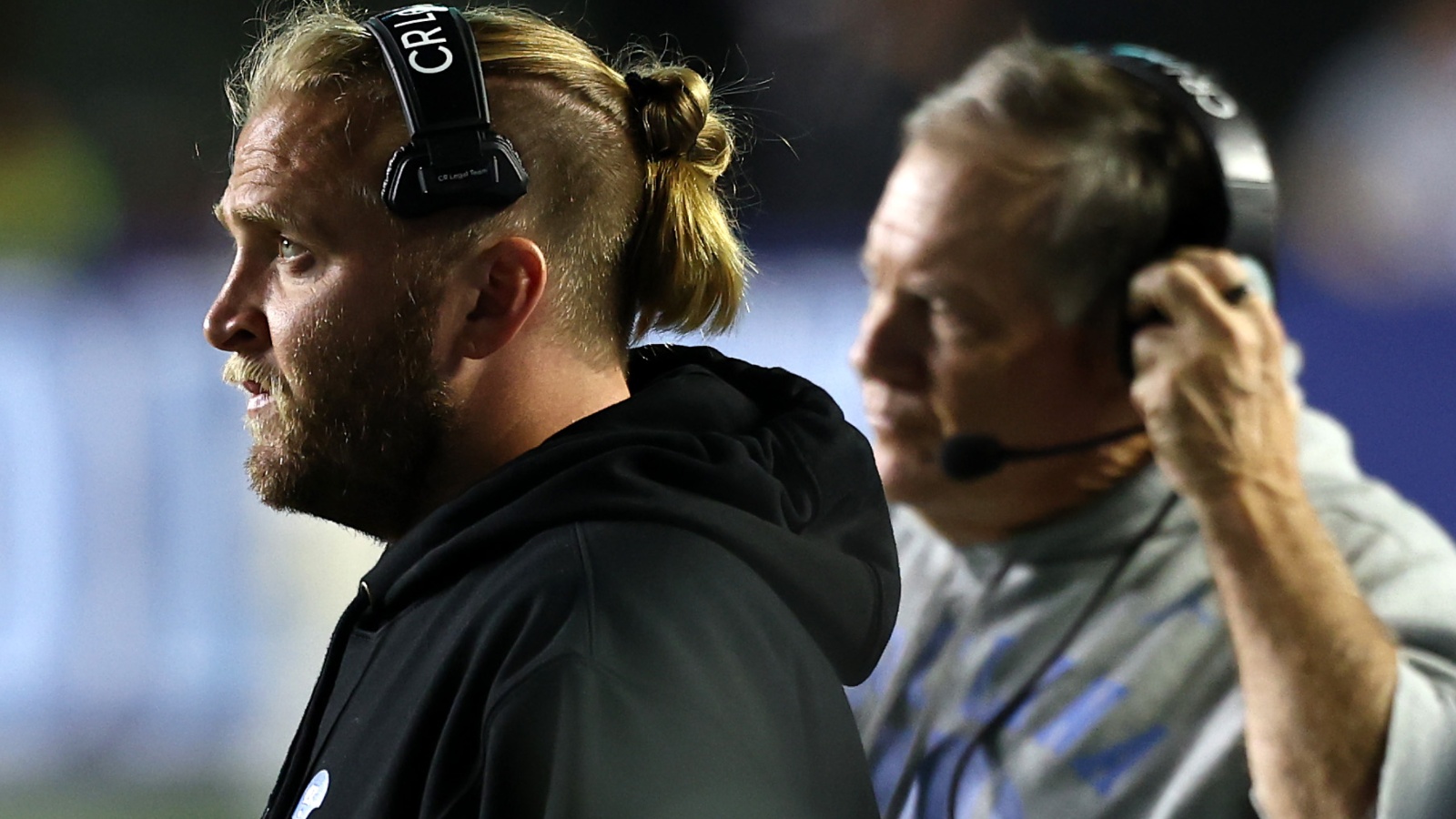
In September, the university launched an inquiry into UNC General Manager Michael Lombardi and defensive coordinator Steve Belichick, Bill Belichick's son. Reports indicate Lombardi resigned following a human resources complaint from a former front-office employee. Steve Belichick faced scrutiny for allegedly using and supplying drugs to players. Additional staffers were examined for possible improper relationships. Outside lawyers conducted interviews regarding substance use on the job and inappropriate relationships between recruiting staff and players.
Why This Matters
The case underscores growing scrutiny on power programs' internal operations. Beyond the Belichick name, it raises questions about how universities vet staff, handle HR complaints, and protect student-athletes. For Belichick, the probe adds another layer to his legacy, while for UNC, it highlights the financial and reputational costs of alleged misconduct within an athletic department.
Key Takeaways
- $914,000 was spent on legal fees to investigate Steve Belichick, Michael Lombardi, and other staff members.
- The bulk of the funds—$821,339—went to Barnes & Thornburg, which billed $990 per hour for principal counsel Nate Huff.
- Only Steve Belichick and Michael Lombardi resigned following the investigation's conclusion.
- Lawyers probed allegations of drug use, distribution to players, and improper relationships between staff and recruits.
- Public records obtained by Sportico confirmed the full scope of spending and staffing involved in the probe.
Conclusion
What began as a targeted HR inquiry has evolved into a broader conversation about accountability in college athletics. As UNC moves forward, the fallout from this investigation may influence how other programs approach transparency, staff vetting, and the true cost of maintaining institutional integrity.
Discussion
Join the conversation
Thoughtful reactions, questions, and follow-up ideas help shape the next story.