Introduction
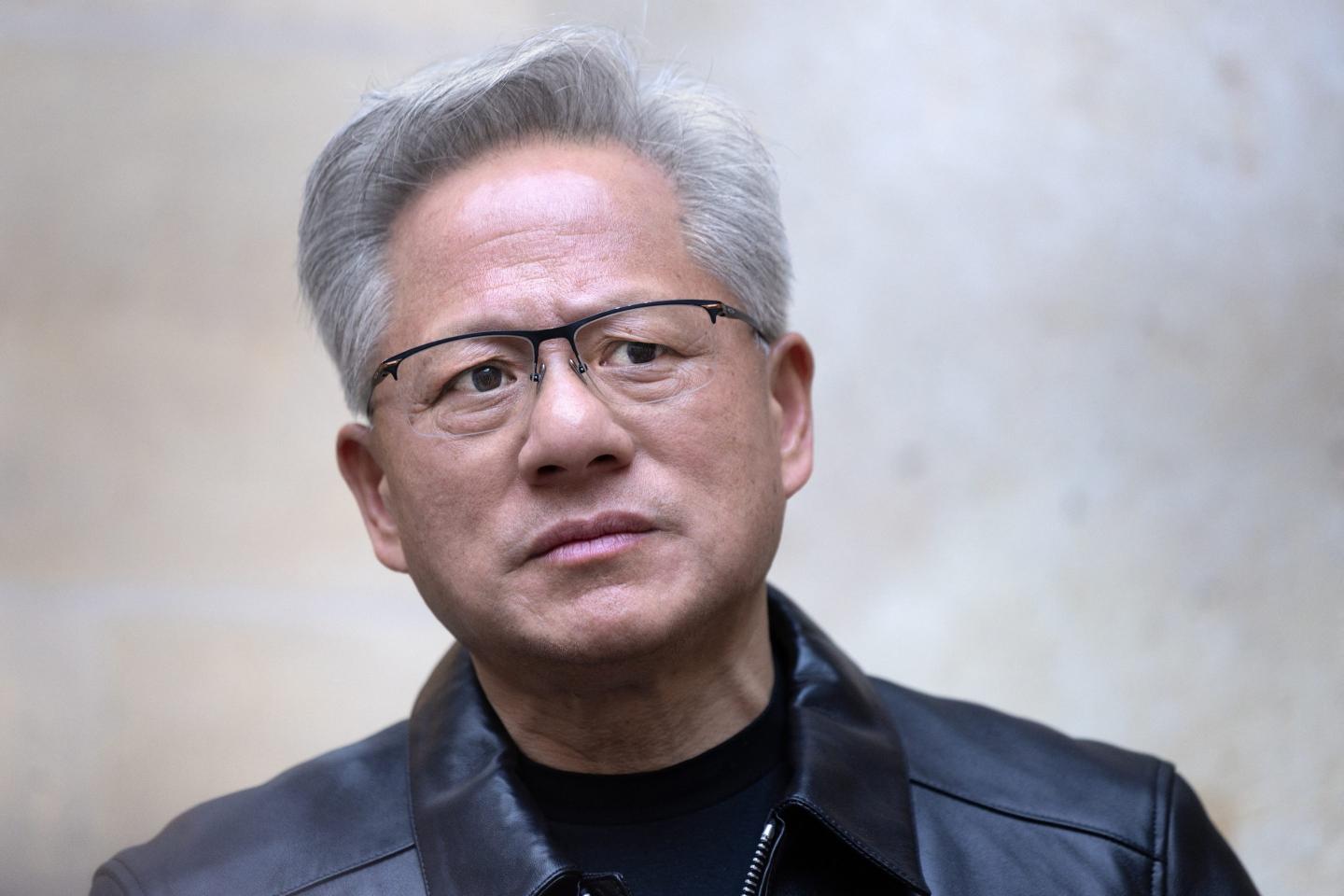
Nvidia’s rise has been inseparable from its co-founder and CEO, Jensen Huang. Now, the chipmaker is confronting one of its most serious leadership crises. Reports have surfaced linking Huang to a personal relationship with a woman whom U.S. intelligence agencies reportedly suspect of working for Chinese intelligence. The revelation has triggered a federal investigation, a congressional summons, and an internal board review, casting doubt on whether Huang can remain at the helm and what his potential departure would mean for the broader artificial intelligence sector.
What Happened
The controversy centers on Huang’s relationship with Alice Huang, a woman connected to a firm called Megaspeed. U.S. officials believe Megaspeed may have helped channel advanced Nvidia processors to Chinese entities, either through data centers in Malaysia or by smuggling graphics processors directly into China. While the Malaysia route was permissible under American export rules before 2025, moving chips across the border into China would have violated federal law.
Nvidia’s board has launched an independent investigation. House Republicans have requested that Huang testify behind closed doors, and the FBI has opened its own probe after President Donald Trump initially defended the CEO. Investigators are examining what Huang knew, when he knew it, and whether he shared sensitive information—such as details about Nvidia’s chip designs or conversations with the president—with Alice Huang.
If evidence shows Huang was complicit in illegal chip smuggling or used his influence to steer a federal investigation away from Megaspeed, legal and corporate experts say his position would become untenable. On the other hand, if the woman’s primary goal was to shape Huang’s views on export restrictions, the consequences for the CEO might be less severe, especially given his long-standing opposition to tight controls on selling chips to China.
Why This Matters
Huang has been the public face of the AI boom, steering Nvidia from a graphics-card company to the dominant supplier of processors for large language models and data centers. His management style—characterized by a flat structure and dozens of direct reports—has left the company without an obvious successor. Should he step down, Nvidia could face operational turbulence even if a replacement continues funding the same AI labs, startups, and cloud providers.
The policy stakes are equally significant. Huang has consistently argued that the United States benefits when Nvidia competes in China, and he has resisted stricter export rules. His diminished influence—or absence—could embolden lawmakers pushing for tougher limits on chip sales to Beijing. He has also been a vocal supporter of open-source AI and an opponent of federal licensing requirements for advanced models. With his political capital weakened, advocates for stricter AI regulation may find a clearer path to new rules.
Key Takeaways
- U.S. intelligence reportedly suspects Alice Huang, a woman linked to Nvidia CEO Jensen Huang, of being a Chinese spy.
- Nvidia’s board, the FBI, and House Republicans are all investigating the matter, including potential violations of chip export laws.
- Huang’s future as CEO depends on what he knew and whether he shared confidential company or government information.
- His possible exit could destabilize Nvidia, which lacks a clear successor and relies heavily on his direct involvement in major decisions.
- Even if Huang stays, his sway over U.S. AI and export policy is expected to decline, potentially opening the door to stricter chip controls and AI licensing rules.
Conclusion
The coming weeks will determine whether Jensen Huang survives this scandal or becomes the latest high-profile casualty of Washington’s intensifying focus on technology and national security. Regardless of the outcome, the episode underscores how deeply personal leadership, corporate strategy, and geopolitical rivalry are now intertwined in the artificial intelligence industry. For Nvidia, its investors, and the wider AI community, the uncertainty surrounding Huang’s role is a reminder that even the most dominant tech figures are not immune to the pressures of global power competition.
Discussion
Join the conversation
Thoughtful reactions, questions, and follow-up ideas help shape the next story.