Introduction
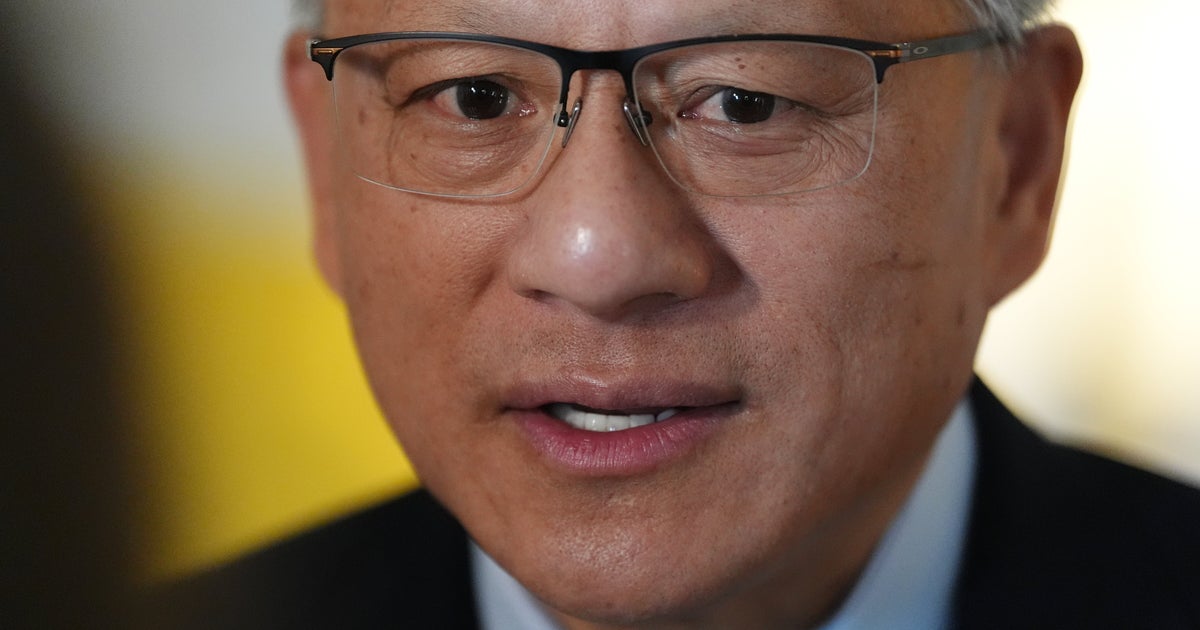
Nvidia is undergoing a leadership shakeup after founder and chief executive Jensen Huang announced he is stepping down. The departure comes amid swirling reports about his personal conduct and relationships, including allegations involving individuals tied to foreign intelligence concerns. With the AI chipmaker valued at roughly $4 trillion, the transition marks one of the most significant executive changes in the semiconductor industry.
What Happened
According to the company, Chief Financial Officer Colette Kress will step in as interim chief executive while the board searches for a permanent replacement. Nvidia also appointed Harvey Jones, a former Synopsys chief executive and current board member, as its first-ever board chairman. Huang, a co-founder who holds roughly 3.61% of the company, will also vacate his seat on the board.
The news triggered an immediate market reaction, with Nvidia’s stock dropping more than 10% before regular trading began and weighing on broader equity indexes.
Reports indicate the board convened to discuss Huang’s future after stories emerged about an affair with a Chinese businesswoman whom U.S. authorities have linked to intelligence activities. Beijing has denied she is a spy. A separate report later alleged an extramarital relationship between Huang and Kimberly Powell, Nvidia’s vice president of healthcare, who reported directly to him.
Why This Matters
Huang has been the public face of the artificial intelligence boom. Under his leadership, Nvidia evolved from a graphics-chip specialist popular with gamers into the world’s most valuable company, with its processors becoming essential infrastructure for AI development. His personal brand was so closely tied to the firm that share prices often moved when he mentioned partners or customers by name.
His exit leaves the company without its most recognizable leader at a time when investor confidence in AI spending is already fragile. Many large technology firms are increasing debt and burning cash on AI infrastructure, raising questions about when those investments will pay off.
The transition could also influence U.S. trade policy. Huang has advocated for maintaining access to the Chinese market and has cultivated a relationship with President Donald Trump, who recently praised Huang’s contributions to the country. Trump said Huang told him he was unaware the woman involved was suspected of espionage.
Key Takeaways
- Jensen Huang is stepping down as Nvidia CEO and leaving the board.
- Colette Kress will serve as interim CEO; Harvey Jones becomes the first board chairman.
- Huang owns about 3.61% of Nvidia, making him the fourth-largest shareholder.
- Nvidia’s stock dropped more than 10% before regular trading began following the announcement.
- The departure follows reports of affairs and national security concerns involving foreign intelligence.
- Huang’s exit may affect AI investment sentiment and U.S. chip export policy toward China.
Conclusion
Nvidia now faces the challenge of reassuring customers, investors, and governments while searching for a new permanent chief executive. The company’s role in the global AI ecosystem is unlikely to disappear overnight, but the loss of its founder and longtime strategist introduces uncertainty at a critical moment. How the board manages the transition—and addresses the governance questions raised by the reports—will shape Nvidia’s next chapter.
Discussion
Join the conversation
Thoughtful reactions, questions, and follow-up ideas help shape the next story.