Introduction
Nvidia, the dominant supplier of processors used to build advanced artificial intelligence, is contending with two simultaneous crises that threaten its reputation and regulatory standing. One involves allegations that billions of dollars in high-powered chips reached China through indirect routes in Southeast Asia. The other centers on CEO Jensen Huang, who disclosed an extramarital affair to employees and is now the subject of an independent board investigation into whether he was targeted by a foreign intelligence operation.
What Happened
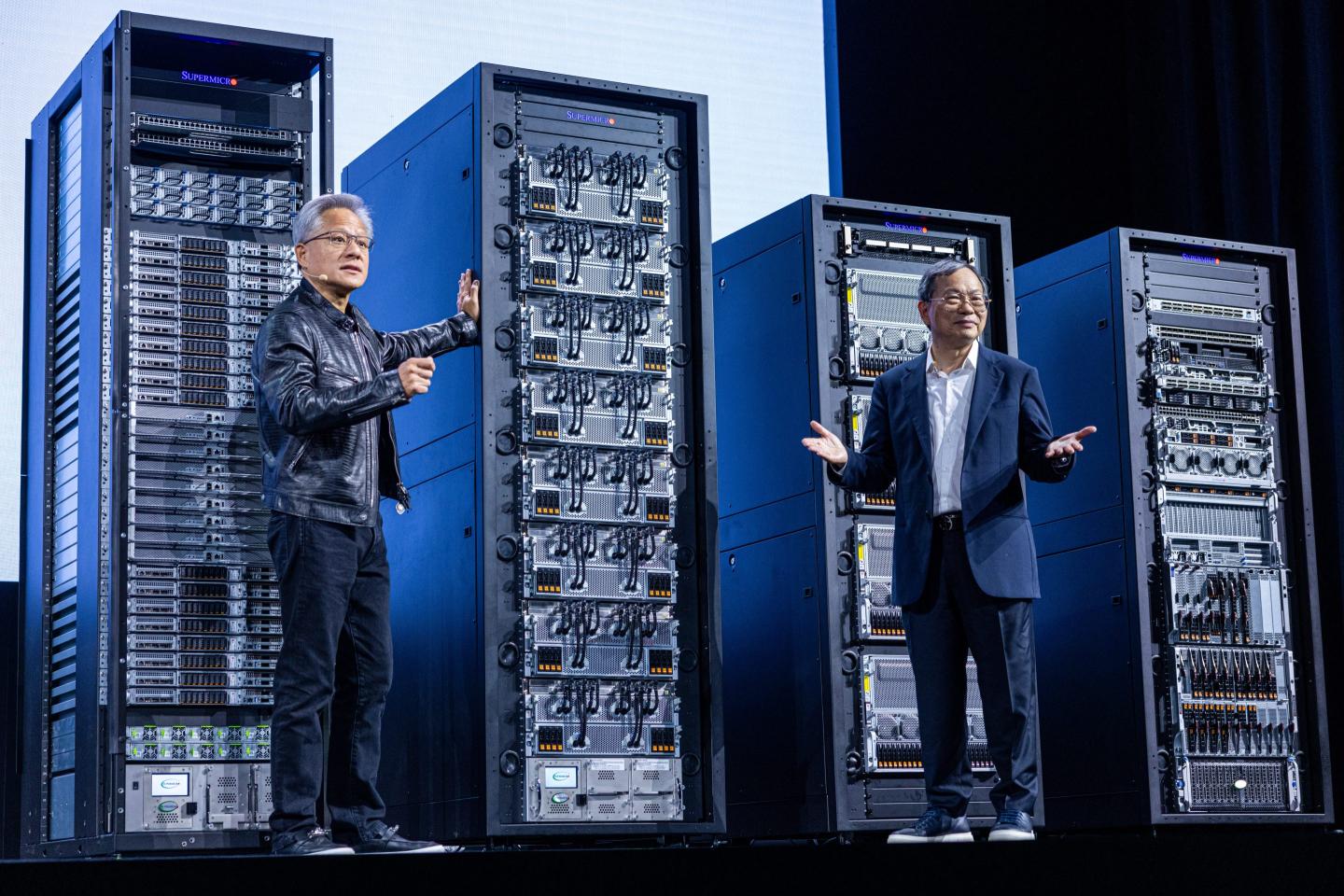
The chip-related concerns split into two main threads. First, federal prosecutors have examined roughly $2.5 billion in servers containing Nvidia H200 and B200 GPUs that allegedly moved to China via a Southeast Asian front company. The case involves Super Micro Computer, a close Nvidia partner led by Charles Liang, a longtime associate of Huang. Super Micro has not been charged and says it cooperated with authorities.
A second thread involves Megaspeed International, a Singapore-based customer that reportedly purchased more than $4.8 billion in Nvidia chips over two years. U.S. authorities are investigating whether some of that hardware ended up serving Chinese clients through data centers in Malaysia and Indonesia. Megaspeed has denied wrongdoing, and Nvidia previously told the public it found no evidence of diversion.
The personal and corporate threads converged when Huang informed staff of an affair with Alice Huang, a former Megaspeed executive to whom he is not related. News reports have suggested that intelligence officials believe she may have been recruited by China's Ministry of State Security to report on the CEO. Nvidia's board has launched an independent probe and retained Joon H. Kim and the law firm Wachtell, Lipton, Rosen & Katz to lead it, while stating it retains confidence in Huang and sees no evidence that national security or company secrets were compromised.
Why This Matters
Nvidia's semiconductors are essential for training and operating leading AI models, and U.S. regulators classify them as dual-use items with potential military applications. Washington has not granted export licenses for the most advanced processors to China, so any alleged diversion raises serious compliance and national security questions.
The political stakes are also rising. Senator Elizabeth Warren, expected to chair the Senate Banking Committee in January, has pressed Nvidia on its compliance program since June. Lawmakers have requested a closed-door briefing with Huang shortly after the company's third-quarter earnings report, and Warren could use subpoena power once the new congressional session begins.
Key Takeaways
- Two separate investigations allege Nvidia chips reached China through Southeast Asian channels involving Super Micro and Megaspeed.
- No public evidence yet connects the two cases directly, and neither Nvidia nor Super Micro's leadership has been charged in the server matter.
- CEO Jensen Huang disclosed an affair with a former Megaspeed executive, prompting a board-led independent investigation into possible foreign intelligence targeting.
- Nvidia's board says it has no reason to believe secrets were compromised, but it has hired outside counsel to examine the situation.
- Congressional scrutiny is intensifying, with potential subpoenas and closed-door hearings on the horizon.
Conclusion
Nvidia's challenges extend beyond typical export-control paperwork. The combination of alleged hardware smuggling, a CEO personal scandal with possible espionage overtones, and heightened congressional attention creates a multifaceted crisis for one of the world's most important technology companies. How Huang, the board, and regulators respond in the coming months will likely shape Nvidia's relationships with government customers, enterprise clients, and investors for years to come.
Discussion
Join the conversation
Thoughtful reactions, questions, and follow-up ideas help shape the next story.