Introduction
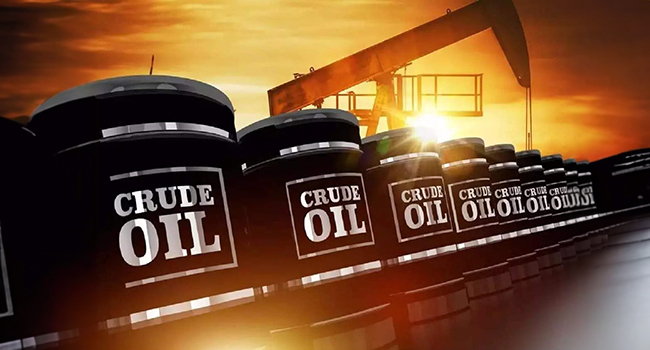
Global oil markets reacted sharply Monday as Brent crude climbed above $107 per barrel, extending gains fueled by escalating tensions in the Middle East. The surge underscores how quickly geopolitical events can ripple through energy supplies.
What Happened
Brent November futures rose 2.8% to $107.54 a barrel, while US West Texas Intermediate for October gained 2.3% to $102.34, extending last week's rally above the $100 threshold. The immediate catalyst was a pair of security incidents: Saudi Arabia temporarily halted its East-West pipeline after drone attacks, and a merchant vessel was struck in the Strait of Hormuz on Sunday, resulting in one death and three injuries according to Iranian authorities.
- Saudi Arabia temporarily halted its East-West pipeline following drone attacks.
- A merchant vessel was struck in the Strait of Hormuz, killing one and injuring three others.
- Iran now requires vessel permissions and is considering service fees for strait transit.
- Market sentiment remains highly sensitive to Middle East developments.
Why This Matters
With the Strait of Hormuz carrying a substantial share of global seaborne oil trade, any disruption risks broader supply constraints and price volatility. Iran's new requirements for vessel permissions and potential service fees, coupled with reported strikes on non-compliant ships, add another layer of uncertainty. Meanwhile, the United States' ongoing naval presence challenging Iran's control of the waterway highlights how deeply intertwined regional politics and global energy security have become. Investors and policymakers alike are watching for further developments that could alter supply dynamics.
Key Takeaways
- Brent crude surpassed $107 a barrel, with WTI topping $102, marking the first sustained stretch above $100 in recent weeks.
- Saudi Arabia's temporary pipeline shutdown and a deadly vessel attack in the Strait of Hormuz were the primary drivers of the price jump.
- Iran's tightened restrictions on strait transit and the US naval presence amplify long-term supply risks.
- Market sentiment remains highly sensitive to Middle East developments, with any escalation likely to trigger further moves.
- Traders should monitor pipeline status, strait transit permissions, and diplomatic talks for signs of de-escalation or further disruption.
Conclusion
The latest spike above $107 per barrel reaffirms the market's vulnerability to Middle East instability. As geopolitical tensions persist, oil prices will likely remain volatile, making it essential for stakeholders to stay informed on security developments and diplomatic efforts aimed at stabilizing key transit routes.

Discussion
Join the conversation
Thoughtful reactions, questions, and follow-up ideas help shape the next story.