Introduction
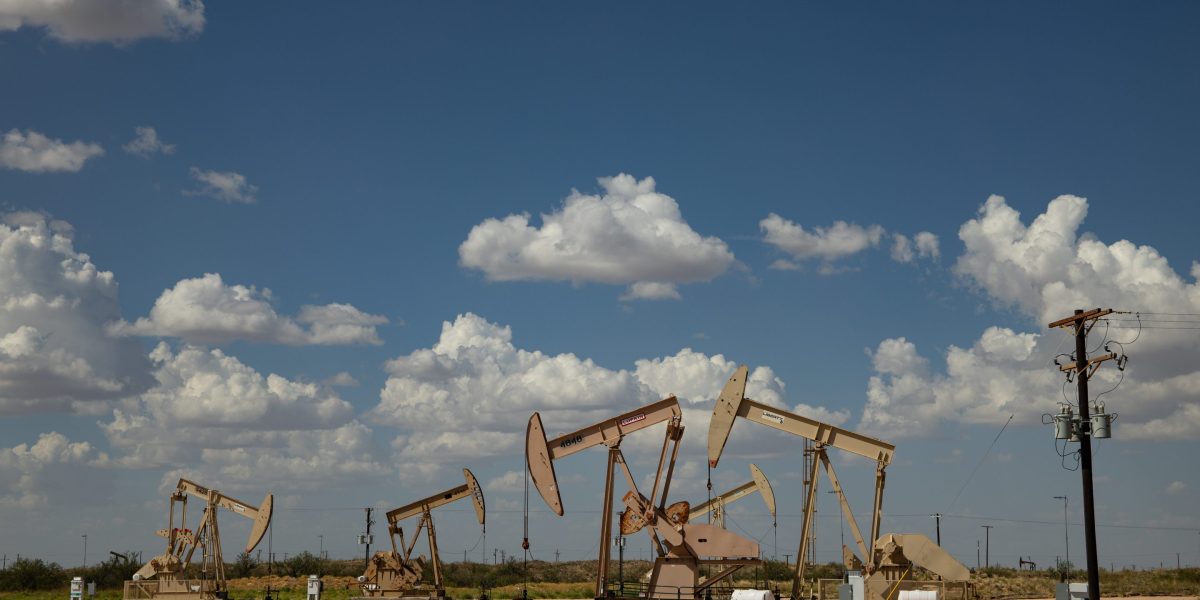
Oil theft has evolved from sporadic siphoning into a coordinated challenge for one of the world's most productive energy regions. With crude prices hovering near $100 per barrel, the Permian Basin has become a focal point for increasingly professional heists targeting critical infrastructure.
What Happened
The sharp climb in oil prices since geopolitical tensions escalated this year has drawn new actors into the field. West Texas Intermediate crude is up roughly 60% year-to-date, and fuel costs have climbed further as global refining capacity strained under multiple conflict pressures. A Dallas Fed quarterly survey reveals that nearly half of Permian Basin operators have felt the impact of field theft, even as 86% of firms outside the region report no disruption. The basin's dense network of drilling rigs, pipelines, and transport trucks creates abundant opportunities, and criminals are taking notice.
Why This Matters
Beyond the immediate financial hit, the surge in organized theft raises questions about energy security and operational resilience. Thirty-two percent of affected executives report theft has grown slightly over the past year, while 47% say levels have held steady. Forty-seven percent of leaders identify targeted, organized operations as the primary method, compared to 42% who describe opportunistic petty theft. Despite the rise, 84% of impacted firms rate the financial impact as low, though the cumulative effect could influence pricing and production decisions. The issue also extends beyond individual losses: a federal investigation dubbed Operation Black Market Basin led to charges against wastewater company executives and the seizure of over $12 million in stolen petroleum products, vehicles, and cash. Separately, a large-scale conspiracy to move stolen crude across the New Mexico-Texas border has resulted in recent federal indictments. Even local law enforcement struggles to keep up, with the Howard County sheriff's office reporting probably 1000 to 1500 barrels stolen each month, in part because officers cannot easily distinguish legitimate activity from theft.
Key Takeaways
- Oil theft in the Permian Basin has spiked alongside a 60% year-to-date increase in WTI crude prices.
- Nearly half of Permian operators report theft impacts, versus 86% of non-Permian firms unaffected.
- Targeted, organized heists now account for the majority of reported cases, surpassing opportunistic siphoning.
- Financial losses remain low for most operators, with 84% rating the impact as minimal.
- Law enforcement and regulatory actions, including Operation Black Market Basin and federal border-crossing indictments, signal a growing crackdown.
- Sheriffs and local officials cite identification challenges, with an estimated 1000 to 1500 barrels reported stolen each month.
Conclusion
As oil prices remain elevated and infrastructure ages, the Permian Basin faces a renewed threat from organized theft rings. The data suggests the problem is widespread but rarely catastrophic for individual operators, yet the broader implications for energy security and law enforcement resources are significant. Continued monitoring and stronger oversight may be necessary to keep the region's output secure.



Discussion
Join the conversation
Thoughtful reactions, questions, and follow-up ideas help shape the next story.