Introduction
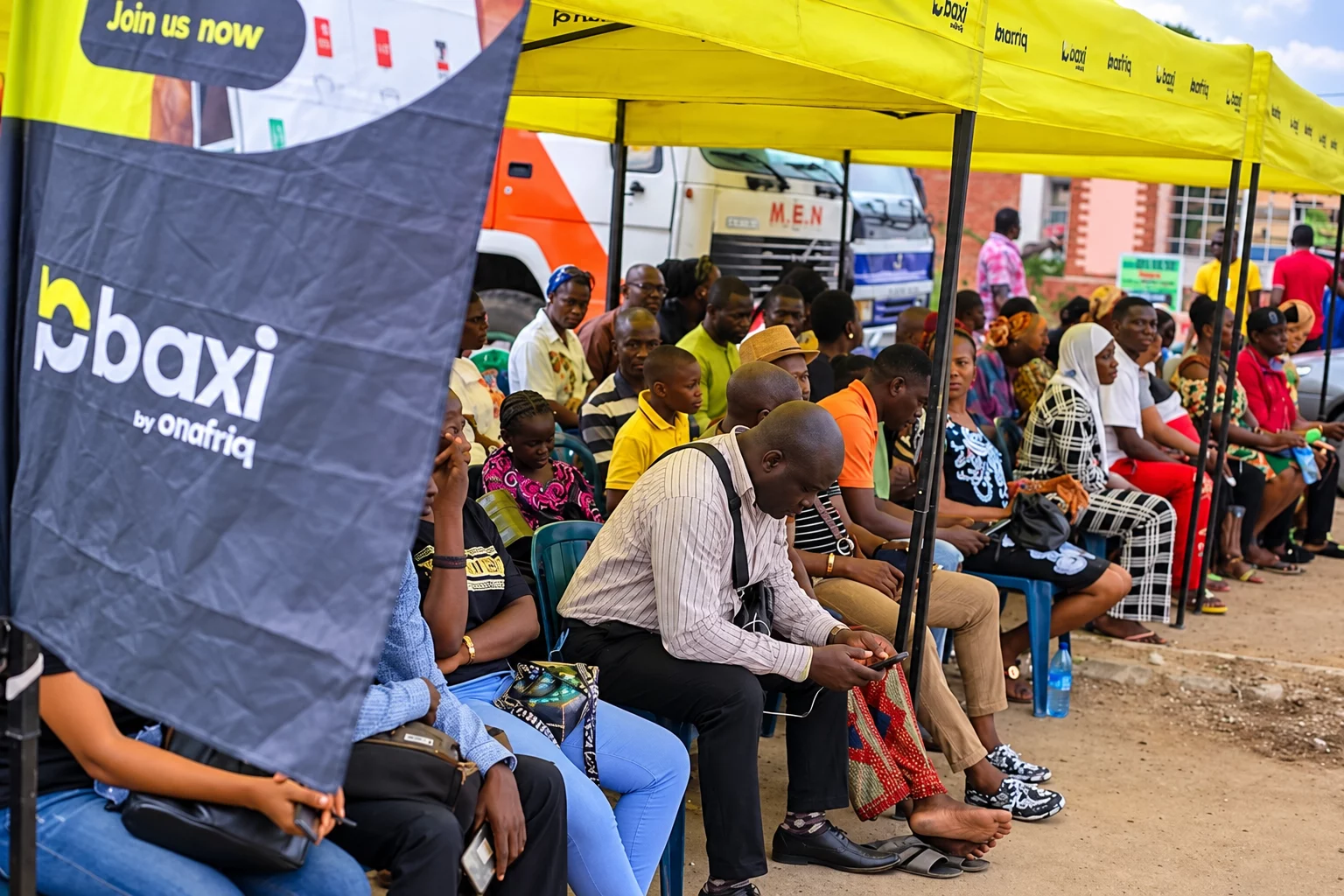
Onafriq marked the end of its Nigerian agent banking experiment in October 2026 by shutting down Baxi, the platform it acquired five years earlier to expand into Nigeria's cash-heavy payments landscape. The closure concludes a strategic push that once connected hundreds of thousands of agents to Onafriq's pan-African payment network.
What Happened
Onafriq acquired Baxi in 2021, inheriting a network of over 90,000 agents processing more than $1.6 billion in transactions annually. Five years later, the company announced Baxi's shutdown, directing its 460,000-plus agents to transfer funds to a principal bank within 30 days. Months before the closure, Onafriq entered non-binding negotiations with a potential buyer for the entire agency operation, but the deal remained unresolved as of July 2026. The decision came as agency services revenue plummeted 56% to $13.4 million in 2024, down from $30.4 million the prior year, and gross profit fell 65% to $4.7 million.
Why This Matters
The Baxi shutdown highlights the risks of scaling offline agent networks in a market where digital competition accelerates rapidly. Nigeria's PoS terminal base more than doubled between 2023 and 2024, yet transaction volumes grew minimally, intensifying friction for agent-based businesses. Moniepoint's expansion to over one million terminals by 2026 exemplifies the competitive pressure that made Baxi's economics increasingly difficult to sustain. The case also underscores how quickly fintech expansion can reverse when margin erosion meets broader market shifts.
Key Takeaways
- Agency services revenue dropped 56% year-over-year, from $30.4 million to $13.4 million
- Gross profit declined 65%, falling from $13.4 million to $4.7 million
- Onafriq wrote off $4.56 million in goodwill tied to its Nigerian payments business
- A proposed sale of Baxi remained non-binding and unresolved through July 2026
- Onafriq will continue operations in Nigeria through its payments network and card-issuing services, excluding the agent banking segment
Conclusion
The Baxi closure serves as a cautionary example of how quickly agent banking models can become unsustainable when faced with terminal oversupply, stagnant transaction growth, and aggressive competitor scaling. Onafriq's decision to retain its digital payments and card services while exiting the offline network suggests a strategic pivot toward higher-margin, digital-first offerings. For the broader fintech sector, the episode reinforces the importance of matching distribution speed with sustainable economics and real-time market responsiveness.








Discussion
Join the conversation
Thoughtful reactions, questions, and follow-up ideas help shape the next story.