
Introduction
Onafriq, the pan-African digital payments network, has announced the winding down of its Nigerian agent banking platform Baxi after five years of operation. The decision reflects a combination of macroeconomic headwinds and a rapidly shifting payments landscape across Nigeria.
What Happened
The company acquired Capricorn Digital in October 2021, rebranding it as Baxi, inheriting a network of over 90000 agents and processing more than 1.6 billion in transactions within the first year. Baxi was designed to bring financial services to cash-reliant Nigerians through a vast physical agent network. However, Onafriq cited inflation, naira depreciation, rising operating costs, lower trading volumes, and margin pressure as the primary reasons the offline model became unsustainable. The company also noted a significant shift in consumer behavior, with instant account-to-account transfers surging while traditional point-of-sale agent banking declined. Baxi agents have been transitioned to a principal bank with a 30-day window to move their funds. Onafriq will continue operating in Nigeria, focusing on its payments network and card issuing services.
Why This Matters
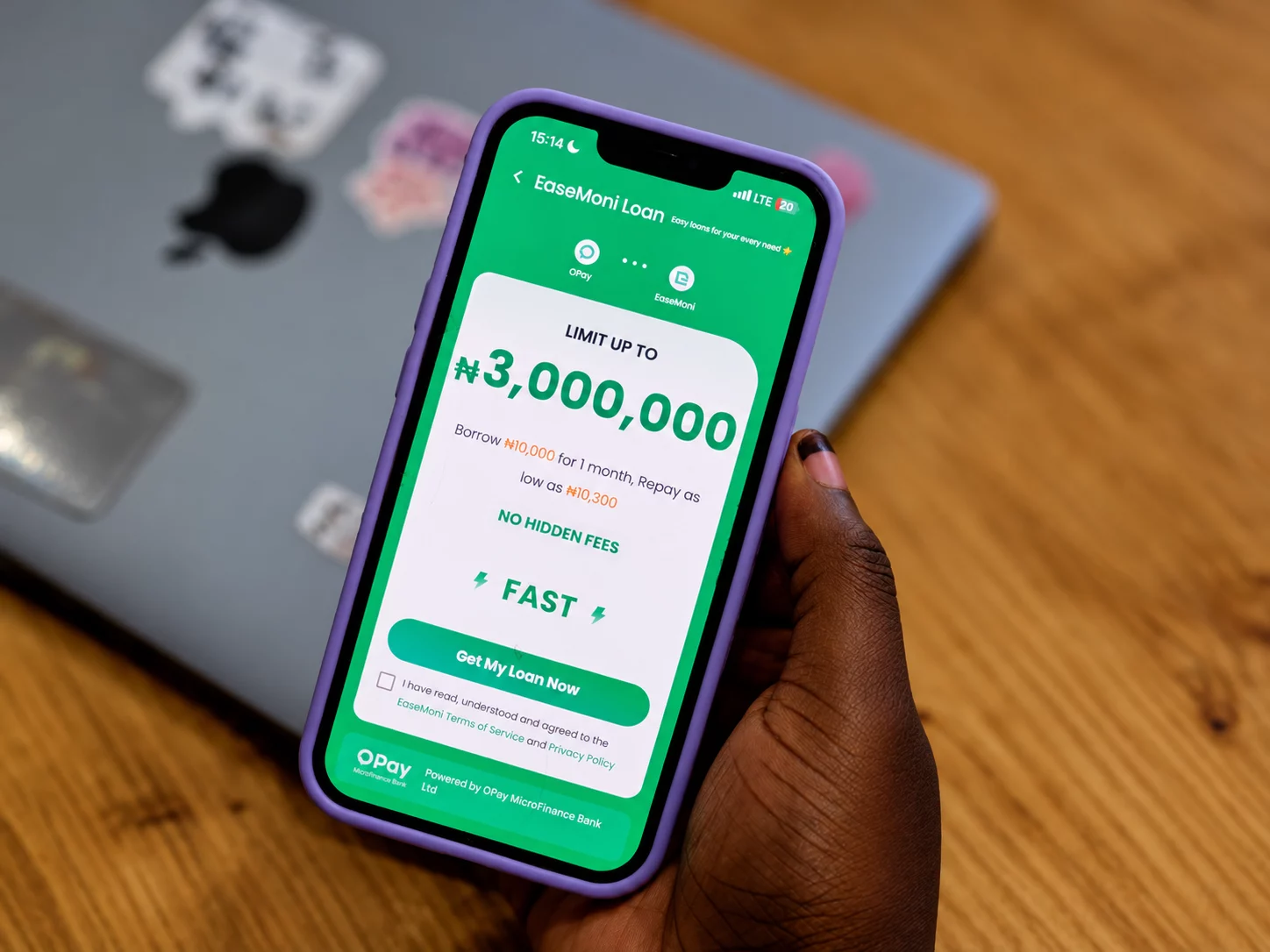
The closure highlights how severe macroeconomic conditions including a 129% naira depreciation and 34.8% inflation in late 2024 are forcing fintechs to reevaluate physical distribution strategies. It also signals a broader industry shift toward instant digital payments with internet transfer volumes hitting 11.6 billion in the first half of 2024 compared to 6.3 billion for point-of-sale options. Competitors like Moniepoint OPay and PalmPay have dominated the agent-banking space making it harder for newer players to compete. Onafriqs exit is part of a wider trend with companies like Chimoney and Gigbanc also scaling back operations in Nigeria.
Key Takeaways
- Onafriq is shutting down Baxi, its Nigerian agent banking business, after five years.
- Economic factors including currency depreciation inflation and rising costs were cited as primary drivers.
- Consumer payment habits are shifting rapidly toward instant account-to-account transfers.
- Over 90000 Baxi agents were transitioned to a principal bank with a 30-day fund-moving window.
- Onafriq maintains its presence in Nigeria focusing on cross-border payments and card issuing.
- The move reflects a broader fintech trend of reevaluating offline networks amid digital payment growth.
Conclusion
Onafriqs decision to wind down Baxi underscores the challenges of sustaining physical agent networks in rapidly digitizing markets. While the exit marks the end of a five-year chapter in Nigeria the company remains active across the continent through its cross-border payments infrastructure and card services. For stakeholders and observers the closure offers a case study in how macroeconomic pressure and evolving consumer behavior are reshaping Africas fintech frontier.






Discussion
Join the conversation
Thoughtful reactions, questions, and follow-up ideas help shape the next story.