Introduction
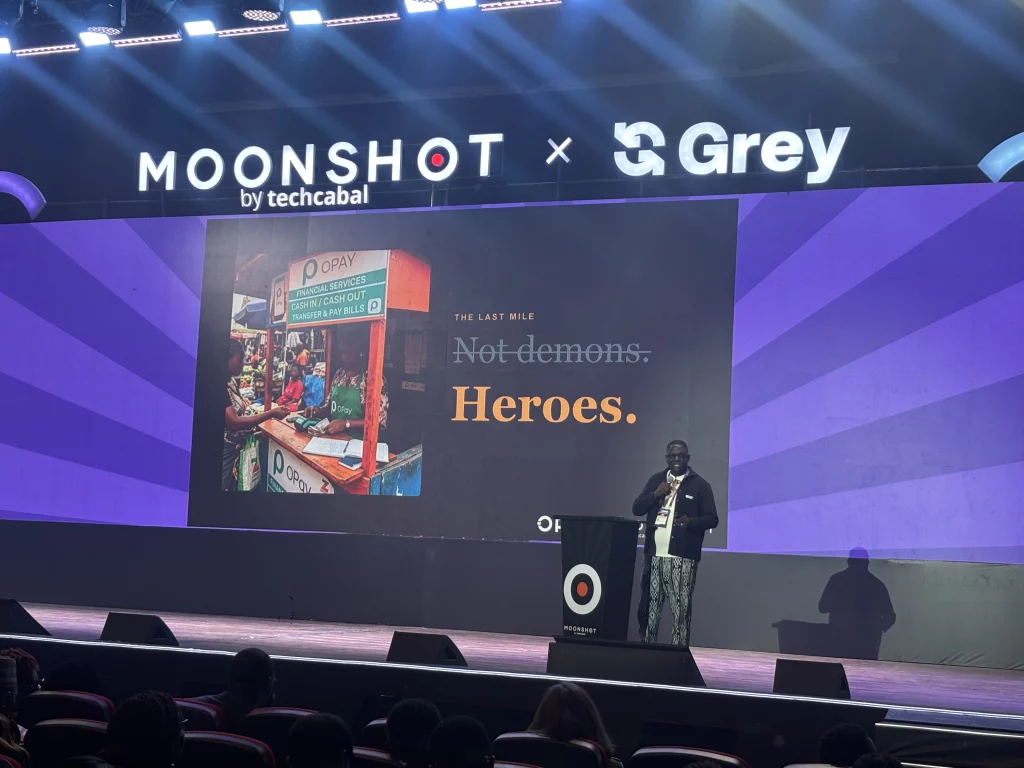
Dotun Daniel Adekunle, OPay's chief operating and technology officer, recently delivered a keynote at Moonshift by TechCabal arguing that African startups must design for Nigeria's harshest conditions to build globally resilient businesses. His core message: resilience through local design enables companies that endure Nigeria's market volatility to succeed anywhere.
What Happened
During the event on 28 October 2026, Adekunle highlighted OPay's NYSE filing, which reported $467.1 million in revenue for the first half of 2026—up from $197.5 million a year earlier. With Nigeria accounting for 89.5% of that revenue, and lending now surpassing payments as the company's primary business, the filing also flagged credit risk and regulation as key threats. He cited the 2023 naira redesign crisis as a real-time test: when the cash shortage hit, NIBSS Instant Payment system transaction volumes jumped 45.5% in February 2023 while total value fell 5.12%, and OPay held steady thanks to its nationwide agent network.
Why This Matters
The implications extend beyond OPay. A fake shutdown notice circulated online in August 2026, prompting customers to rush withdrawals; the Central Bank of Nigeria, OPay, and police responded jointly. Adekunle stressed that resilience cannot be achieved alone, underscoring how interconnected infrastructure and community trust are when markets face shocks.
Key Takeaways
- OPay's revenue surged 136% year-over-year, with lending now exceeding payments as its largest segment.
- Eighty-nine percent of revenue originates in Nigeria, making local adaptability a non-negotiable growth factor.
- The 2023 cash crunch demonstrated that when bank apps fail, transaction volume shifts rapidly to alternative rails like OPay's agent network.
- A fake shutdown rumor in late 2026 triggered real customer withdrawals, underscoring the importance of transparent communication and community trust.
- Adekunle's parting call to action: If you can survive Nigeria, you can survive the world.
Conclusion
Building for the worst doesn't mean planning for failure—it means engineering durability into every layer of a product. As Adekunle put it, Technology is designed for the local reality. For founders and investors watching the African tech space, the message is clear: the next wave of globally competitive companies will be those that stop fighting their environment and start leveraging it.





Discussion
Join the conversation
Thoughtful reactions, questions, and follow-up ideas help shape the next story.