Introduction
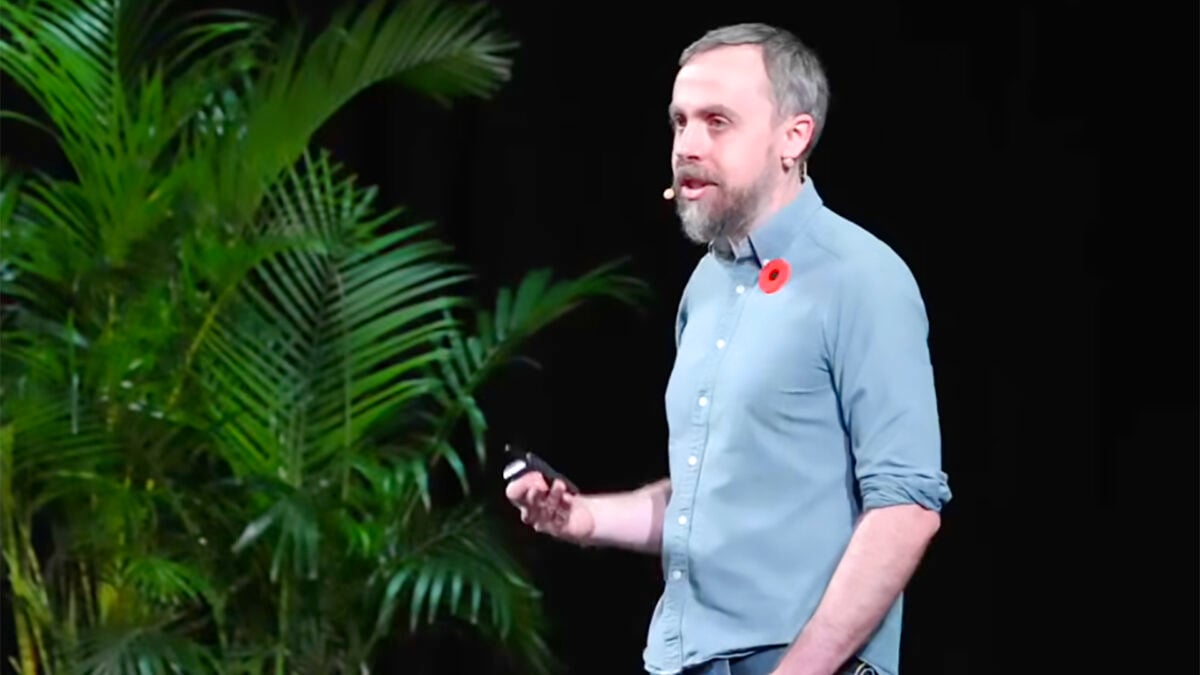
Heart disease, cancer, and unintentional injuries currently rank as the top causes of death in the United States. But Paul Christiano, a member of the OpenAI Foundation’s board and its Safety and Security Committee, argues that artificial intelligence could soon eclipse all three. Speaking at The Hinton Lectures 2026—an event hosted by AI pioneer Geoffrey Hinton—Christiano told attendees that for many people in the room, an AI accident represents the most probable cause of death.
What Happened
Christiano, who also founded the Alignment Research Center, delivered a stark assessment of near-term AI risk. He said there is a meaningful possibility of an AI takeover within the next six to twelve months. If artificial intelligence laboratories continue building at maximum speed without outside intervention, he described the odds of a takeover within three years as roughly a coin flip. Even assuming realistic policy responses, he characterized the danger as exceptionally high.
In September, Christiano offered more specific, though subjective, estimates: a 4% chance of catastrophic loss of human control within one year and a 15% chance within three years. He emphasized that these figures reflect personal judgment rather than a precise predictive model.
Other researchers echoed the concern. Eli Lifland of the AI Futures Project said he feels deeply worried that humanity could lose control of its future within three to twelve months, citing research that suggests AI is accelerating its own development. Buck Shlegeris, CEO of Redwood Research, went further, estimating roughly a 20% chance that within a year, AI misalignment could disrupt normal life through death, enslavement, or collateral damage such as bioweapon releases or major wars.
Why This Matters
The warnings carry weight because they come from insiders with direct access to frontier AI development. Christiano joined OpenAI’s board in September specifically to oversee safety practices, and he has publicly acknowledged that the company is not doing enough to reduce catastrophic risks. His position means he is not merely an outside critic but someone helping shape oversight at one of the world’s most influential AI labs.
At the same time, the article notes a potential conflict of interest. Some of the researchers sounding the alarm work for nonprofits that depend on funding, and urgency can be a powerful fundraising tool. That does not invalidate their expertise, but it does invite scrutiny over whether warnings alone are sufficient when the stakes involve human extinction.
Key Takeaways
- Paul Christiano serves on OpenAI’s board and its Safety and Security Committee, and he founded the Alignment Research Center.
- He stated that an AI accident could be the most likely cause of death for many people working in artificial intelligence.
- Christiano warned of a meaningful AI takeover risk within six to twelve months and compared the three-year risk to a coin flip if labs build without restraint.
- His September estimates placed catastrophic loss of human control at 4% within one year and 15% within three years, which he called subjective judgments.
- Other AI safety figures, including Eli Lifland and Buck Shlegeris, expressed similarly urgent concerns about loss of human control and misalignment.
- Christiano joined OpenAI’s board to improve safety oversight but has said the company is not currently doing enough to prevent catastrophic outcomes.
Conclusion
Christiano’s remarks force an uncomfortable question: if someone helping build advanced artificial intelligence believes it could destroy humanity, are warnings and promises of better oversight enough? The comparison to the Trolley Problem is apt—those developing the technology are effectively holding the lever. Whether they pull it, and how soon, may determine whether AI remains a tool or becomes the leading threat to human survival.
Discussion
Join the conversation
Thoughtful reactions, questions, and follow-up ideas help shape the next story.