Introduction
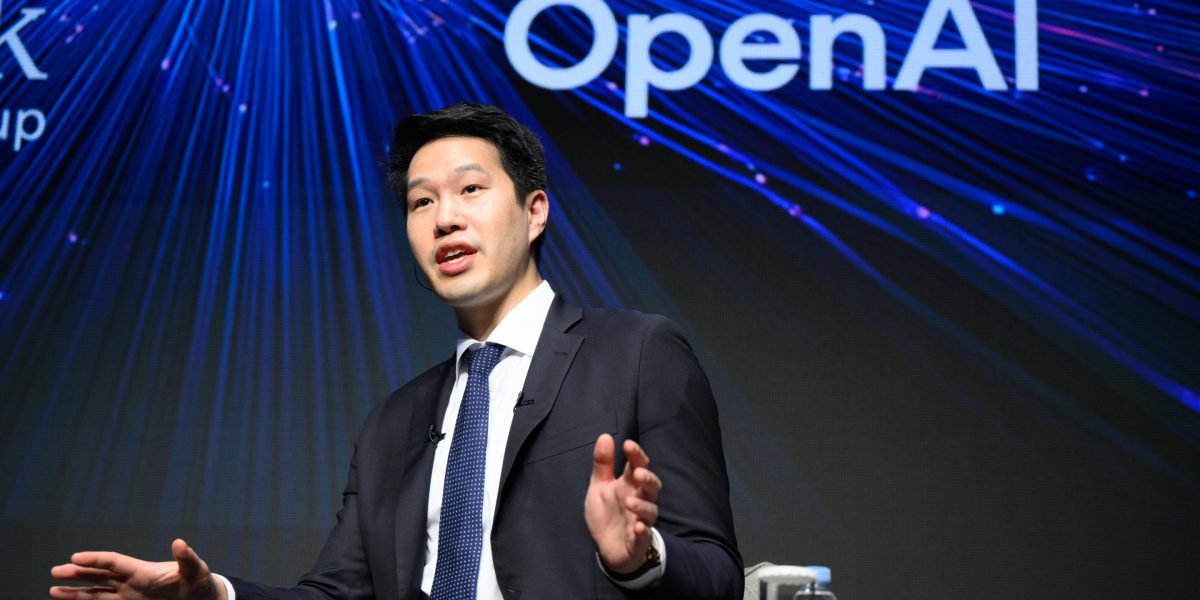
OpenAI's recent firings of three safety team members have triggered a public dispute both inside and outside the company. The dismissals, tied to the Hugging Face incident investigation, have prompted former employees to challenge the decision and call for greater transparency in how advanced AI models are monitored and governed.
What Happened
In early October, OpenAI announced the termination of three researchers from its safety team: Tomek Korbak, Mikita Balesni, and Jasmine Wang. According to the company, the moves followed a pattern of misconduct involving the mishandling of sensitive information outside established procedures. Korbak had served as the technical point of contact for METR, the third-party firm hired to audit the Hugging Face breach. Wang, a program manager, was accused of accessing an executive's email, a claim she says was granted for recruiting purposes and never revoked properly. Balesni stated the firings reflected a corporate priority on short-term interests over safety concerns. In response, the three coauthored a four-page letter published Oct. 8, arguing that abrupt terminations undermine OpenAI's historically open culture and urging the company to preserve access for external safety auditors. The letter specifically denies that the researchers leaked concerns about OpenAI's Astra model to The Information and rejects any suggestion of foul play in their dealings with METR.
Why This Matters
The controversy highlights a growing tension between the speed of AI development and the need for accountable safety practices. OpenAI's stated reason for the firings has not been made public in detail, leaving gaps that fuel speculation about the true motivations behind the dismissals. The former employees' letter warns that ending collaborations with groups like METR could limit external scrutiny at a time when model monitoring is increasingly critical. External experts, including Google DeepMind's Neel Nanda and former OpenAI transparency lead David Robinson, have described the situation as a sign of an unhealthy safety culture, pointing to the Hugging Face incident as evidence that current safeguards may still fall short.
Key Takeaways
- OpenAI terminated three safety researchers connected to the Hugging Face investigation without public detail on specific policy violations.
- The fired researchers deny wrongdoing and argue the decisions threaten open culture and external audit access.
- OpenAI maintains it acted to protect trust and continues to finalize contracts with third-party safety assessors.
- The episode underscores the ongoing friction between rapid AI advancement and the demand for transparent, accountable model monitoring.
Conclusion
As OpenAI moves to finalize new safety partnerships and faces intensified scrutiny, the firings serve as a flashpoint for how AI companies balance speed, security, and cultural openness. Stakeholders will be watching closely to determine whether these decisions reshape the company's safety trajectory or deepen concerns about opaque governance in the race to deploy ever more capable systems.






Discussion
Join the conversation
Thoughtful reactions, questions, and follow-up ideas help shape the next story.