Introduction
A tabloid leak was supposed to end Chris Gallant’s bid for Congress. Instead, the publication of archived photos showing the Democrat modeling bondage gear for a San Francisco retailer triggered a fundraising surge that carried his campaign through the final stretch. Gallant ultimately fell short against Republican incumbent Nick LaLota in New York’s 1st Congressional District, but the race revealed a deeper story: much of the money behind both candidates came from people who do not live in the district.
What Happened
The New York Post published the images on September 13. Gallant’s attorney confirmed they were authentic and consensual, and the candidate later told the New York Times he hoped the episode could become his “Kim Kardashian moment.” His campaign began selling “Make Politics Sexy Again” merchandise, and donations poured in.
In the July-to-September quarter, Gallant reported $929,825 in receipts, outpacing LaLota’s roughly $609,000 for the same period. After the leak, Gallant collected $276,055 in itemized contributions between September 13 and October 14. Only about 24 percent of that sum came from individuals with mailing addresses inside NY-1. Donors in Manhattan and California together gave $73,606—more than every in-district donor combined.
On Election Day, LaLota won a third term with 51.1 percent of the vote to Gallant’s 48.9 percent, a margin of nearly 7,000 votes with 560 of 561 election districts reporting. Gallant waited for absentee ballots before conceding on Wednesday. LaLota’s margin had shrunk from roughly 11 points in 2024 to about two points in 2026, a year in which Democrats won control of Congress.
Neither candidate could vote for himself. Both reside near Amityville on Long Island’s South Shore, which lies outside the district’s boundaries.
Why This Matters
The disconnect between who funds a race and who votes in it was stark in NY-1. A review of FEC filings through October 14 found that in-district donors represented about 16 percent of LaLota’s money from named individuals and just over a third of Gallant’s.
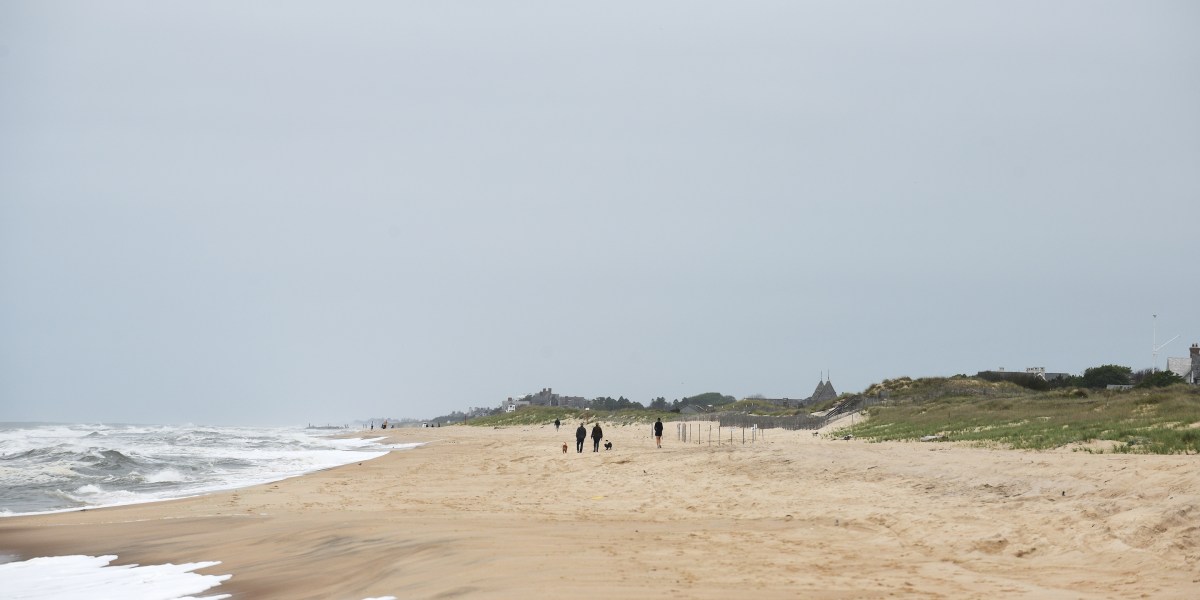
NY-1 stretches from Suffolk County’s North Shore to the East End, encompassing the North Fork’s vineyards and the Hamptons’ South Fork. Each summer, the district fills with financiers and corporate executives, making it one of the country’s busiest sources of political money. Suffolk County donors gave more than $45 million to campaigns during the 2020 cycle alone.
The donor lists read like a roster of national wealth. Gallant received maximum gifts from hedge fund founder Stephen Mandel, Cox Enterprises heiress Katharine Rayner, Creative Artists Agency co-chairman Kevin Huvane, and others based in Greenwich, Miami, and Manhattan. LaLota’s backers included Coinbase policy chief Faryar Shirzad, defense contractor founder Palmer Luckey, and billionaire Leonard Blavatnik, who listed a Manhattan address on his contribution forms.
LaLota criticized Gallant for monetizing the scandal instead of agreeing to debates. Gallant’s team, working through consulting firm Slingshot Strategies, argued the coverage backfired and allowed voters to see “a proud gay man who refused to be ashamed of his identity.”
Key Takeaways
- Gallant raised $929,825 in the quarter the photos surfaced, exceeding LaLota’s roughly $609,000 for the same period.
- LaLota won reelection by nearly 7,000 votes, narrowing his 2024 margin from about 11 points to roughly two.
- Only about a quarter of Gallant’s post-leak itemized contributions came from individuals inside NY-1.
- Manhattan and California donors collectively gave Gallant more than every in-district donor combined during the post-leak window.
- LaLota also relied heavily on outside money, with about 84 cents of every named dollar coming from outside the district.
- Both candidates live near Amityville, outside the district they sought to represent.
Conclusion
The New York’s 1st District race demonstrated how a local contest can become a national fundraising event driven by controversy. While Gallant’s campaign turned a tabloid scandal into a financial advantage, the bulk of that support originated far from the voters who ultimately cast ballots.
FEC filings are now digital records that leave little hidden, yet the source of the money remained masked from many voters on Election Day. In a district where summer wealth and year-round residency collide, the gap between who pays for campaigns and who decides them remains one of the most important questions in American politics.
Discussion
Join the conversation
Thoughtful reactions, questions, and follow-up ideas help shape the next story.