Introduction
A massive overnight drone assault launched by Ukraine struck deep into Russian territory, marking one of the most significant aerial attacks on Moscow in the ongoing conflict. The strike targeted critical infrastructure and came amid Russia's parliamentary election, drawing international attention to the escalating use of unmanned aerial vehicles in the war.
What Happened
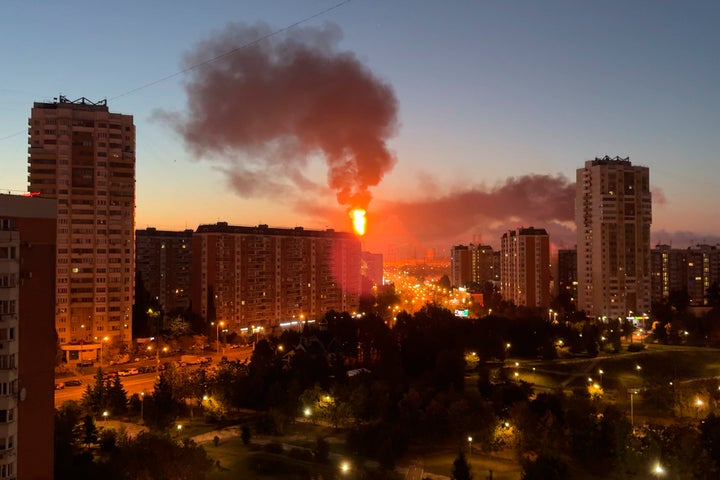
Ukrainian forces deployed more than 1,000 drones toward Russian targets overnight, including a substantial wave directed at Moscow. Officials confirmed that the attack caused damage to the Moscow Oil Refinery and a residential building, with flames and smoke rising from the facility in the city's southeast. Moscow's mayor described the barrage as the largest ever drone attack on the capital. Across the Moscow region, two people were killed—a 74-year-old man and a 44-year-old woman—and at least 20 others were injured, according to regional governor Andrei Vorobyov. Ukrainian President Volodymyr Zelenskyy confirmed the use of domestically produced Flamingo and Pelican missiles and drones, stating the goal was to target oil and logistics infrastructure to apply financial pressure on Russia's war economy.
Why This Matters
The assault unfolded on the final day of Russia's first wartime parliamentary election, a vote widely seen as consolidating Vladimir Putin's grip on power without meaningful opposition. The timing amplified the strike's political weight, as voting also took place in four Ukrainian regions illegally annexed by Moscow and in Crimea. Russia's Defense Ministry reported shooting down 1,110 Ukrainian drones across the country, Crimea, and the Black Sea, while Moscow's mayor said 450 drones were intercepted before reaching the capital. Beyond the immediate casualties and infrastructure damage, the strike highlights how drone warfare has become a central front in the conflict, with both sides leveraging long-range unmanned systems to target economic and symbolic sites deep behind enemy lines.
Key Takeaways
- Over 1,000 Ukrainian drones were launched in a single overnight operation, the vast majority aimed at Russian territory.
- The attack caused tangible damage at Moscow's oil refinery and resulted in two deaths and dozens of injuries in the surrounding region.
- Zelenskyy framed the strike as economic pressure, targeting infrastructure that sustains Russia's war machine.
- Russia's election proceeded despite the assault, with voting also held in occupied Ukrainian territories, underscoring the conflict's integration into domestic politics.
- Both sides are intensifying long-range drone and missile exchanges, signaling a shift toward sustained aerial warfare even as front-line fighting stagnates.
Conclusion
The scale and timing of this drone assault underscore how the war has moved beyond front-line trenches into a persistent battle of aerial strikes targeting infrastructure, morale, and political stability. As both Kyiv and Moscow adapt their tactics, the role of unmanned systems in shaping the conflict's trajectory is likely to grow, with implications for energy supplies, civilian safety, and the broader geopolitical landscape.

Discussion
Join the conversation
Thoughtful reactions, questions, and follow-up ideas help shape the next story.