Introduction
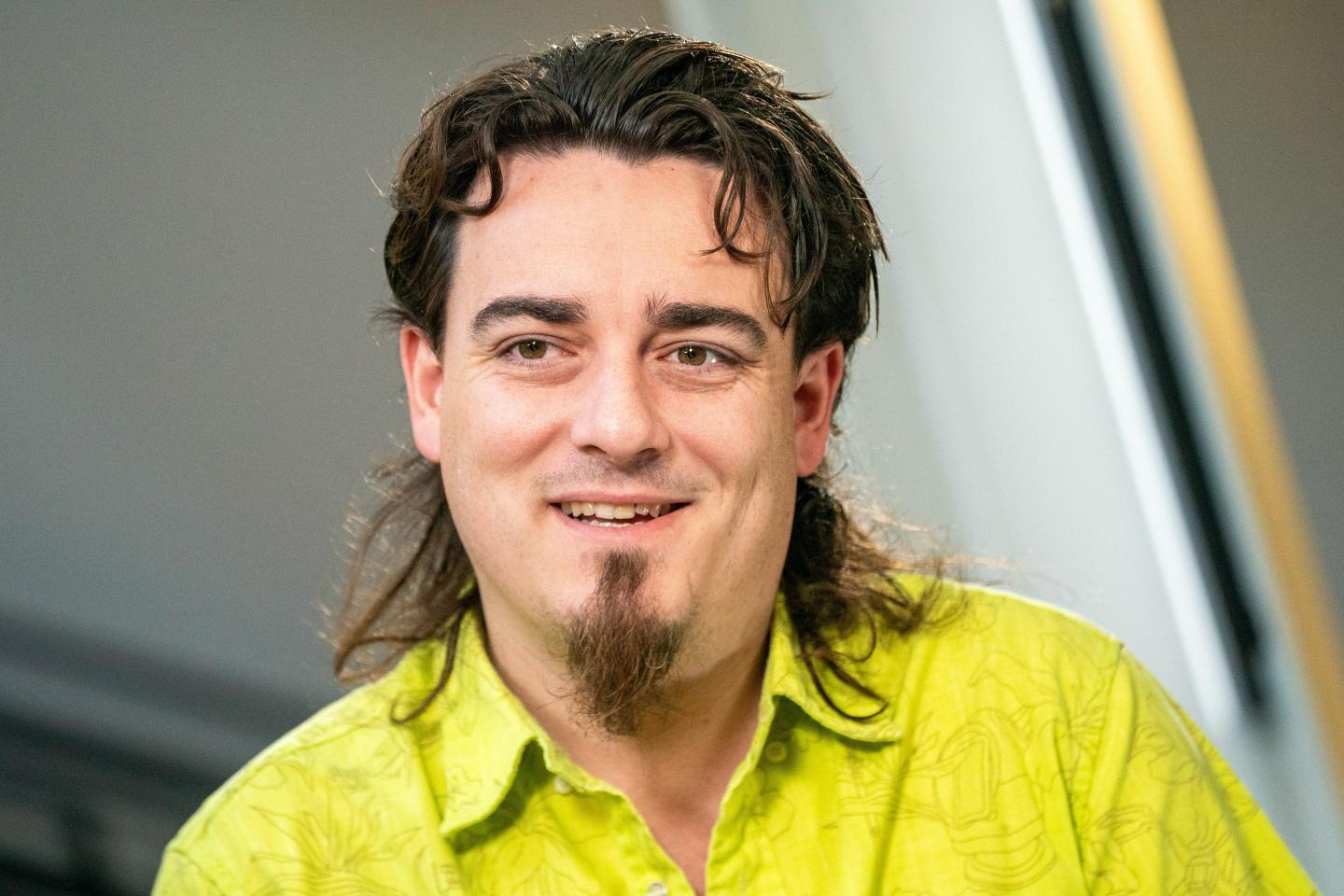
Californias proposed 5% tax on billionaires has triggered a statewide exodus, but tech entrepreneur Palmer Luckey is refusing to join the flight. While peers like Sergey Brin and Eric Schmidt seek tax-friendly havens, Luckey declares he's staying to fight for the state that built his empire.
What Happened
The measure, known as Proposition 40, would impose a one-time 5% levy on residents holding assets above $1 billion, aiming to generate tens of billions for healthcare, education, and food assistance. Since its proposal, a wave of Californias wealthiest has relocated, Google cofounders Larry Page and Brin moved their entities to Florida and Nevada, while Travis Kalanick shifted operations to Austin. Peter Thiel, Mark Zuckerberg, and Palantirs founder have also departed. Yet Luckey, who built Oculus in Irvine and now leads Anduril from Costa Mesa, insists he's not running. He said California is something special and that he wants to fight for the state, emphasizing that his biggest career wins were nurtured in the Golden State.
Why This Matters
Beyond the headlines, the debate raises questions about how states fund public services when top earners control disproportionate wealth. Luckeys stance opposing the bills sponsor but rejecting the idea of abandoning California signals a broader tension between personal financial strategy and civic commitment. Jensen Huang of Nvidia echoed this sentiment, stating he is not afraid of paying taxes and views contributions as a privilege tied to the opportunities the U.S. provided. Their choices may shape future policy battles and influence where the next generation of tech empires take root.
Key Takeaways
- Palmer Luckey will remain in California despite a 5% tax on billionaire assets.
- Proposition 40 targets residents with over $1 billion in wealth, funding healthcare, education, and food assistance.
- High-profile departures include Sergey Brin, Eric Schmidt, and Peter Thiel, while Jensen Huang supports the tax as a privilege.
- Luckey opposes how the bills sponsor wants to use the funds but stays committed to Californias long-term potential.
- The vote outcome could set a precedent for how states tax extreme wealth and where tech hubs thrive.
Conclusion
As California voters decide Proposition 40s fate, Luckeys decision highlights a split among the ultra-rich. Whether staying or leaving becomes the new norm, the conversation around wealth, taxation, and state loyalty is far from over.







Discussion
Join the conversation
Thoughtful reactions, questions, and follow-up ideas help shape the next story.